Multi-Spore vs. Isolate: Choosing Your Genetics Strategy
Everything you need to know about Multi-Spore vs. Isolate: Choosing Your Genetics Strategy — from materials to first harvest.
What You'll Need
- See full supply list in guide below.
Find grow supplies at vendors in our Directory.
Step-by-Step Process
Multi-Spore vs. Isolate: Choosing Your Genetics Strategy
One of the early decisions every cultivator faces: work with multi-spore inoculant (spore syringes or spore prints), or invest the additional effort in isolation to work with single-organism cultures? The answer depends on your goals, equipment, and how seriously you want to push performance.
What the Difference Actually Is
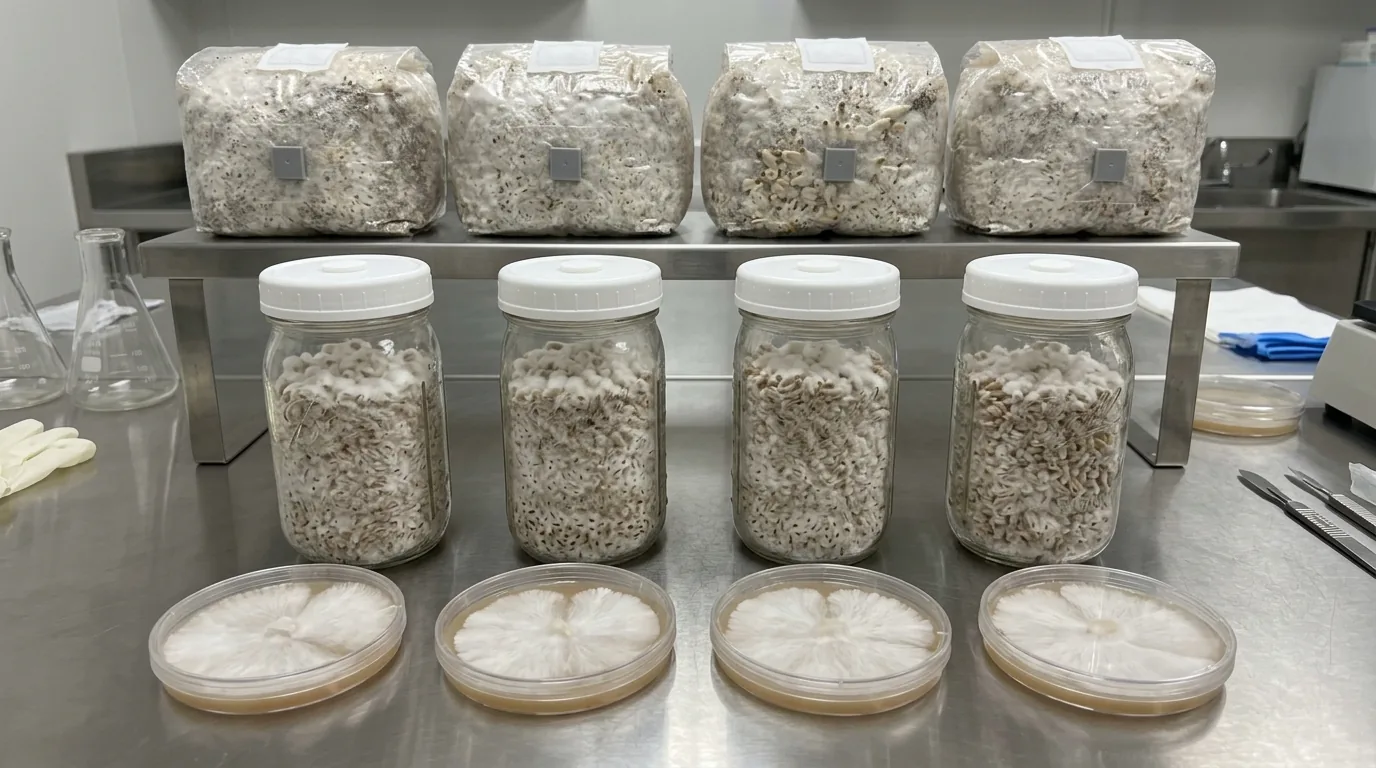
Multi-Spore
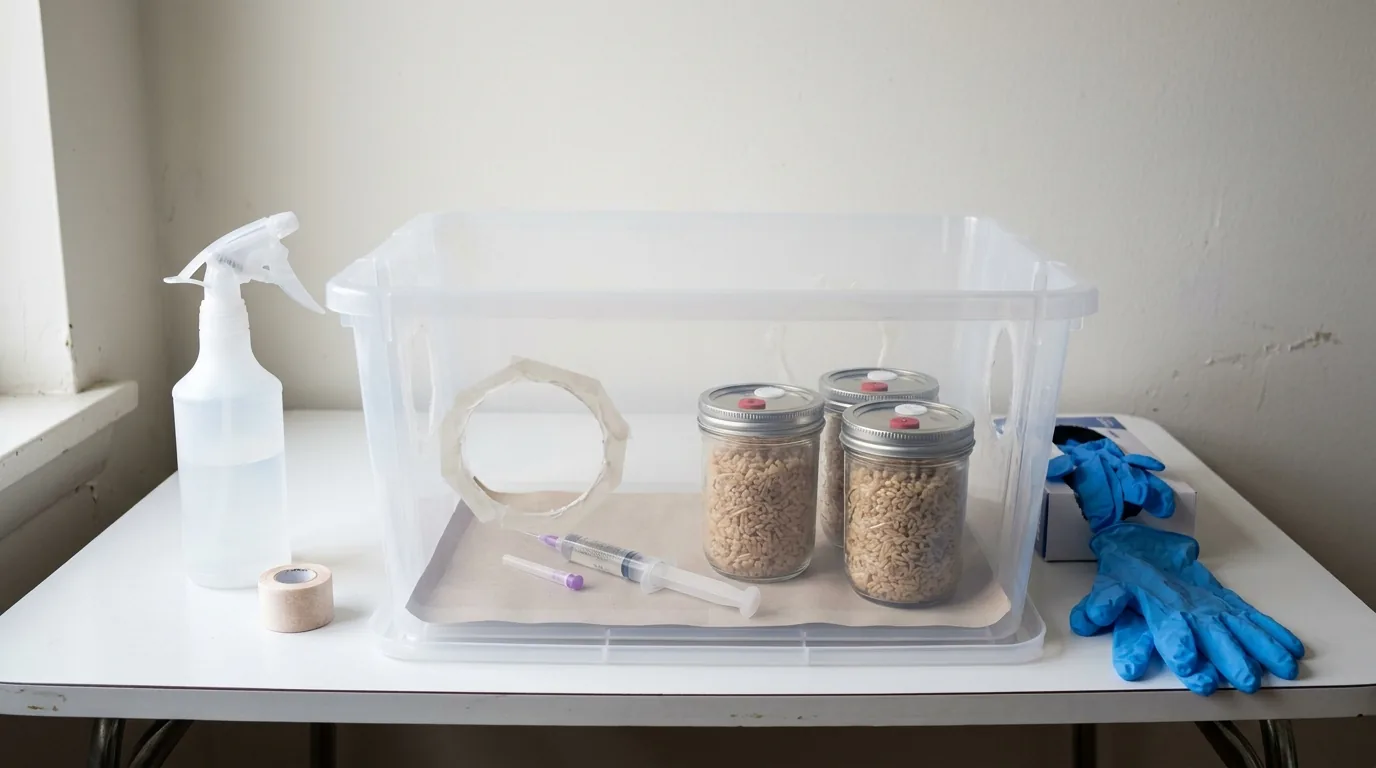
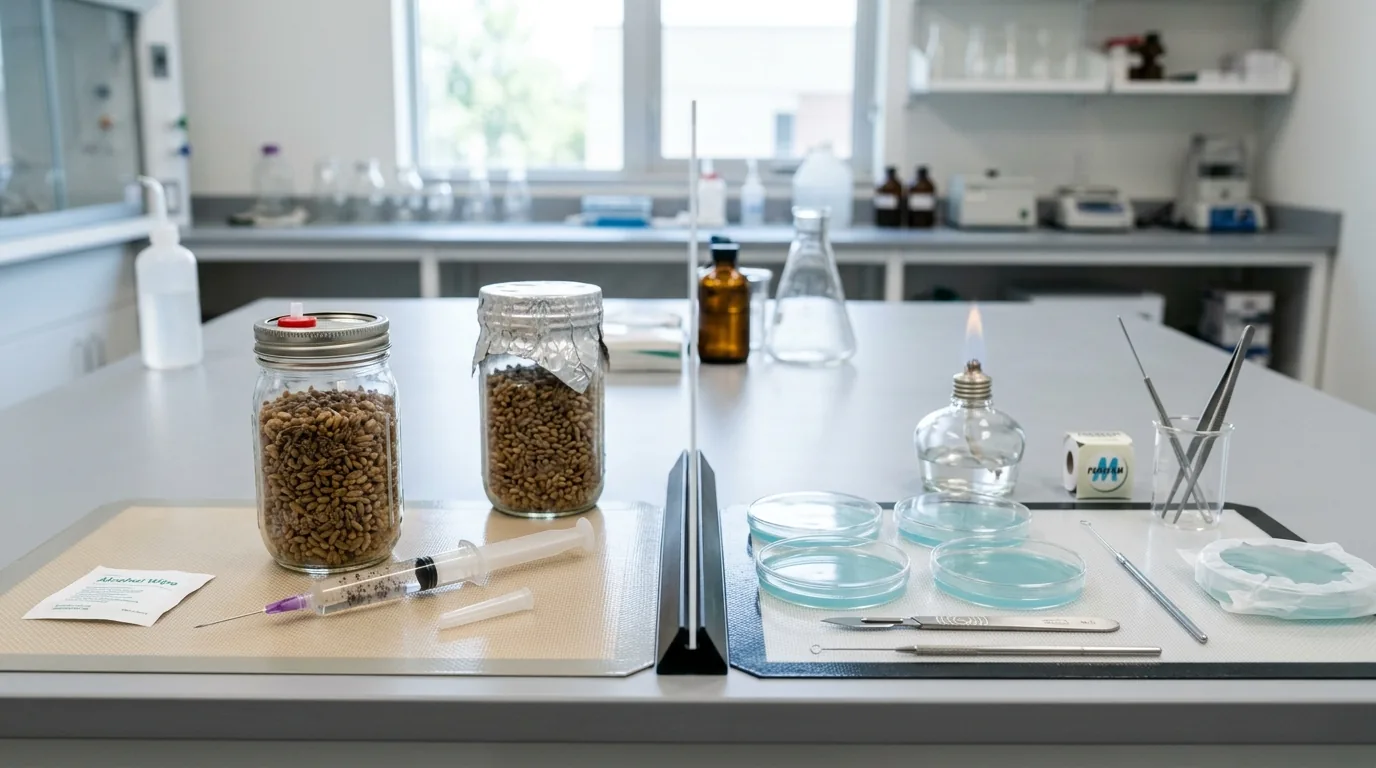
A spore syringe or spore print contains hundreds of thousands to millions of spores from a single fruiting body. Each spore is haploid — it carries half the genetic information of the parent. When two compatible spores germinate and fuse, they form a unique diploid individual.
This means a multi-spore culture is not a single organism but a community of genetically distinct individuals. They're all of the same species and strain, but they're not genetically identical. This genetic diversity is what you're working with when you use a spore syringe.
Isolate (Monoculture)
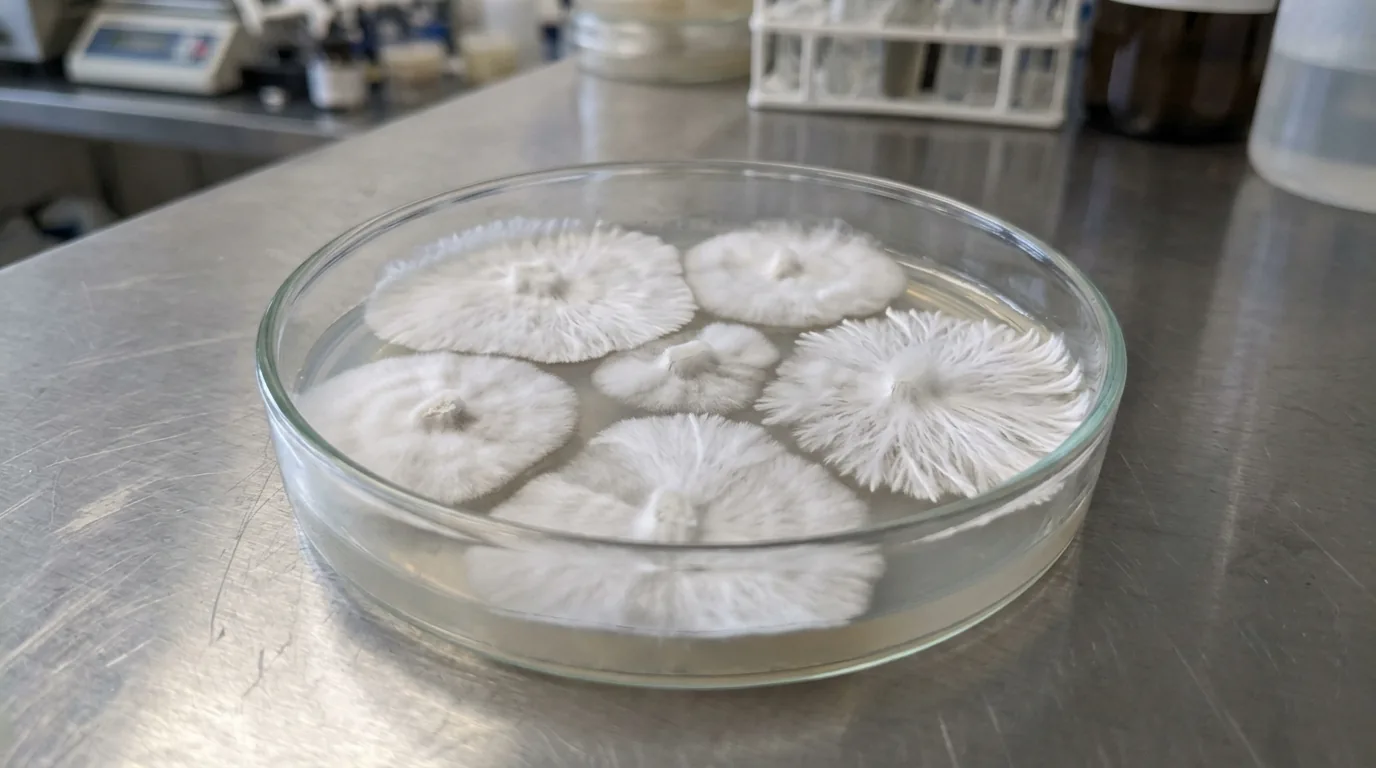
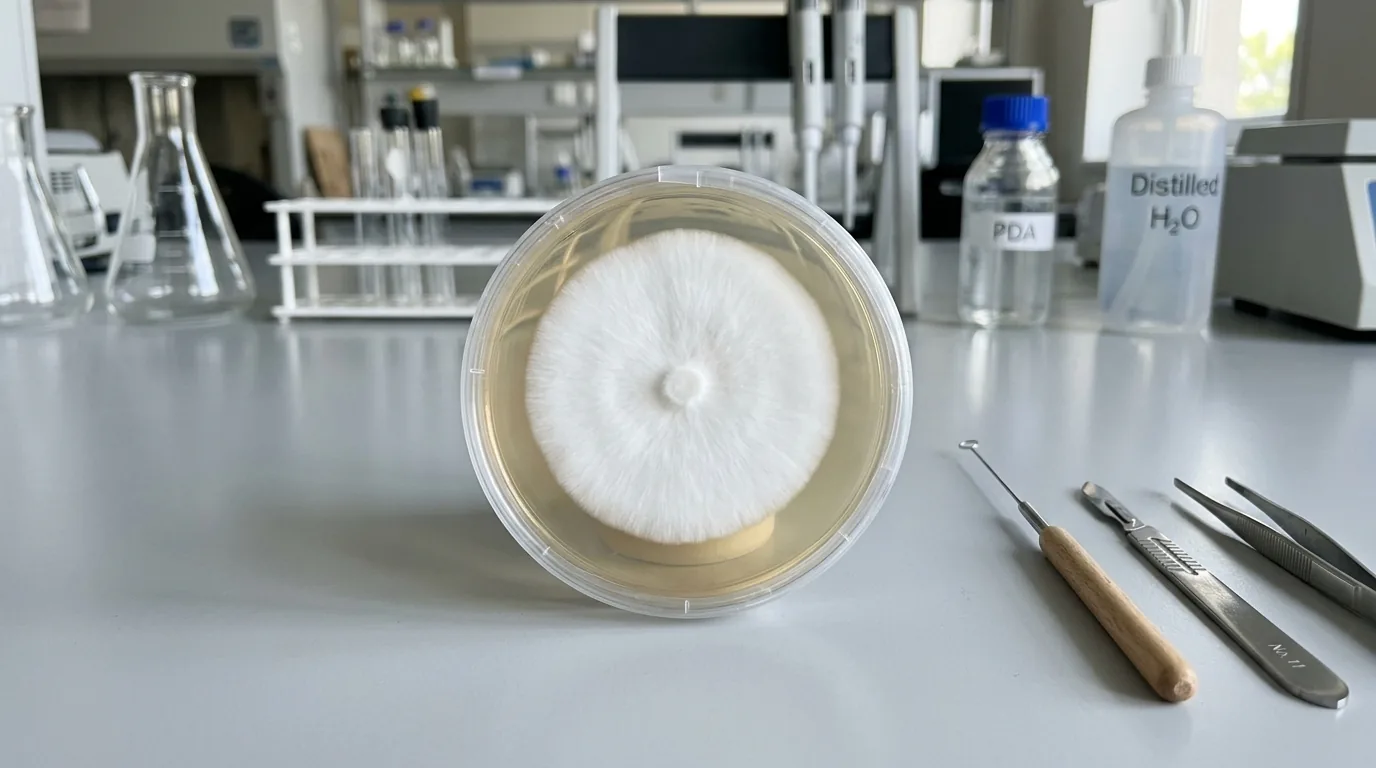
An isolate is a single, genetically uniform organism — a culture derived from a single mycelial fragment or a single spore crossing. When you clone a fruiting body by taking a tissue sample and growing it on agar, the resulting culture is a monoculture: every cell contains the same genetic material.
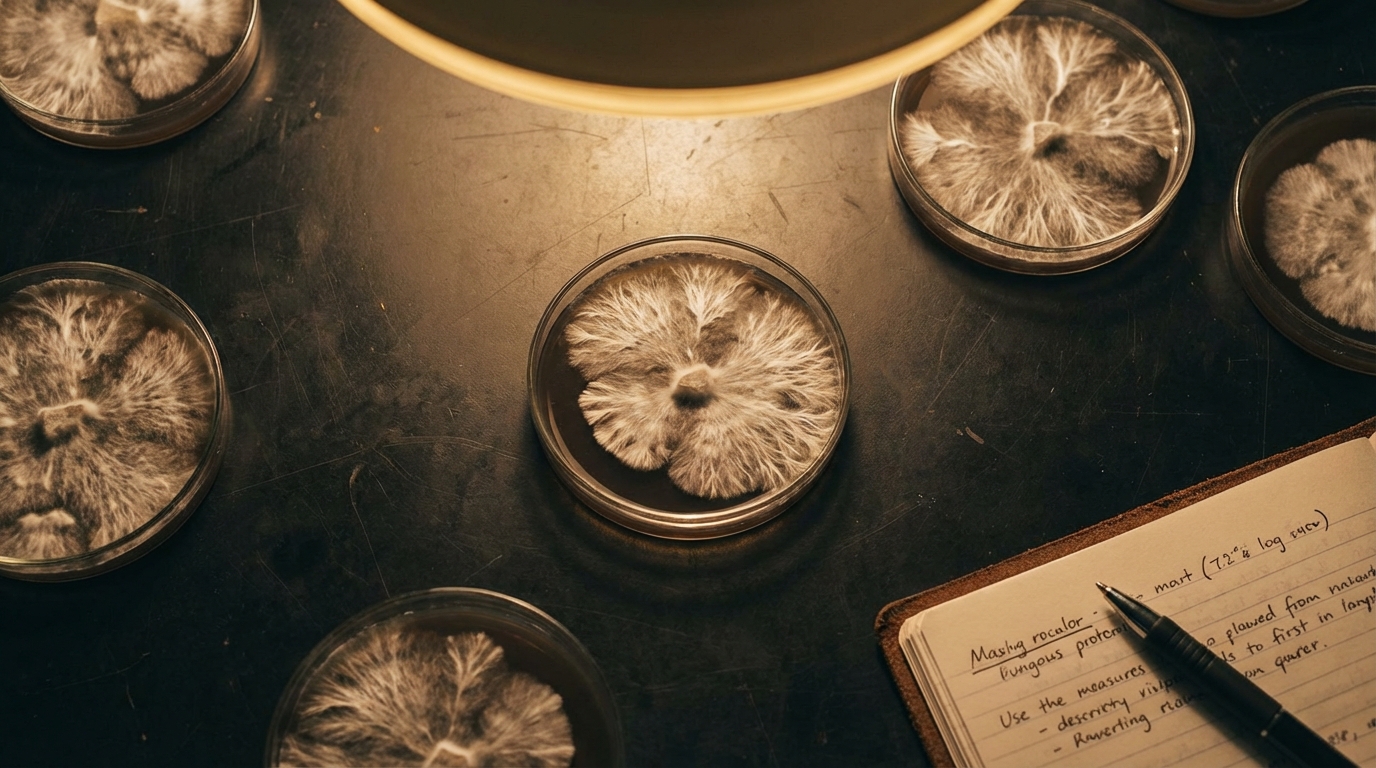
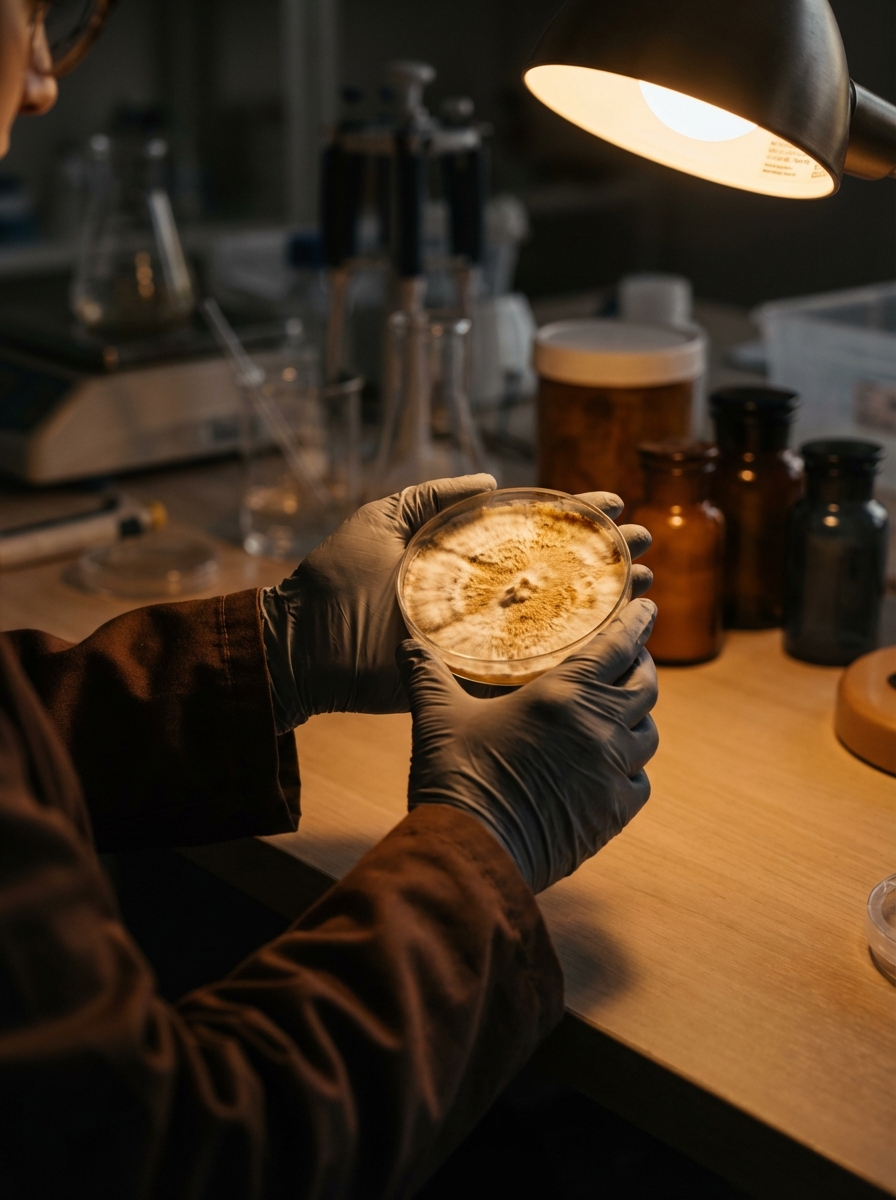
Isolates can also be derived from multi-spore cultures through a process of selection and sectoring on agar — observing which sectors of a multi-spore culture grow fastest or most vigorously, cutting those sectors, transferring them to new agar plates, and repeating until a consistent, uniform culture emerges.
Multi-Spore: Pros and Cons
Advantages
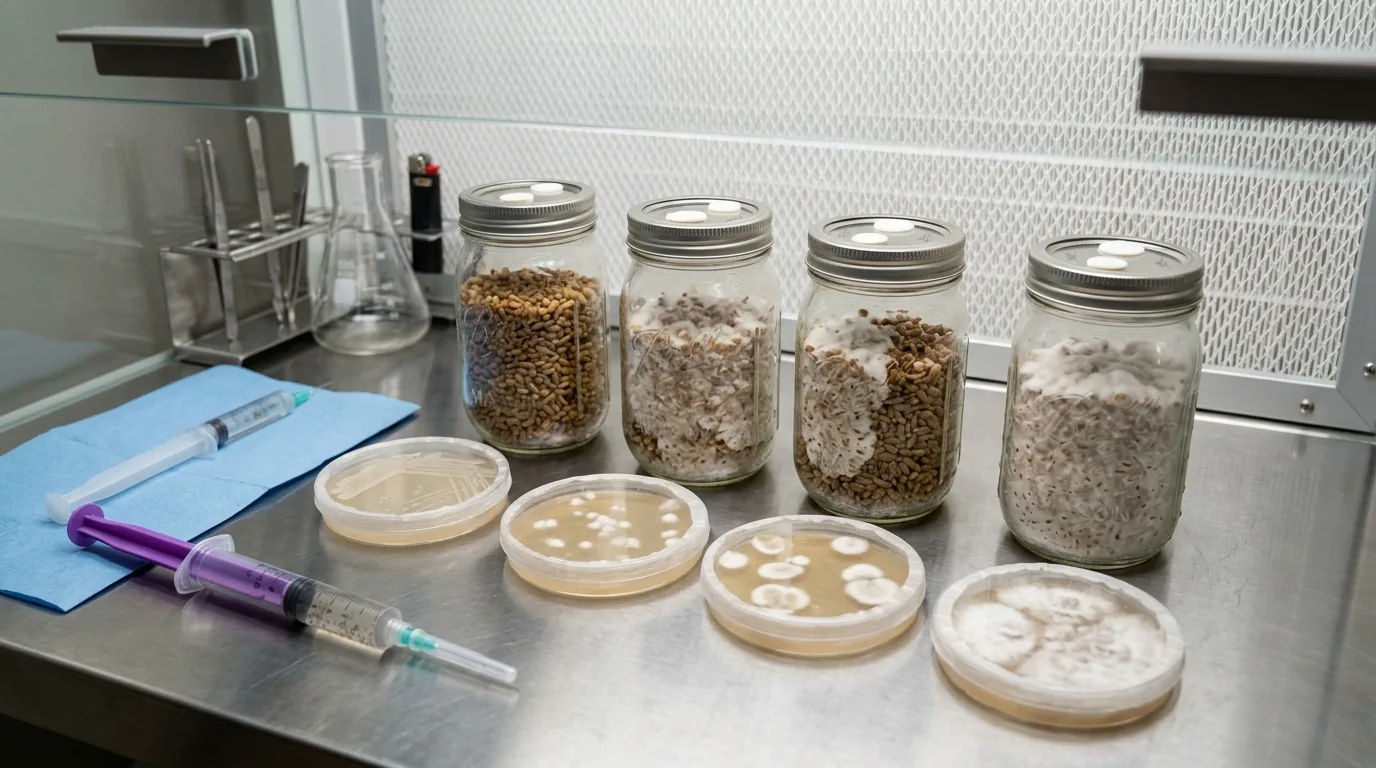
Accessible: Spore syringes are widely available, inexpensive, and require no agar work to use.
Genetic diversity: The variability in a multi-spore population can be advantageous. If one genotype in your culture is vulnerable to a particular contaminant or environmental stress, others may not be. There's resilience in diversity.
Normal starting point: Almost all cultivators start with multi-spore inoculant. It works.
Disadvantages
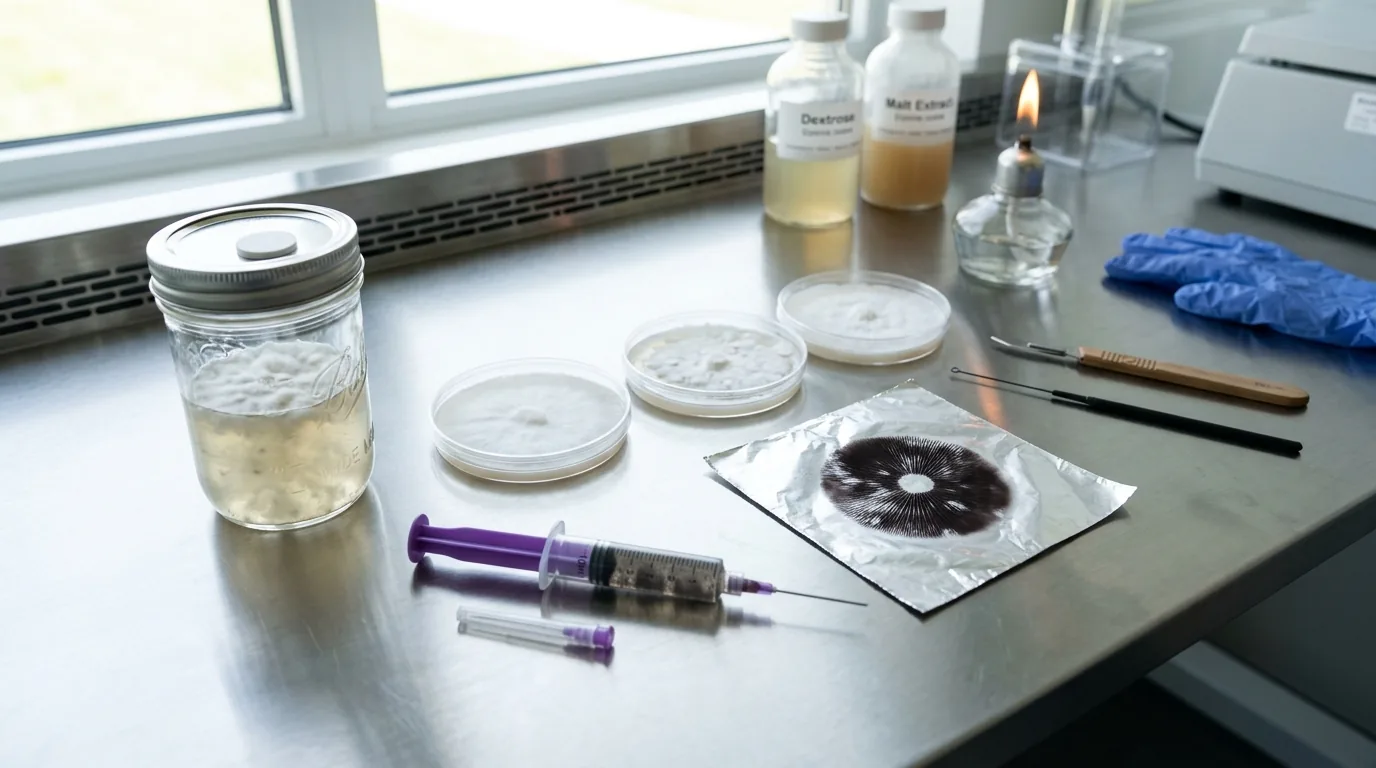
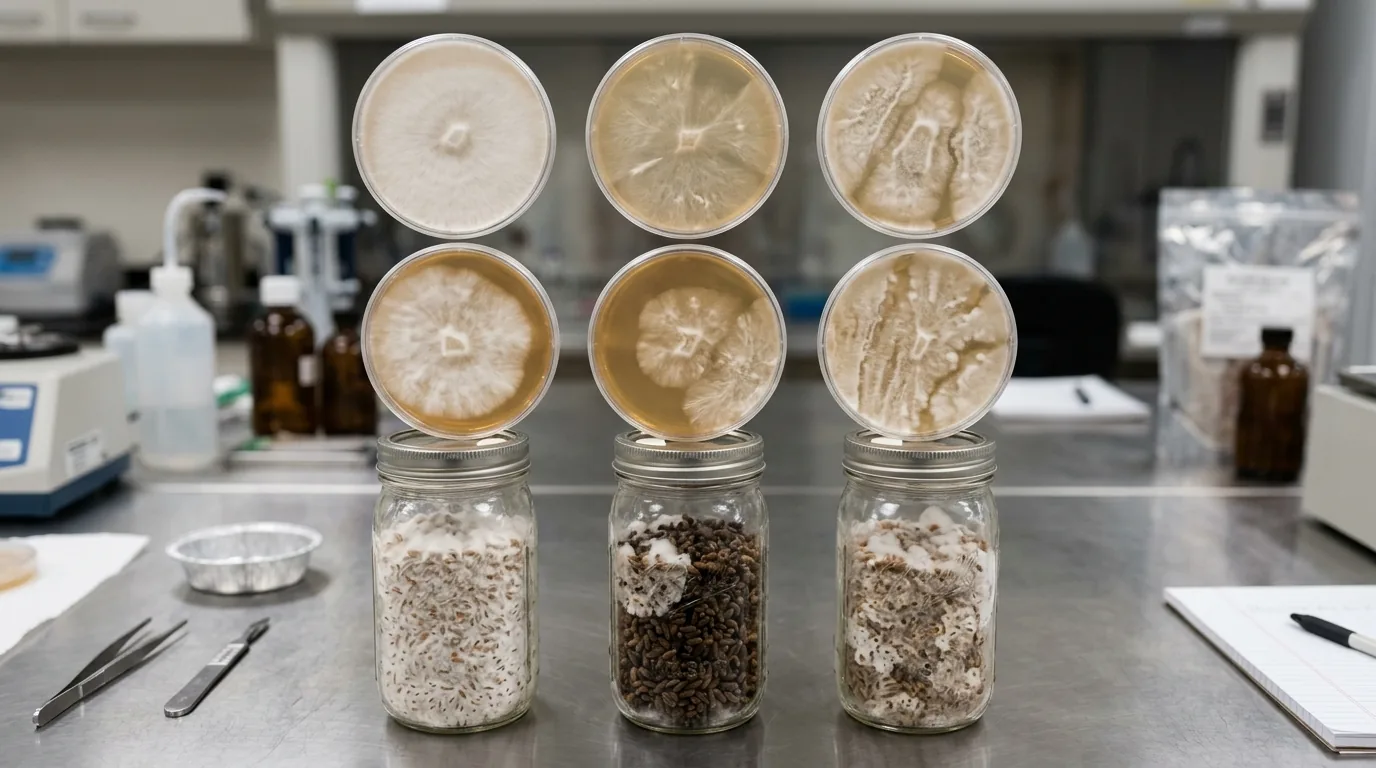
Inconsistency: Different genotypes in a multi-spore culture perform differently. One run might produce large fruits; another might produce small and stunted ones. You can't predict or replicate specific outcomes.
Slower colonization in some cases: Competition between different organisms in a multi-spore culture can result in slower, less uniform colonization compared to a vigorous isolated culture.
Sectoring on agar: Multi-spore cultures on agar are visually complex — many different growth patterns competing for space. Isolating from this requires additional work.
Can't replicate a specific grow: If you have an exceptional flush, you cannot guarantee the same genetics produce the same results next time.
Isolates: Pros and Cons
Advantages
Consistency and repeatability: An isolate is the same organism every time you work with it. If you find a high-performing genetics combination, you can replicate it reliably.
Optimized performance: Through selection, cultivators can identify the fastest-colonizing, heaviest-fruiting, highest-potency isolates within a strain population and work exclusively with those genetics.
Cleaner agar cultures: A monoculture on agar shows consistent growth patterns — easier to identify contamination and maintain long-term.
Transferable: A high-performing isolate can be archived and shared. The named isolates available in the cultivation community (TAT, Jedi Mind Fuck isolate, various community-selected lines) are valued because their performance has been tested and confirmed.
Disadvantages
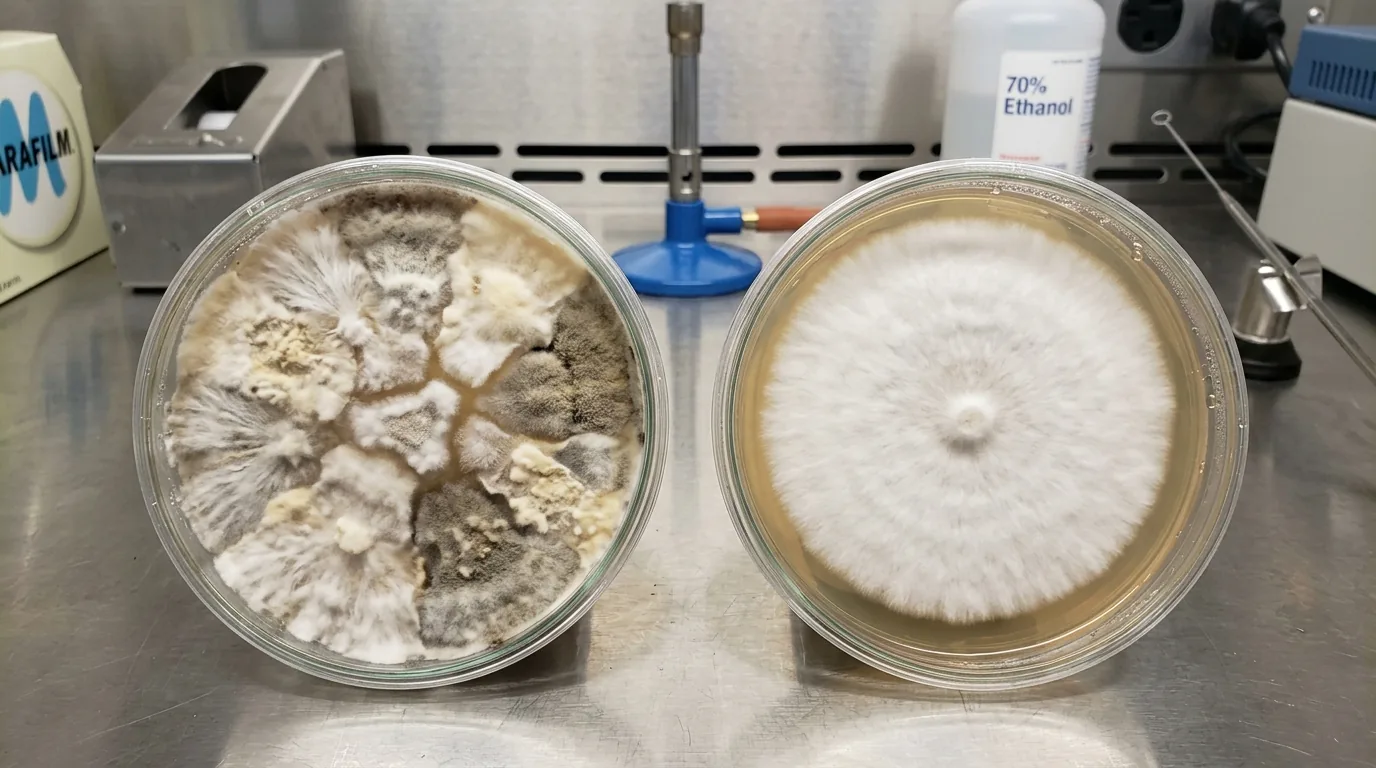
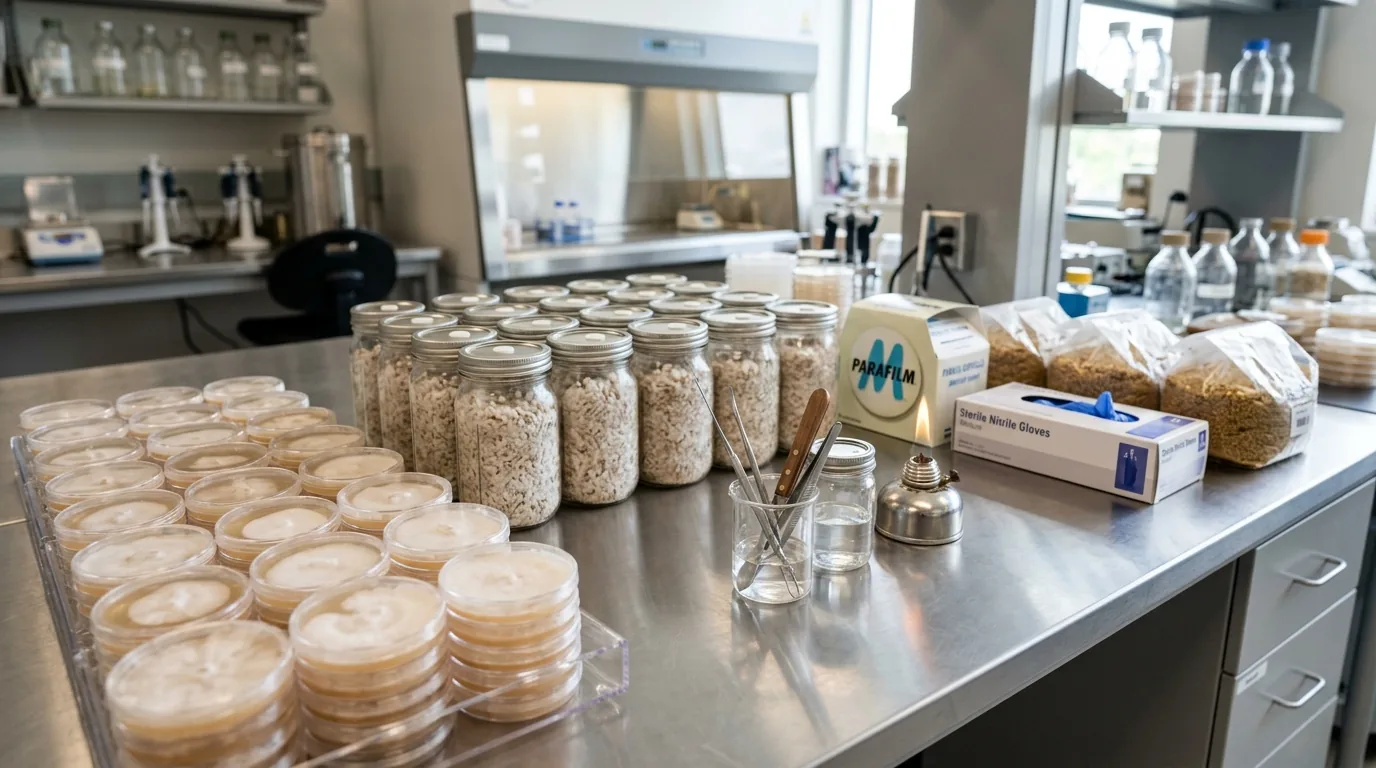
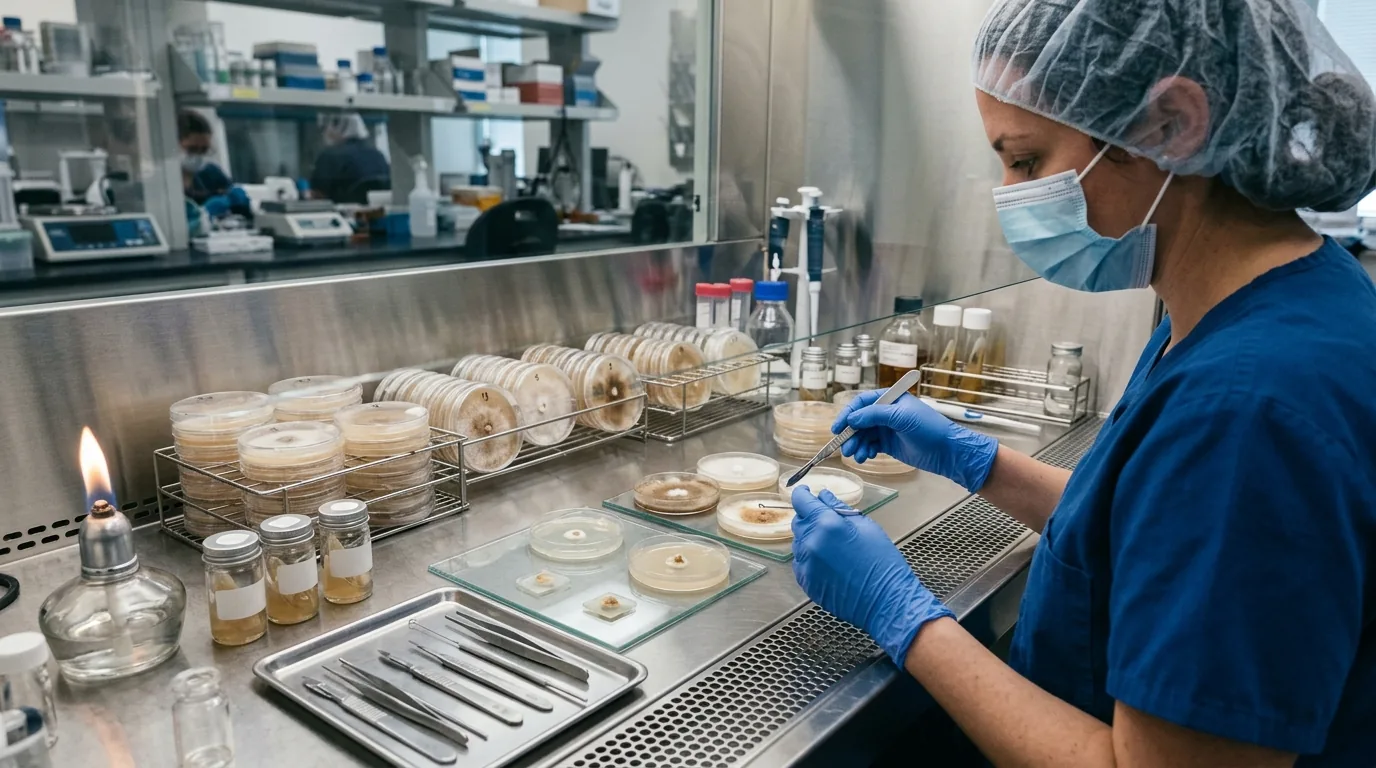
Requires agar work: Isolation requires working with agar plates, a flow hood or skilled still air box technique, and the patience to cycle through multiple generations of selection.
Risk of senescence: Some isolates degrade over many generations of transfer. A monoculture has no way to recover lost genetics through recombination the way a multi-spore population can.
False selection: Not all apparent high-performance is real. Fast rhizomorphic growth on agar doesn't always translate to fast fruiting or high yield. Selection without testing can produce cultures that look impressive but underperform in practice.
More work: Maintaining an agar library, making regular transfers, running selection — this is significantly more work than using a spore syringe.
The Practical Decision
Stay with Multi-Spore If:
- You're in your first 1-2 years of cultivation
- You don't have a still air box or flow hood
- You're growing for personal use and consistency isn't critical
- You want simplicity
- You're exploring different strains and not yet committed to one
Move to Isolation When:
- You've found a strain or specific grow result you want to replicate
- You want to push yield or potency systematically
- You have agar skills or want to develop them
- You're planning scale-up (multiple monotubs or bags per run)
- You want to create an archived genetics library
The Isolation Process (Overview)
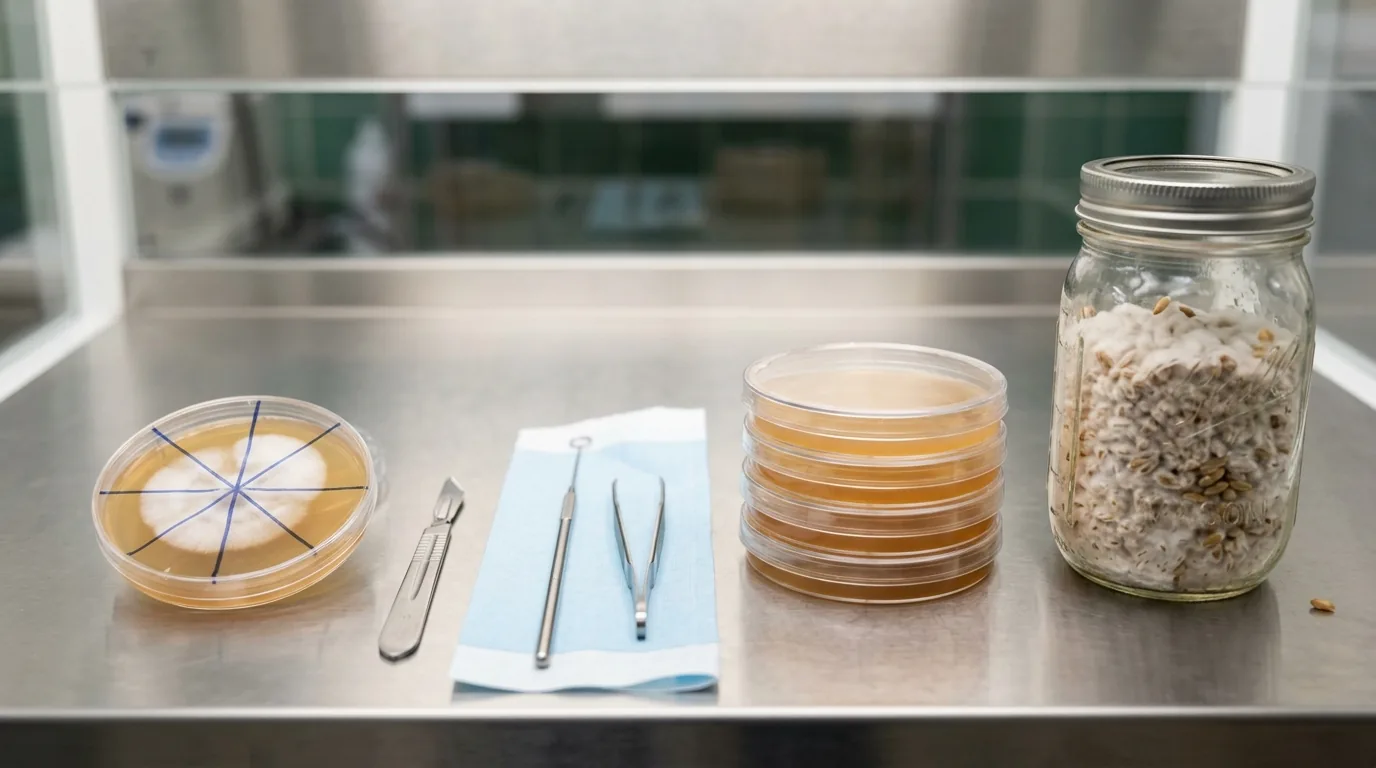
For those ready to move to isolation:
- Spawn run agar plates from spore syringe: Allow multi-spore culture to develop on agar. Watch for distinct sectors with different growth patterns.
- Select vigorous sectors: Look for sectors that colonize fastest and show the most rhizomorphic growth (rope-like, network-forming hyphae — generally associated with strong colonization).
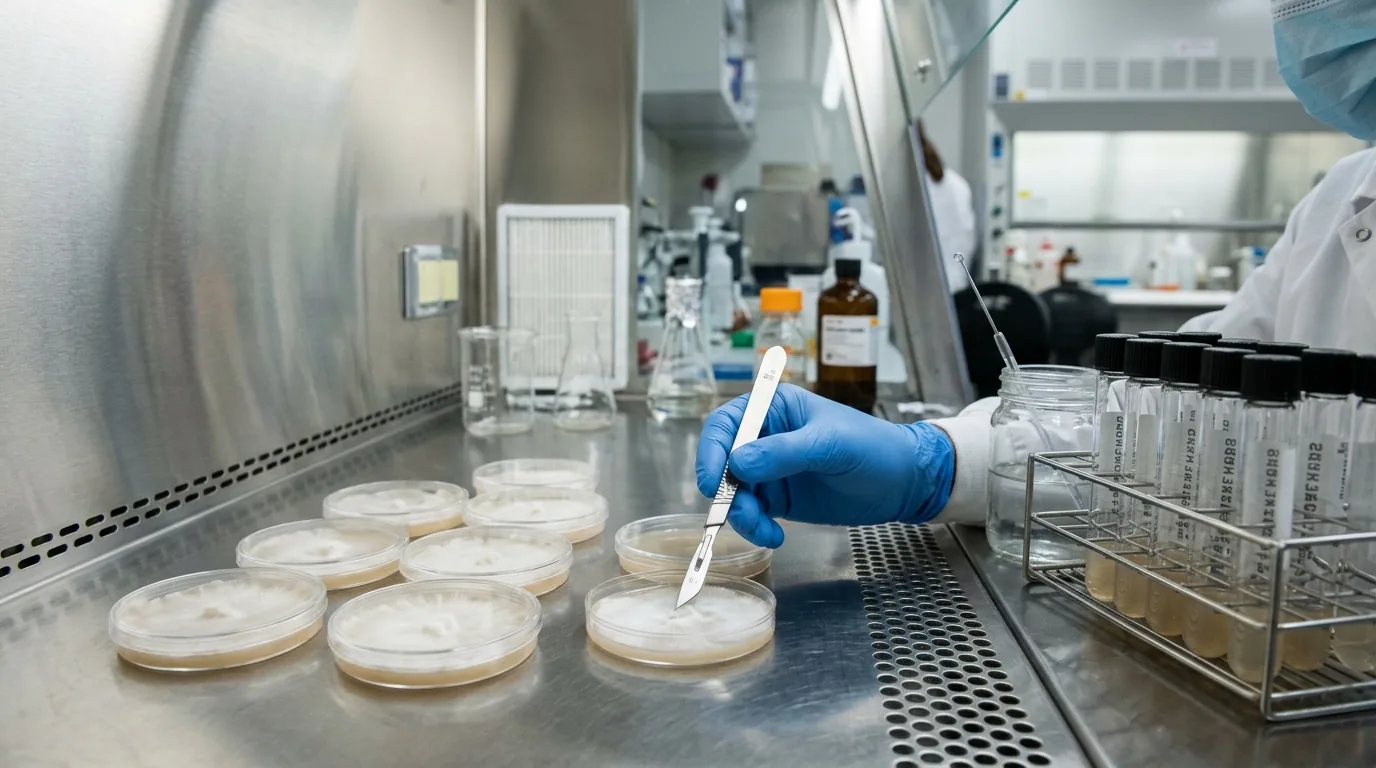
- Cut and transfer: Use a sterile scalpel to cut small pieces (2-4mm) from the selected sector edge and transfer to fresh agar plates.
- Assess and continue: New plates will show more uniform growth. Repeat selection if still multiple growth patterns present; stop when culture is visually consistent.
- Test-fruit: The true test of an isolate is fruiting performance. Inoculate grain with your isolate, transfer to bulk substrate, and observe actual yields and morphology.
- Archive: Once you have a confirmed high-performing isolate, make multiple long-term agar slants or agar wedges and refrigerate as a master stock.
Named Isolates vs. Selecting Your Own
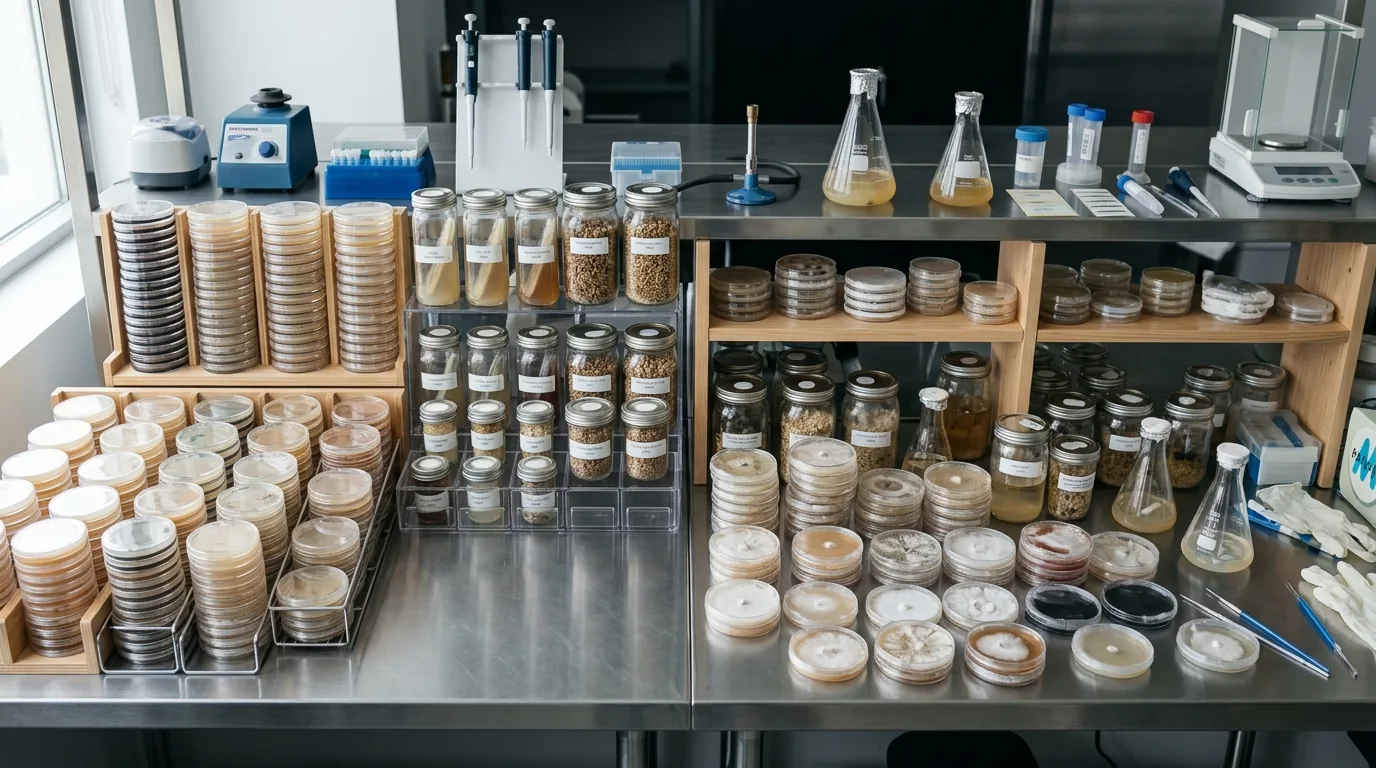
The cultivation community maintains libraries of named isolates — genetics that have been tested, selected, and distributed. Working with established isolates has advantages:
- Known performance benchmarks
- Community feedback on behavior
- Tested stability
Growing your own isolates from spore syringes has different advantages:
- The possibility of discovering exceptional genetic combinations
- Complete ownership of the genetics
- The reward of selecting and developing your own line
Both approaches are valid. Many experienced cultivators maintain a mix: trusted named isolates for production runs, and experimental selection projects to develop new lines.
Common Problems & Troubleshooting
See the Contamination Guide for common issues.
Tips for Success
Take notes at every stage. Consistency beats perfection.