Colonization Troubleshooting: Common Problems and Solutions
Everything you need to know about Colonization Troubleshooting: Common Problems and Solutions — from materials to first harvest.
What You'll Need
- See full supply list in guide below.
Find grow supplies at vendors in our Directory.
Step-by-Step Process
Colonization Troubleshooting: Common Problems and Solutions
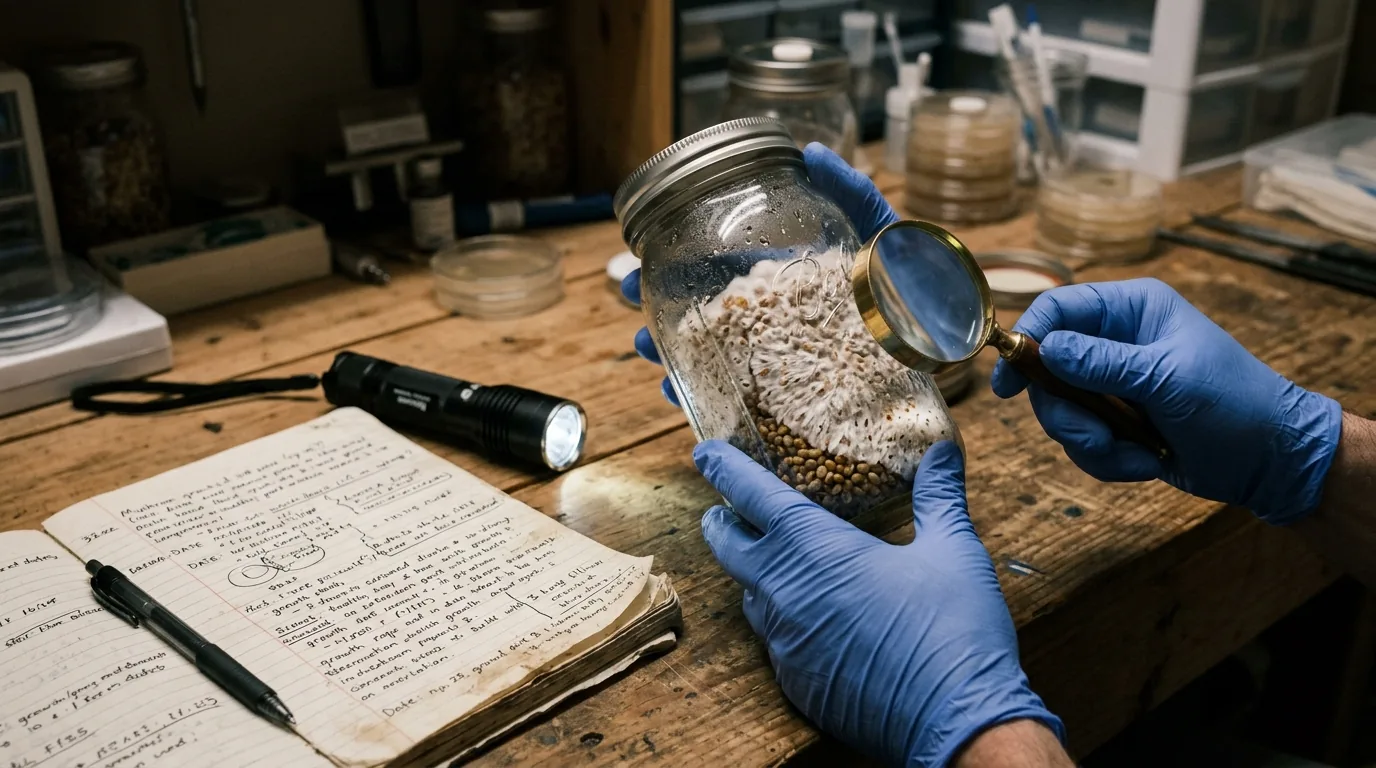
Colonization — the period between inoculation and full mycelium coverage of the substrate — is when the majority of cultivation failures occur. Understanding what healthy colonization looks like, how to distinguish it from contamination, and how to address common problems before they end a grow is the single most useful skill a home cultivator can develop.
What Healthy Colonization Looks Like
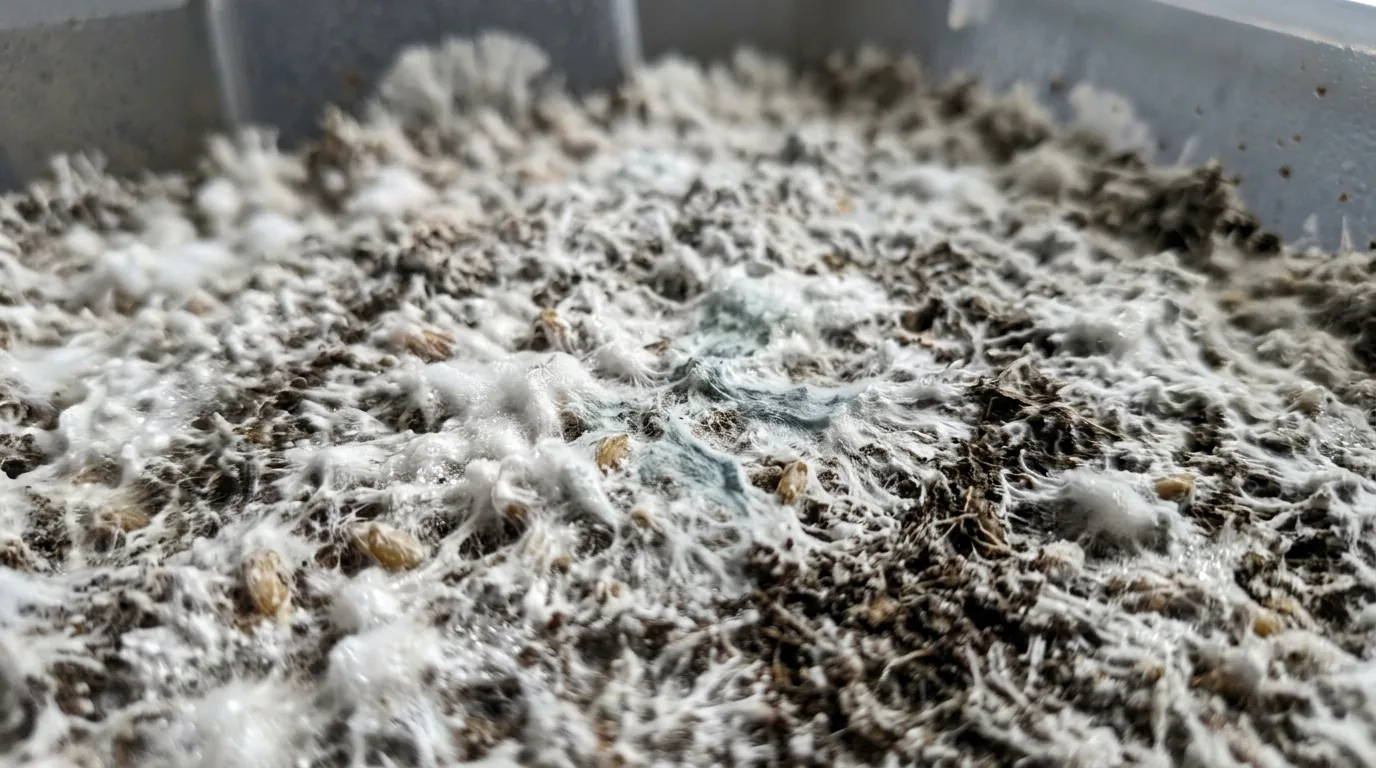
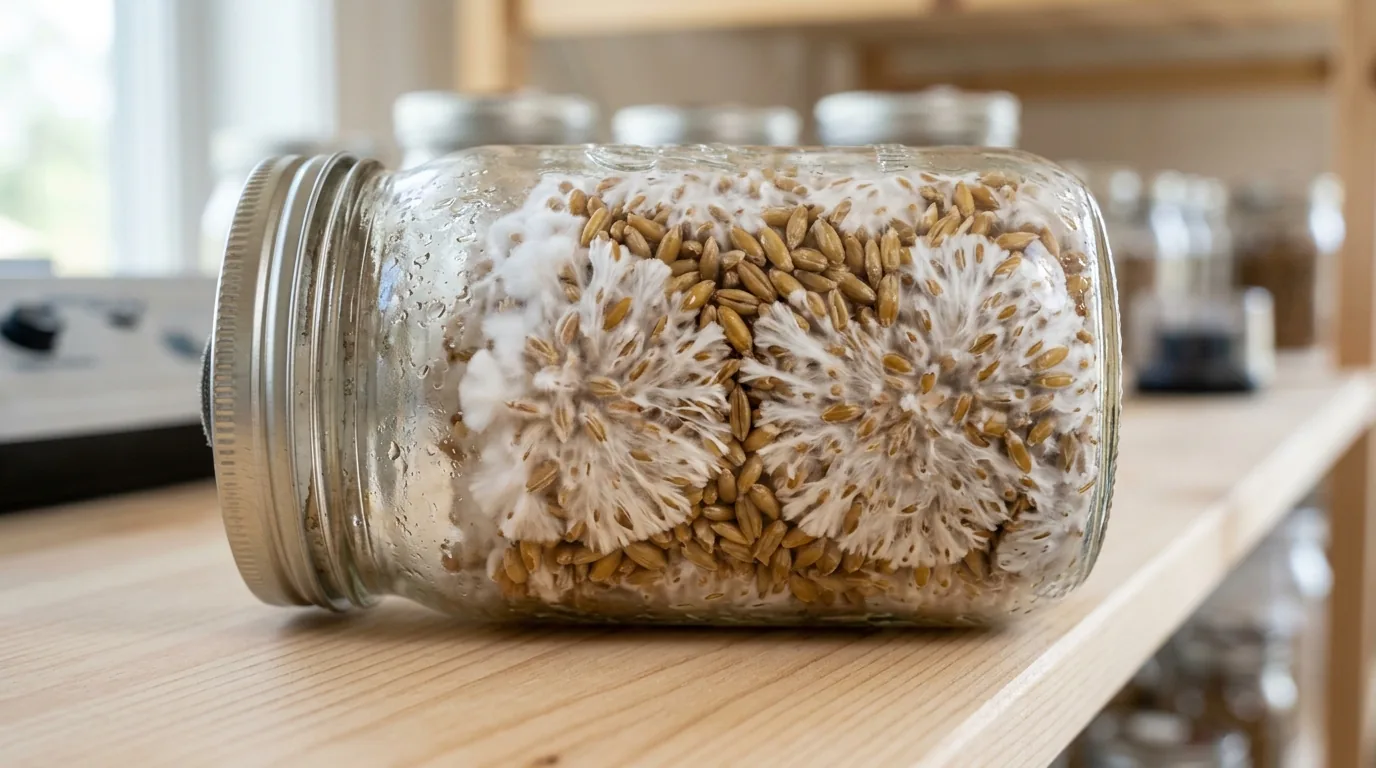
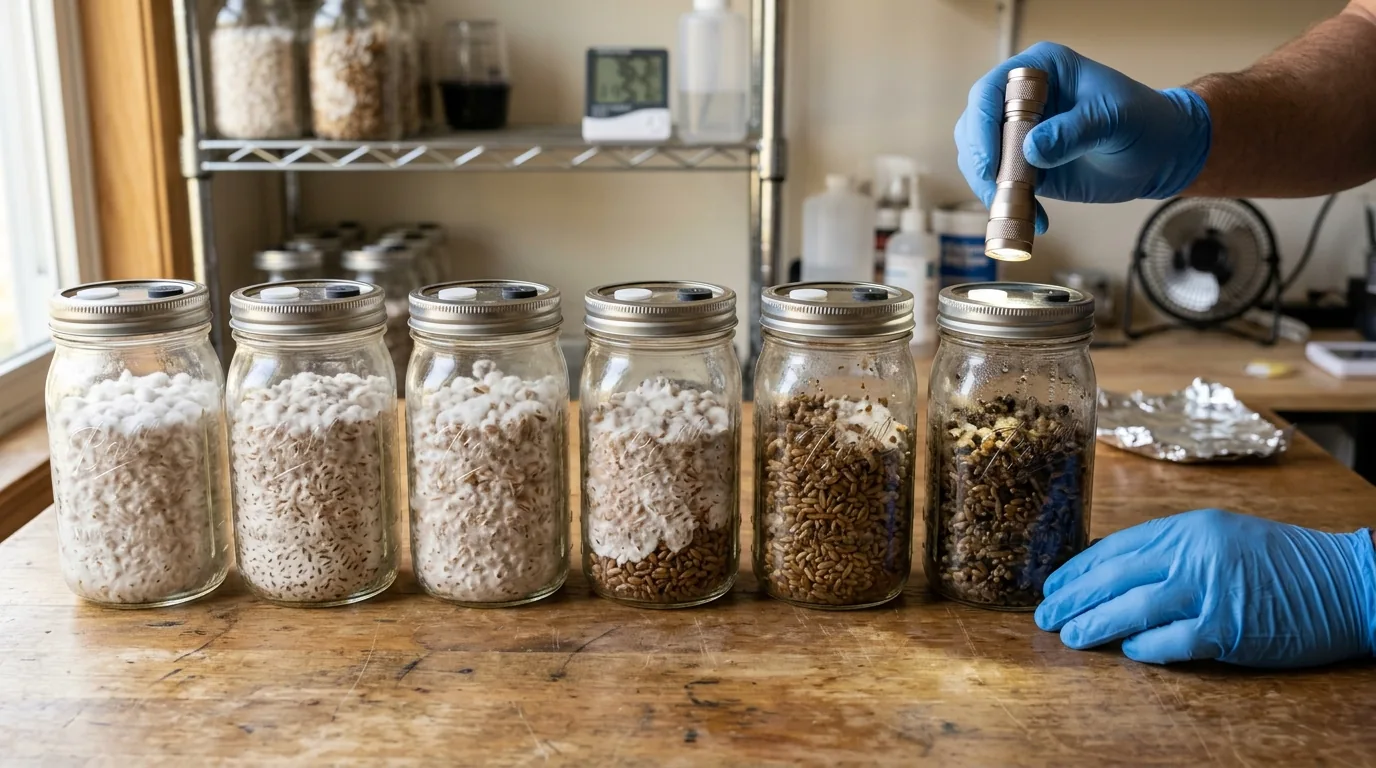
Healthy Psilocybe cubensis mycelium during grain colonization:
- Color: Bright white to off-white
- Texture: Fluffy, cotton-like, rope-like (rhizomorphic), or a combination
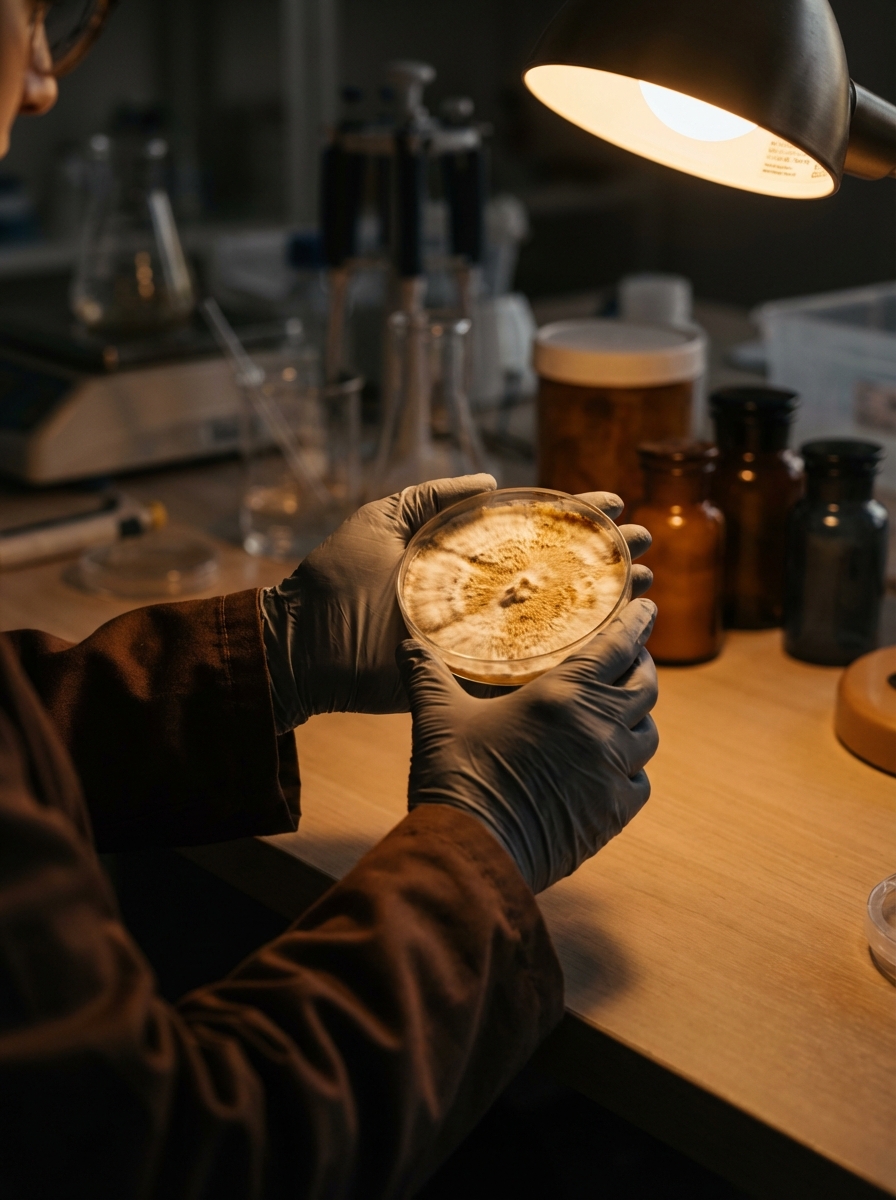
- Pattern: Spreading outward from inoculation points in expanding circles or webs
- Speed: Visible progress every 1-3 days at optimal temperature; 75-80°F (24-27°C) is ideal
Healthy mycelium has a pleasant, earthy, mushroom-like smell — never foul, sour, or chemical.
The Core Challenge: Mycelium vs. Contamination
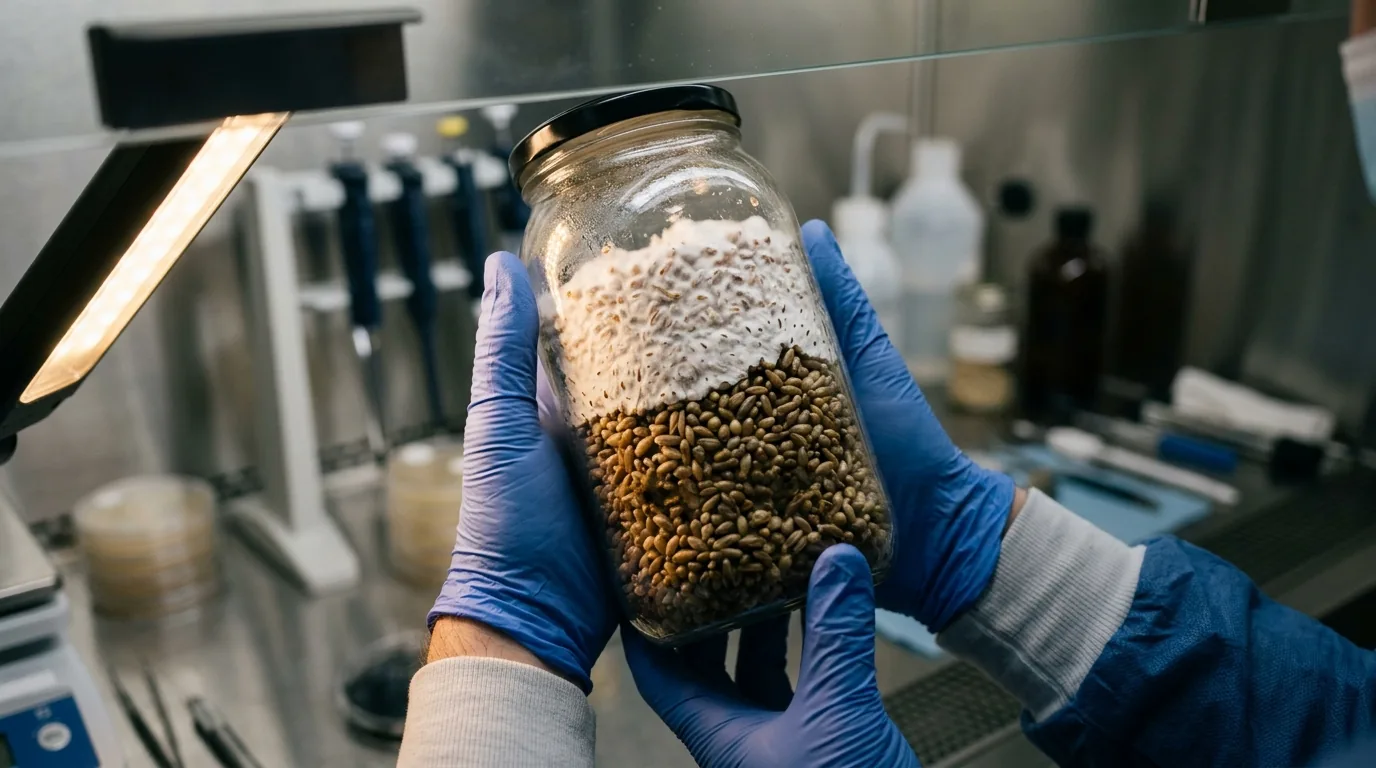
The most critical troubleshooting skill is reliably distinguishing healthy mycelium from contamination. Getting this wrong in either direction is costly: treating healthy mycelium as contamination wastes a good grow; keeping contaminated substrate in your grow space risks spreading contamination to everything nearby.
Key Identification Principles
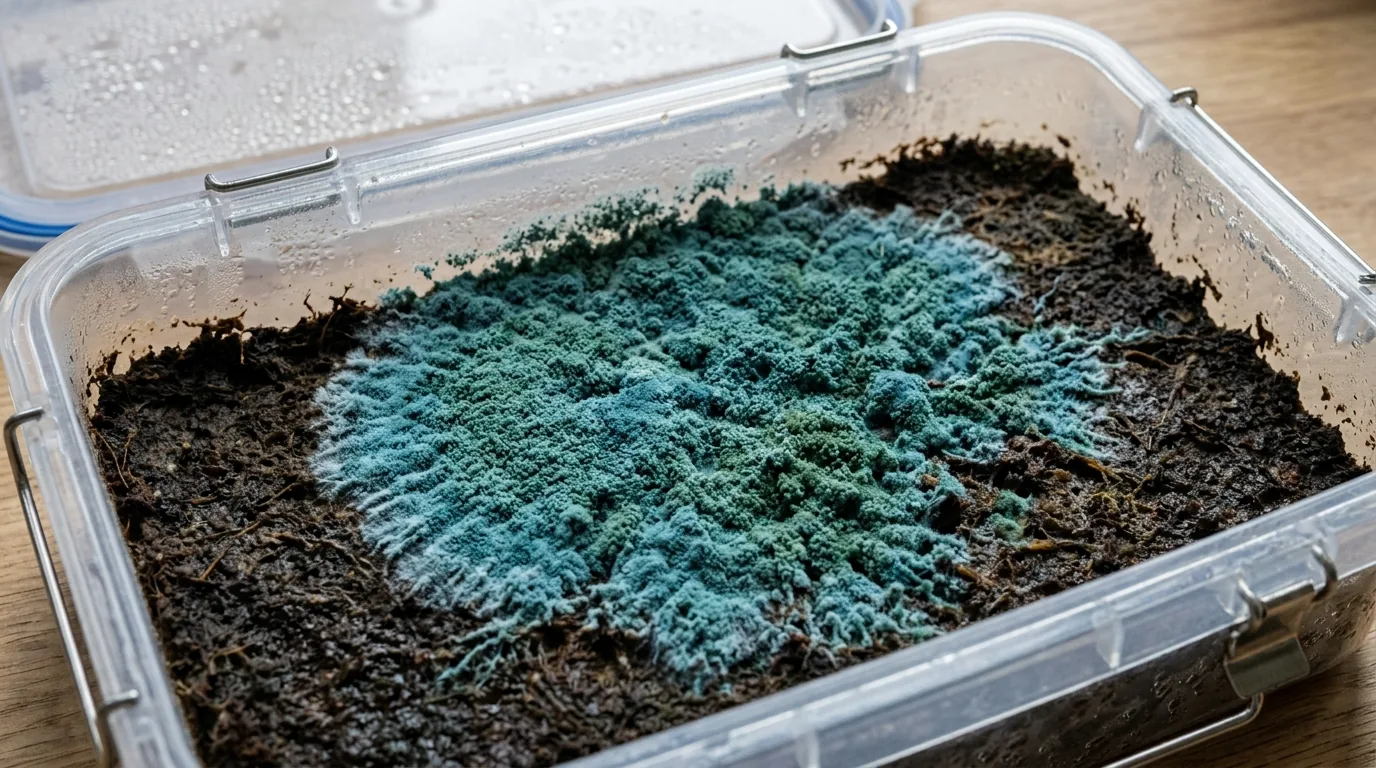
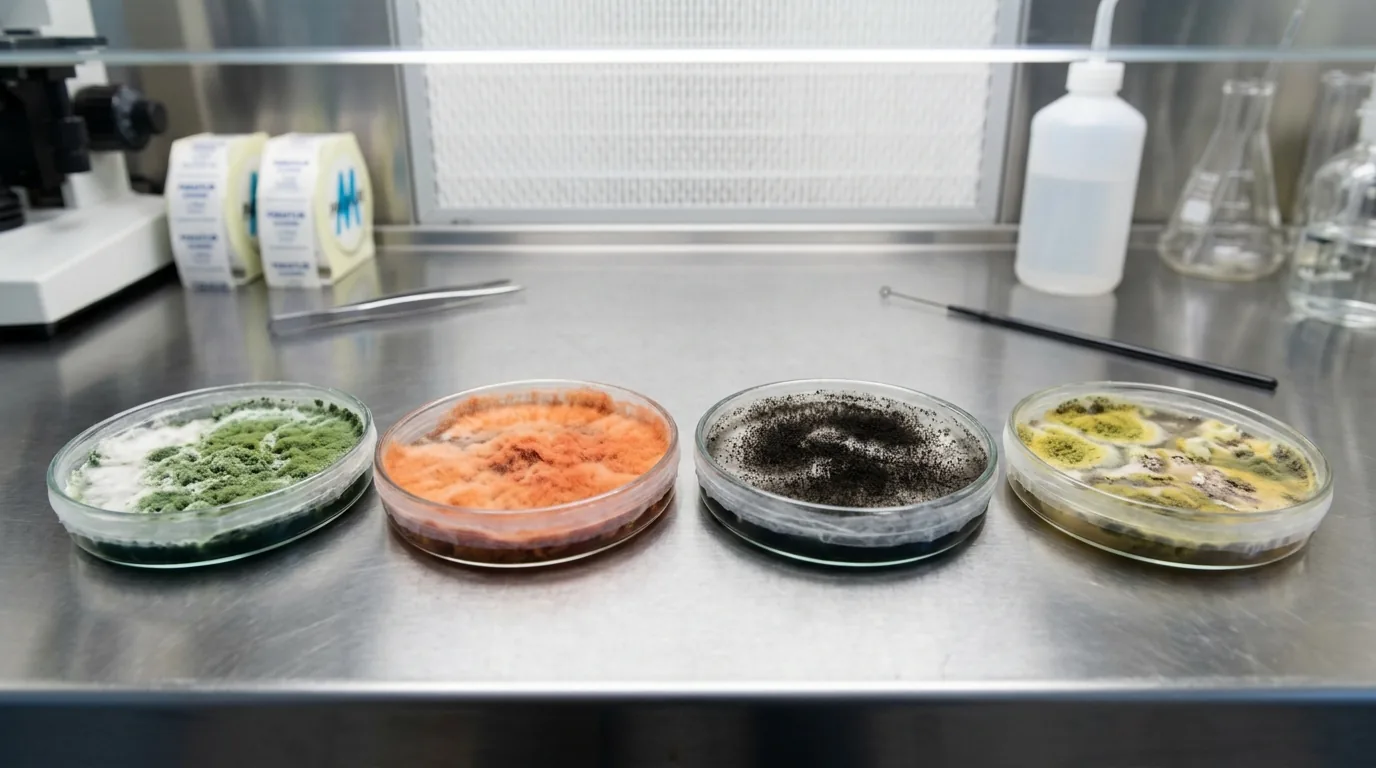
Color is the primary indicator:
- White or bright white: Almost always healthy mycelium
- Blue-green tint: May be Trichoderma (green mold) in early stages; look carefully with good lighting
- Green, black, or dark colored patches: Contamination (mold)
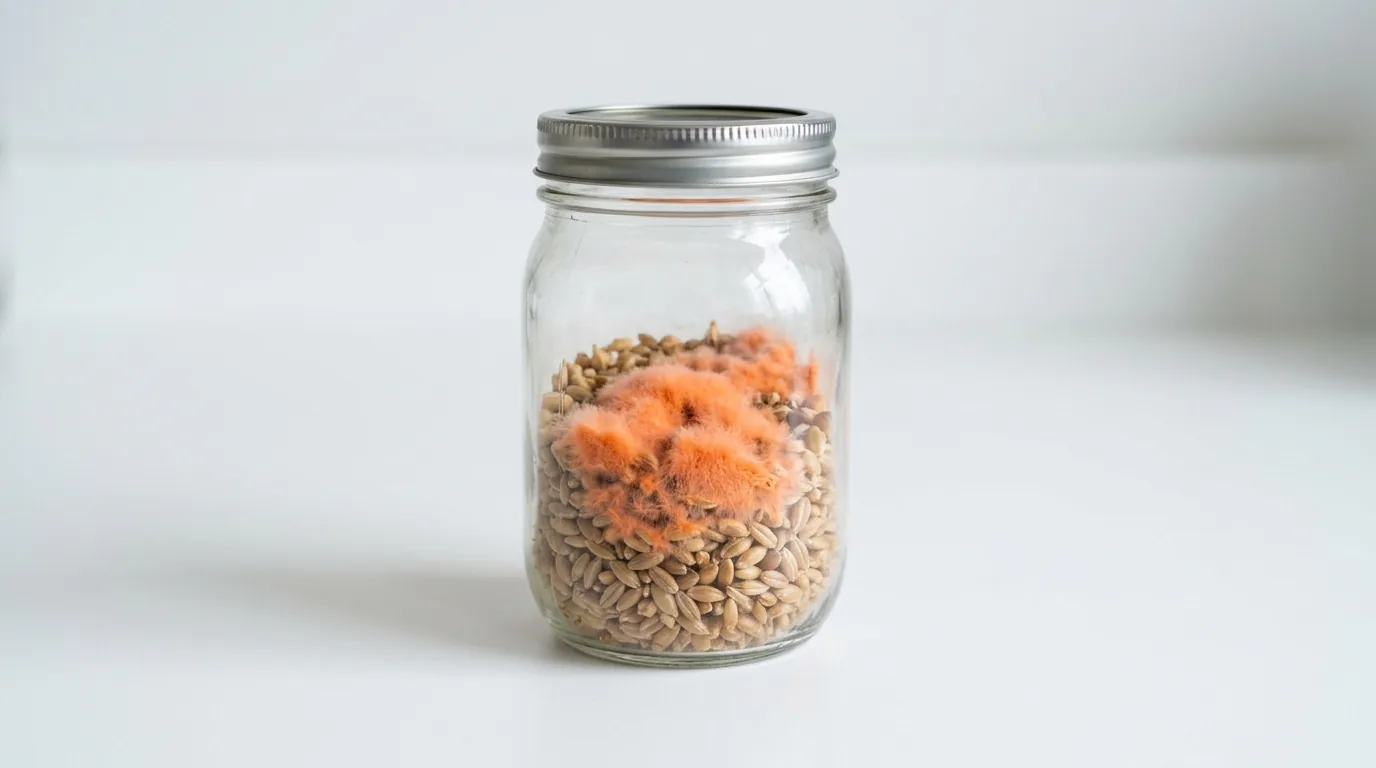
- Pink, red, or orange: Bacterial contamination
- Yellow patches: May be metabolites secreted by the mycelium (can be normal) or early bacterial contamination — watch closely
Smell is the secondary indicator:
- Earthy, pleasant, mushroom-like: Healthy
- Sour, vinegary, or acidic: Bacterial contamination
- Sweet, fermenting: Bacterial contamination
- Strong chemical: May indicate unusual contamination; investigate
Texture as tertiary indicator:
- Fluffy, fibrous: Healthy mycelium
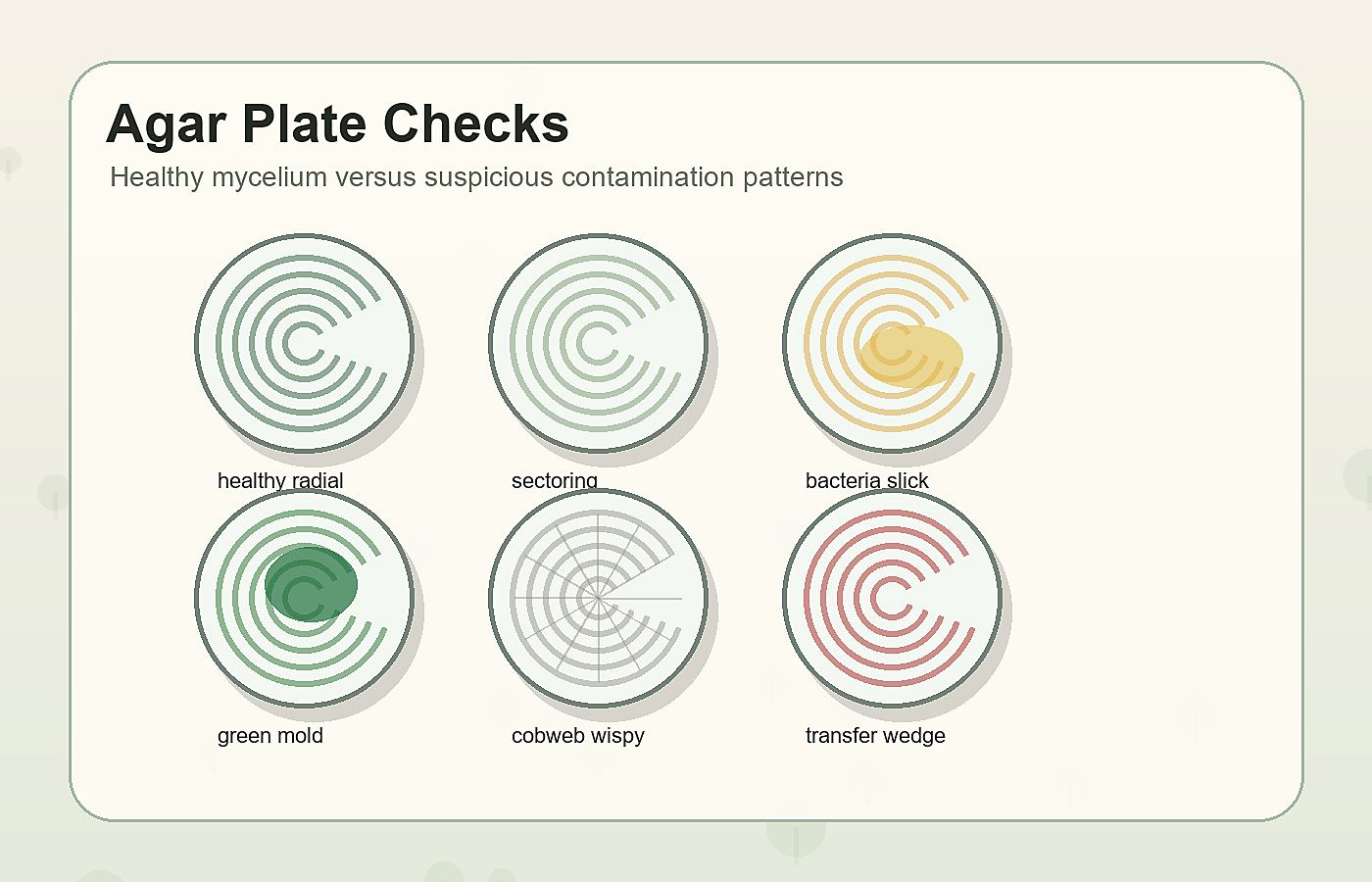
- Slimy or wet-looking without being watery: Bacterial contamination (bacterial slicks)
- Powdery: May be mold sporulating
Common Contamination Types
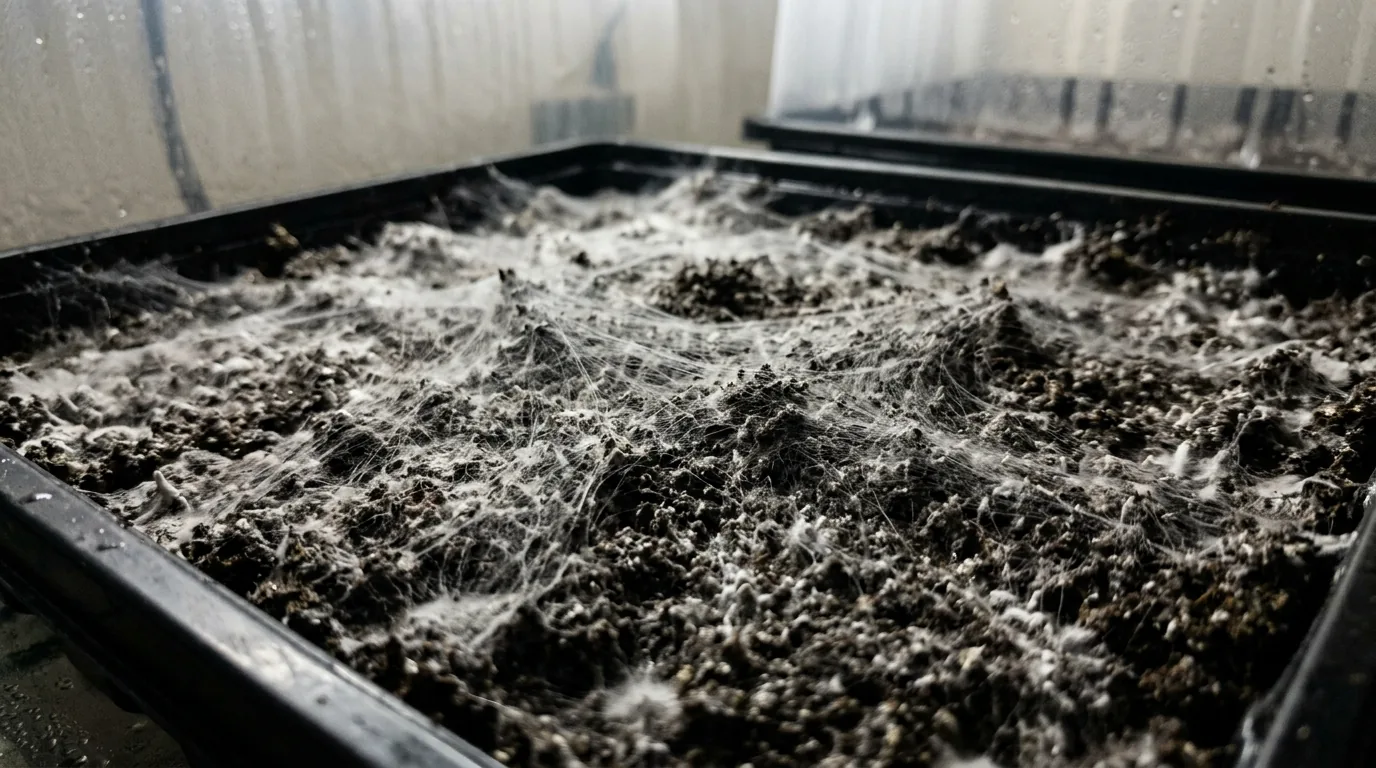
Trichoderma (Green Mold)
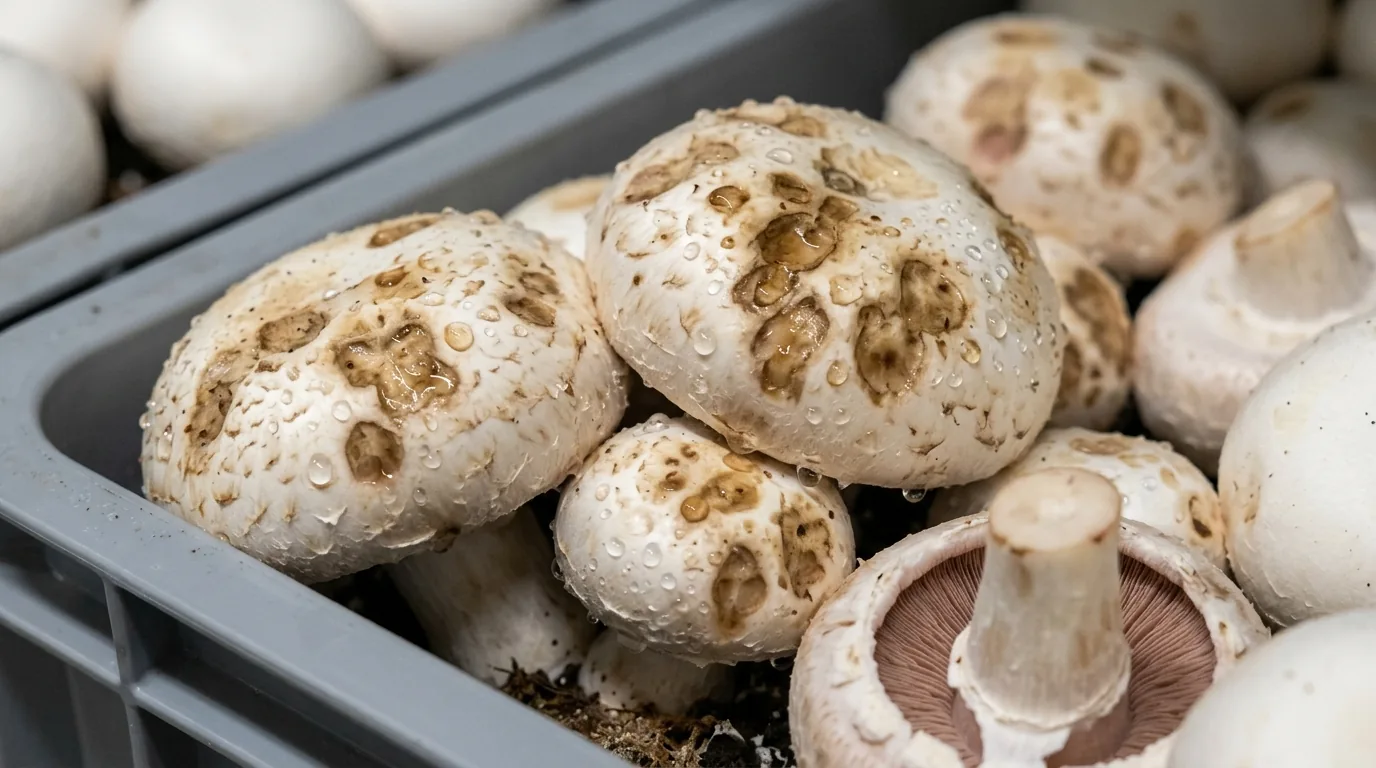
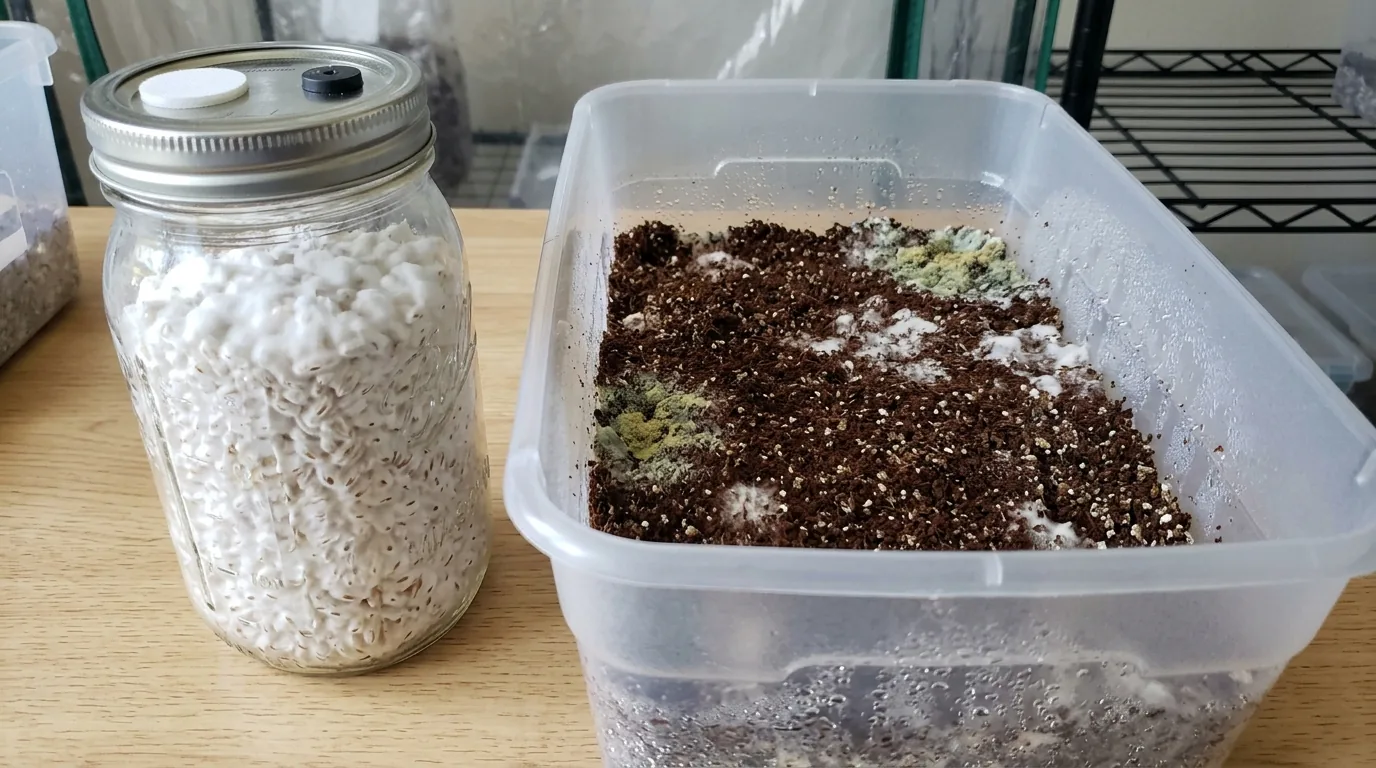
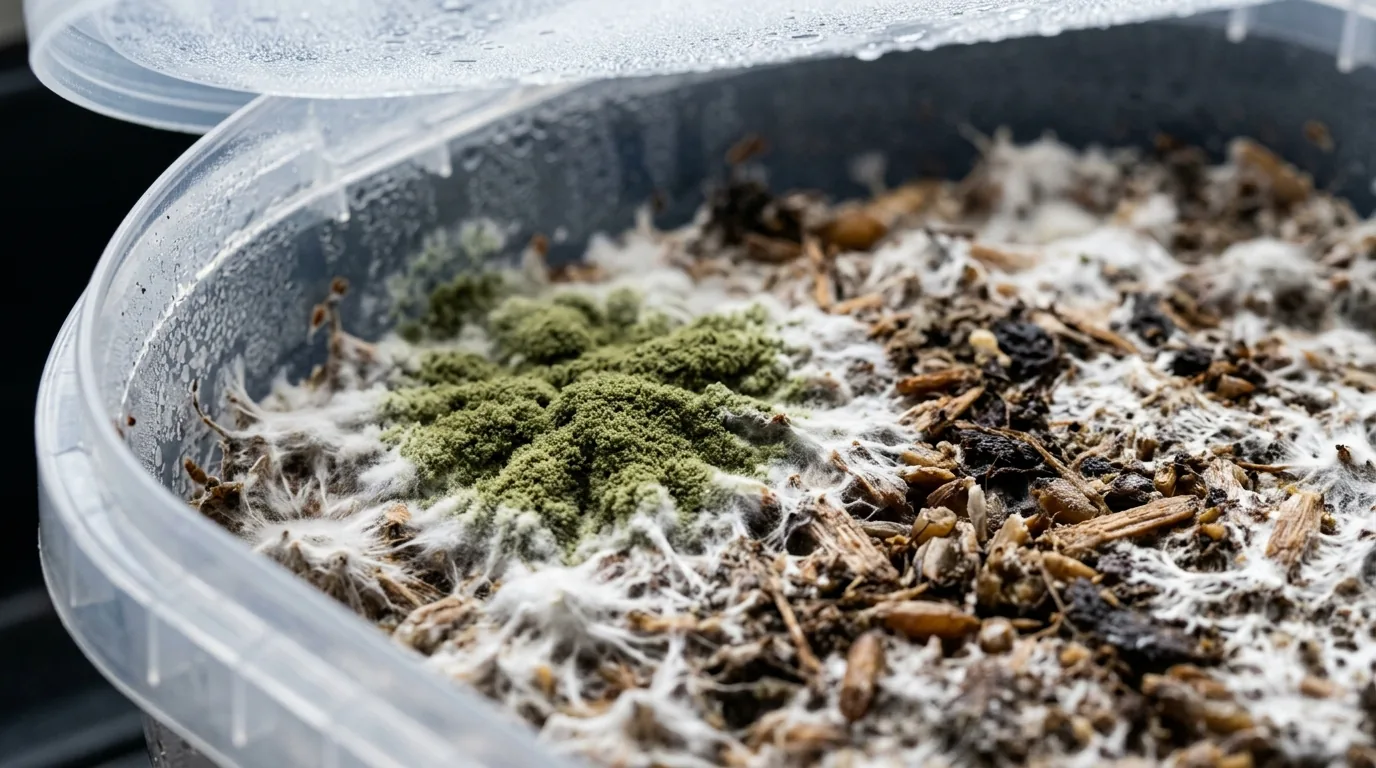
Appearance: Begins white (may look like mycelium initially) then turns green as it sporulates. Ranges from pale olive to bright green.
Cause: The most common and aggressive mushroom cultivation contaminant. Ubiquitous in the environment. Enters through compromised sterilization, inadequate aseptic technique, or contaminated materials.
Is it really Trichoderma?: Before discarding, confirm: blue-green tint that grows in size, patches that don't look like typical mycelium growth, powdery texture. True Trichoderma will always turn distinctly green.
Action: Discard. Do not attempt to save a jar or substrate with confirmed Trichoderma. The spores are aggressive and will survive in your grow space, contaminating subsequent grows.
Cobweb Mold (Dactylium or Cladobotryum)
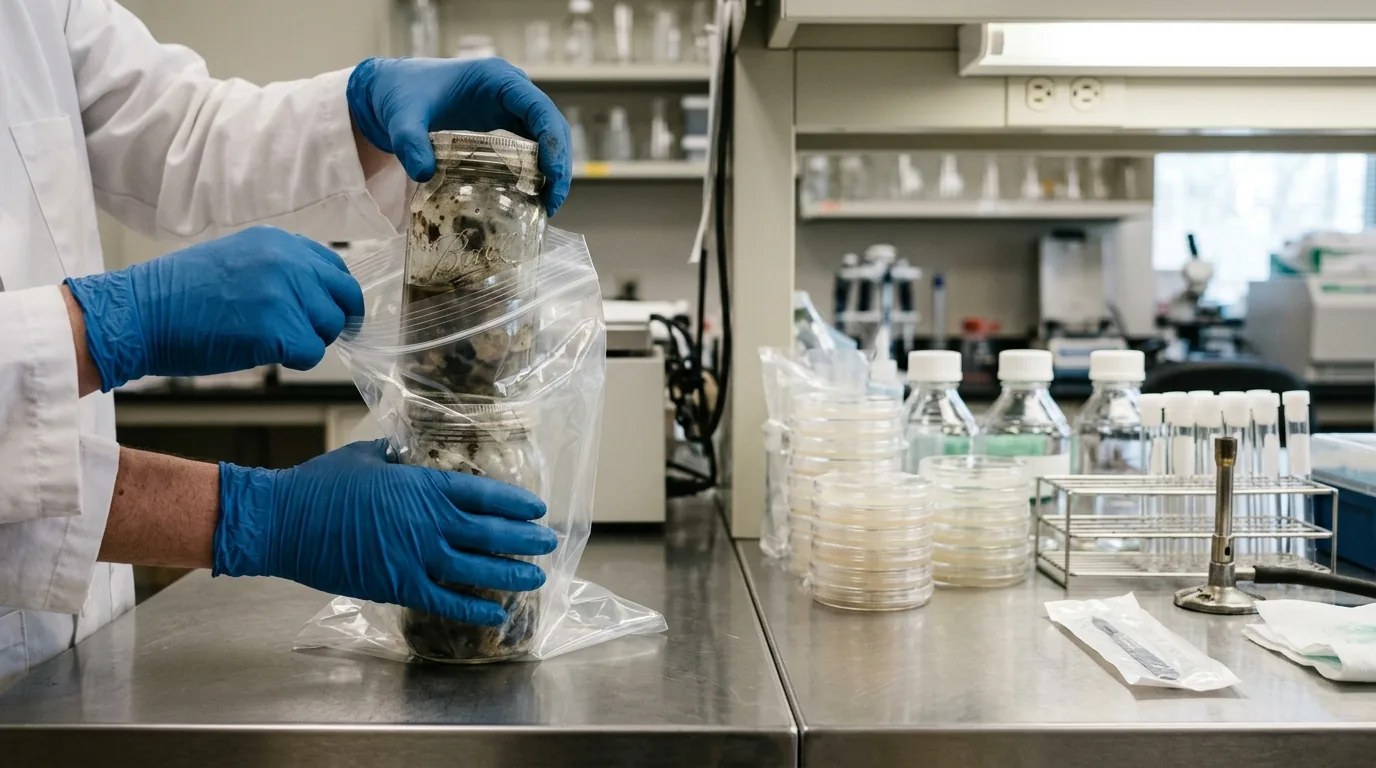
Appearance: White, very thin, wispy, cobweb-like strands — distinguishable from mycelium by being extremely fine and gossamer rather than ropy or fluffy.
Cause: Lower-risk contaminant that doesn't typically affect grain colonization. More common in fruiting chambers on already-colonized substrate.
Action: In fruiting chambers, fan the surface and mist lightly — cobweb mold dislikes air movement and humidity. May not require discarding the grow.
Bacterial Contamination
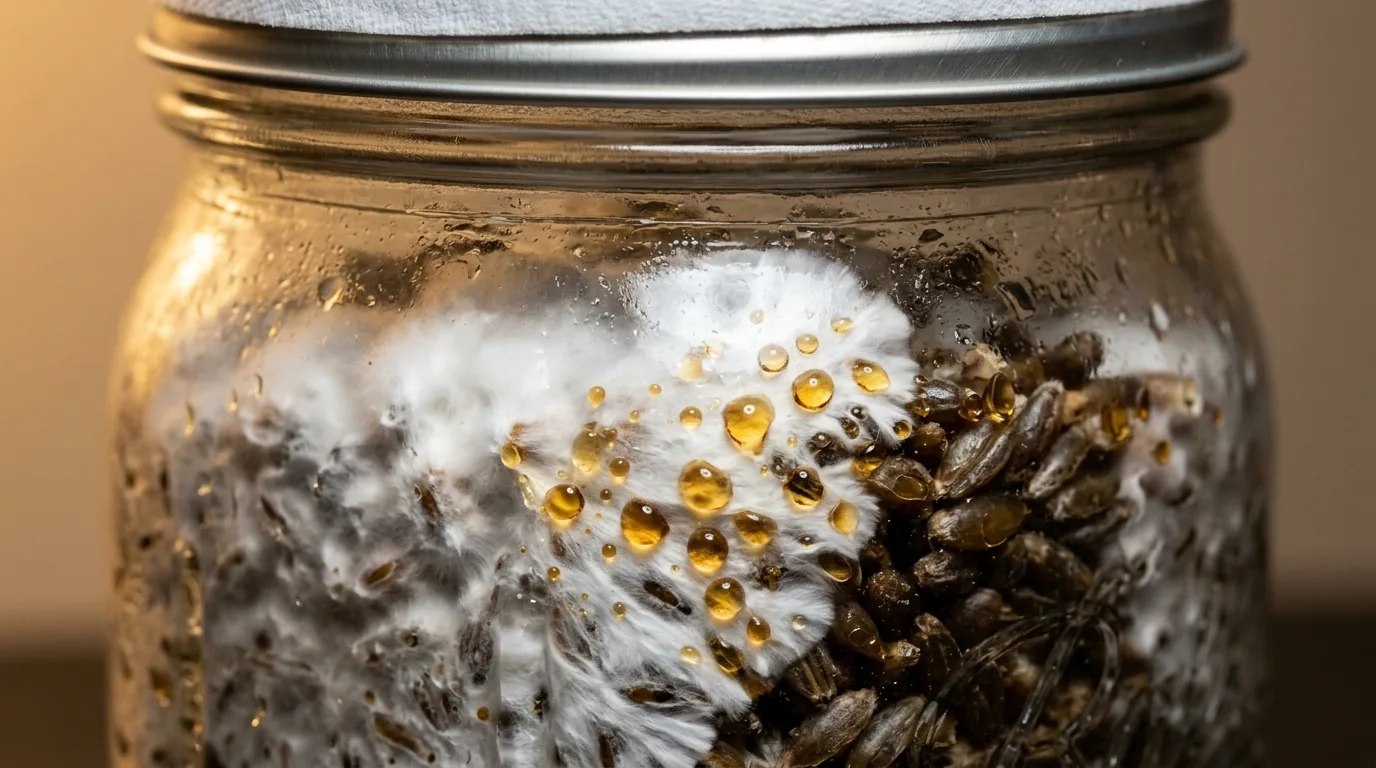
Appearance: Wet patches, sliminess, unusual colors (pink, orange, red, yellow slick). The substrate itself may appear watery or collapsed in contaminated areas.
Cause: Inadequate sterilization, too-wet substrate, or breaks in aseptic technique. Bacteria grow faster than mycelium at certain conditions.
Action: Discard. Bacterial contamination spreads rapidly and is extremely difficult to arrest.
Black Pin Mold (Rhizopus)
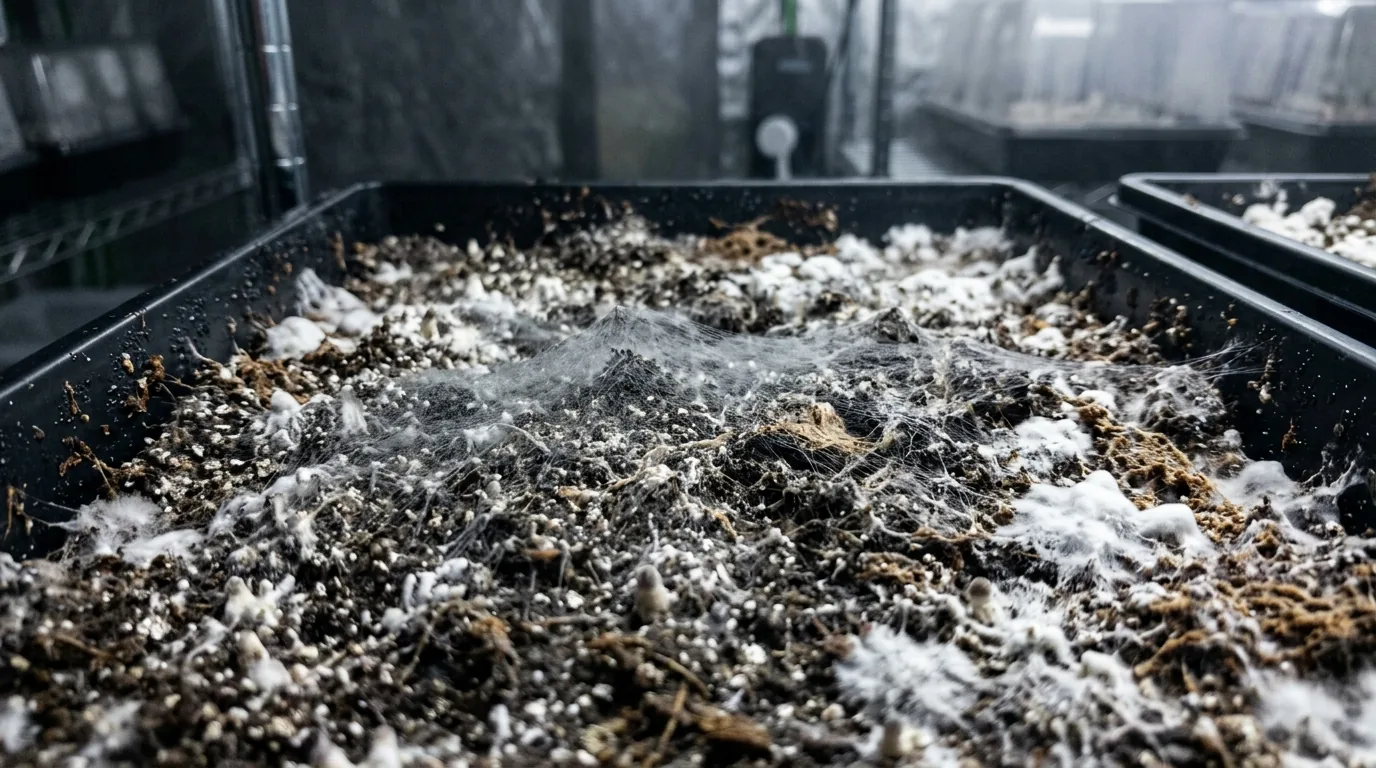
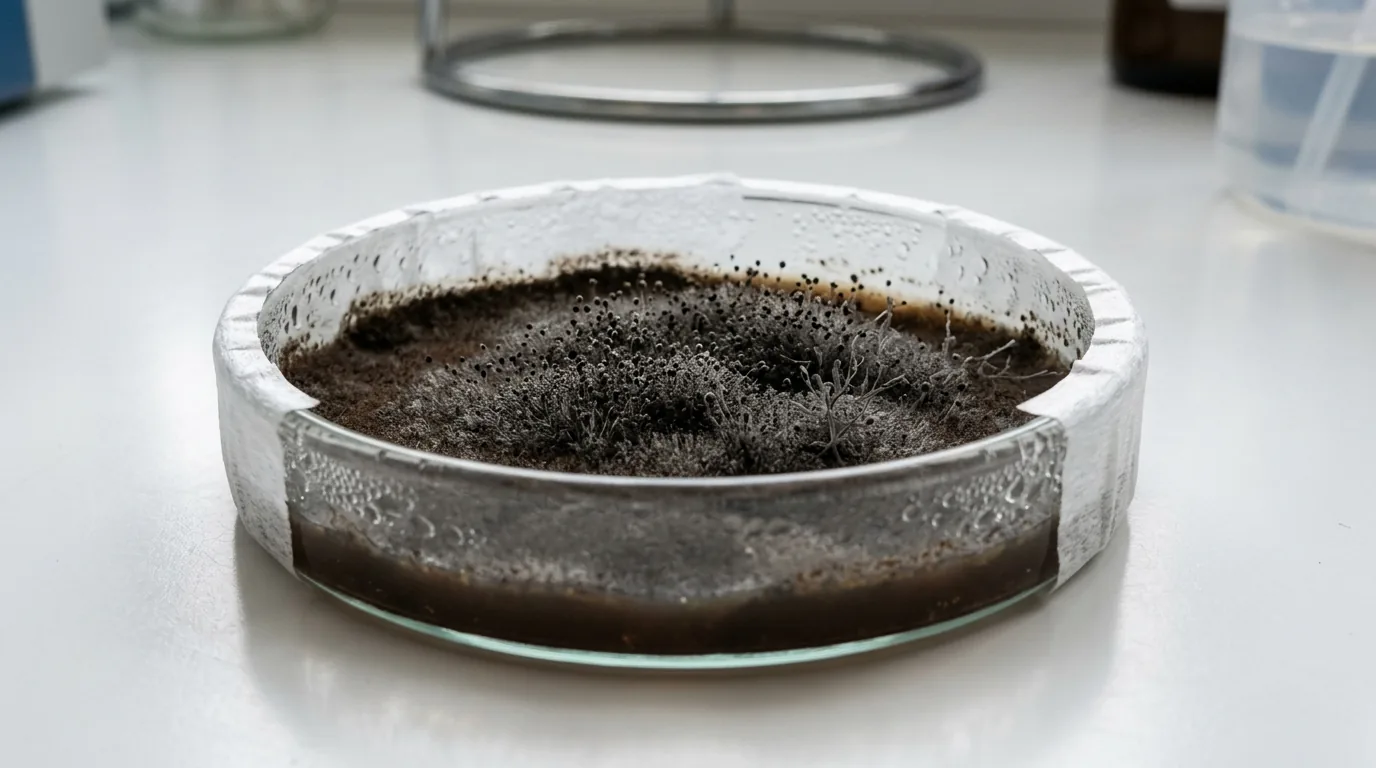
Appearance: Black or dark gray, with a distinctive fuzzy or spiky texture at the tips (the sporangia are visible at maturity). Often starts at the surface.
Cause: Common environmental contaminant. Enters from environmental spores, infected materials, or breaks in technique.
Action: Discard.
Colonization Speed Problems
Too Slow

Possible causes and solutions:
Temperature too low: Colonization below 70°F (21°C) is very slow. Verify actual grain temperature with a probe thermometer (not ambient room temperature). Heat mats, seedling mats, and small heat boxes can maintain proper temperature.
Wrong moisture level: Grain too dry colonizes slowly. Optimally prepared grain has a slight sheen of moisture; each kernel should feel moist but not wet. If grain is too dry, there's no practical in-jar fix — this is a preparation issue.
Old inoculant: Spore syringes older than 12 months or stored improperly may have reduced viability. Low germination rate produces slow, sparse early colonization.
Wrong grain type: Wild bird seed (WBS) and rye berry colonize faster than wheat berries or oats for most cubensis strains. If changing grain type fixes persistent slow colonization, the issue was substrate not technique.
Strain variability: Some cubensis strains (particularly slow-colonizing variants and exotic strains) genuinely colonize more slowly than standard strains. If the same inoculant colonizes jars at normal speed in different conditions, the issue is strain-specific.
Stalled Colonization
What it looks like: Colonization that reaches 30-50% coverage and then stops advancing, sometimes for weeks.
Possible causes:
- Temporary temperature disruption that halted mycelium growth
- Substrate moisture or gas imbalance in the jar
- Contamination that isn't immediately visible displacing mycelium
Action:
- Inspect carefully with good lighting for early contamination
- Verify temperature is in range
- Shake jars gently to redistribute grain and create new colonization points (some cultivators do this at 30% colonization as a standard practice)
- Wait 7-10 more days — sometimes colonization resumes after a pause
If colonization doesn't resume after the above and no contamination is visible, the jar may be a slow-colonizer that will eventually finish, or may be contaminated with something not yet visible.
Specific Problem Scenarios
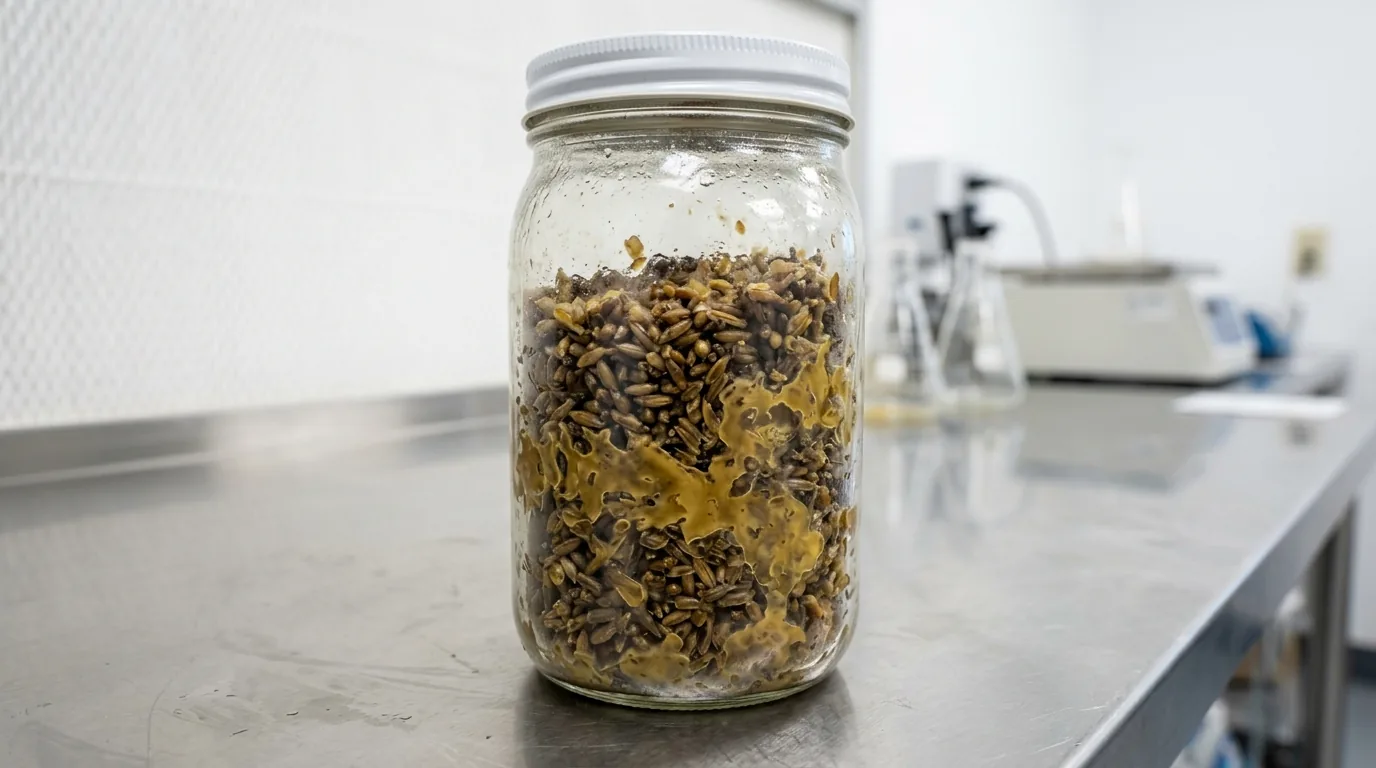
"Something Yellow in My Jars"
Yellow metabolites are sometimes excreted by healthy mycelium — this is a documented phenomenon, not always contamination. Yellow metabolites:
- Are amber to golden yellow
- Associated with areas of healthy white mycelium
- Don't grow or spread on their own
- Don't have a foul smell
Bacterial contamination that looks yellow:
- Often has a sour or unpleasant smell
- May be accompanied by sliminess
- Often appears on grain surfaces without white mycelium nearby
Watch for 24-48 hours. If white mycelium continues to grow alongside yellow areas with no smell change, it's likely metabolites.
Bruising (Blue or Green Tint on Mycelium)
Bruising — the characteristic blue-green oxidation of psilocybin-containing species when damaged — is normal and indicates healthy mycelium. It's caused by the oxidation of psilocin in response to physical damage. It is not contamination.
Distinguish bruising from Trichoderma:
- Bruising: Blue-green color following an impact, scratch, or pressure point; surrounded by healthy white mycelium; doesn't grow or expand on its own
- Trichoderma: Green patches that grow and expand; powdery texture as sporulation occurs
Grain Jars That Pass But Substrate Fails
If grain colonizes cleanly but contamination appears after mixing with bulk substrate, the issue is in the bulk substrate preparation or mixing technique, not the grain:
- Bulk substrate not pasteurized/sterilized adequately
- Mixing performed outside of a sufficiently aseptic environment
- Bulk substrate too wet (creates anaerobic areas that favor bacterial contamination)
When to Save vs. Discard
Save (monitor):
- Yellow metabolites without smell
- Single blue/green bruising spots
- Slight slowdown in colonization without smell change
- Cobweb mold in fruiting chambers (manage with FAE)
Discard immediately:
- Any confirmed green mold
- Any sour, foul, or chemical smell
- Pink, orange, or red coloration
- Bacterial sliminess
The 24-hour rule: If you're unsure, mark the spot and observe for 24-48 hours. True mold contamination grows visibly. Mycelium metabolite artifacts don't. This simple observation usually resolves ambiguous cases.
Preventing Contamination: Root Cause Thinking
Most contamination problems are systemic (affecting multiple jars) rather than isolated. When multiple jars show contamination, don't just treat the symptom — investigate the root cause:
- Multiple jars from same syringe failing: Suspect the inoculant source
- Multiple jars prepared same day failing: Suspect that day's preparation (sterilization time, technique, or materials)
- All substrate fails, grain is fine: Suspect bulk substrate preparation
- Random failures across batches: Suspect grow space contamination (clean and disinfect the environment)
Treating the root cause rather than discarding and retrying indefinitely is the path to consistent success.
Common Problems & Troubleshooting
See the Contamination Guide for common issues.
Tips for Success
Take notes at every stage. Consistency beats perfection.