Cloning and Genetic Isolation Guide
Everything you need to know about Cloning and Genetic Isolation Guide — from materials to first harvest.
What You'll Need
- See full supply list in guide below.
Find grow supplies at vendors in our Directory.
Step-by-Step Process
Cloning and Genetic Isolation Guide
Cloning and isolation are intermediate-to-advanced cultivation techniques that allow you to select for desirable traits — fast colonization, high potency, dense fruiting, specific morphology — and maintain them across generations. These techniques move beyond simply growing mushrooms to actually working with genetics.
Key Concepts
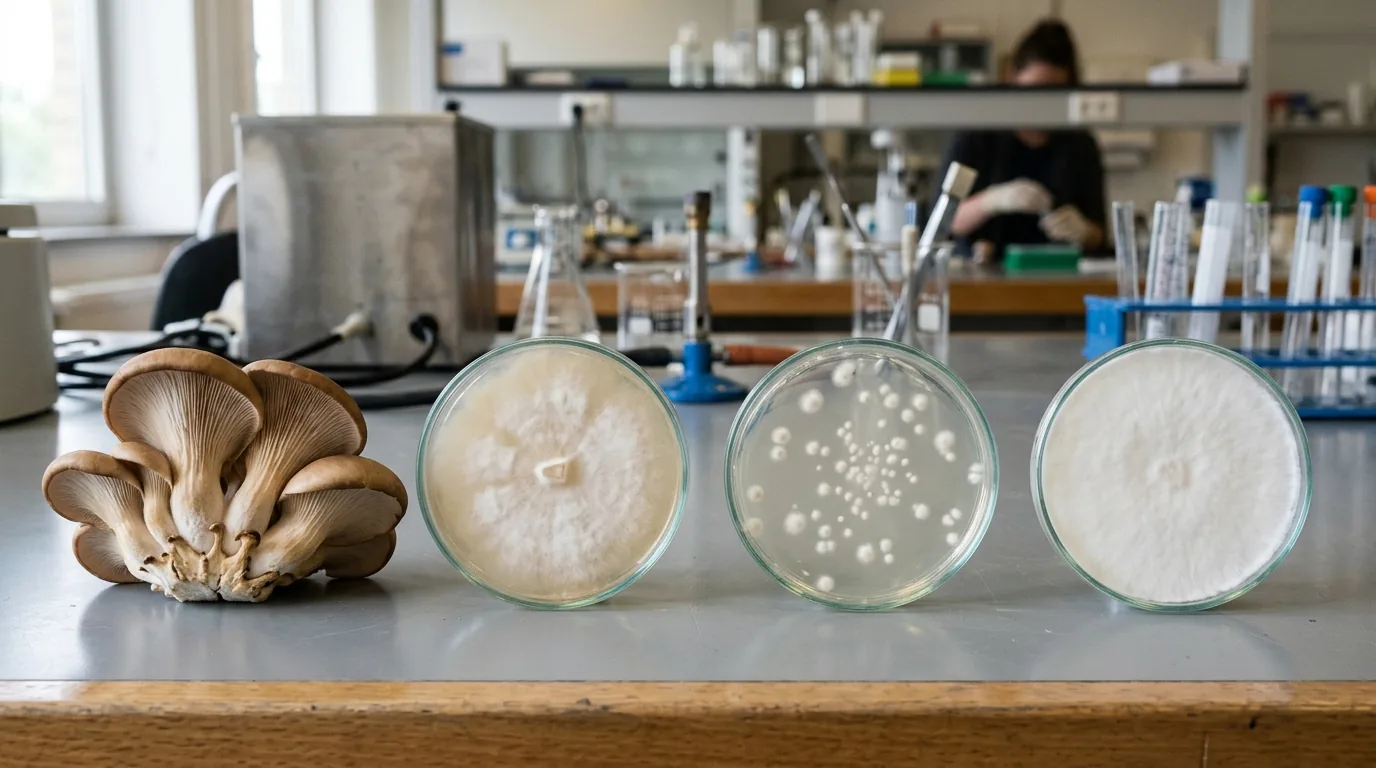
Clone: An exact genetic copy of a mushroom taken from living tissue (not spores). Cloning preserves the exact genetics of an individual specimen.
Isolation: Selecting a single-spore germination on agar from a multi-spore plate, then working with that genetically uniform culture. Isolation can take multiple generations to stabilize a desired phenotype.
Monokaryotic vs. dikaryotic: Spore germination produces monokaryotic cultures (single nuclei per cell, sexually immature). When two compatible monokaryons mate, they produce a dikaryotic culture (two nuclei per cell) capable of fruiting. Most commercial cultures are dikaryotic.
When to Clone
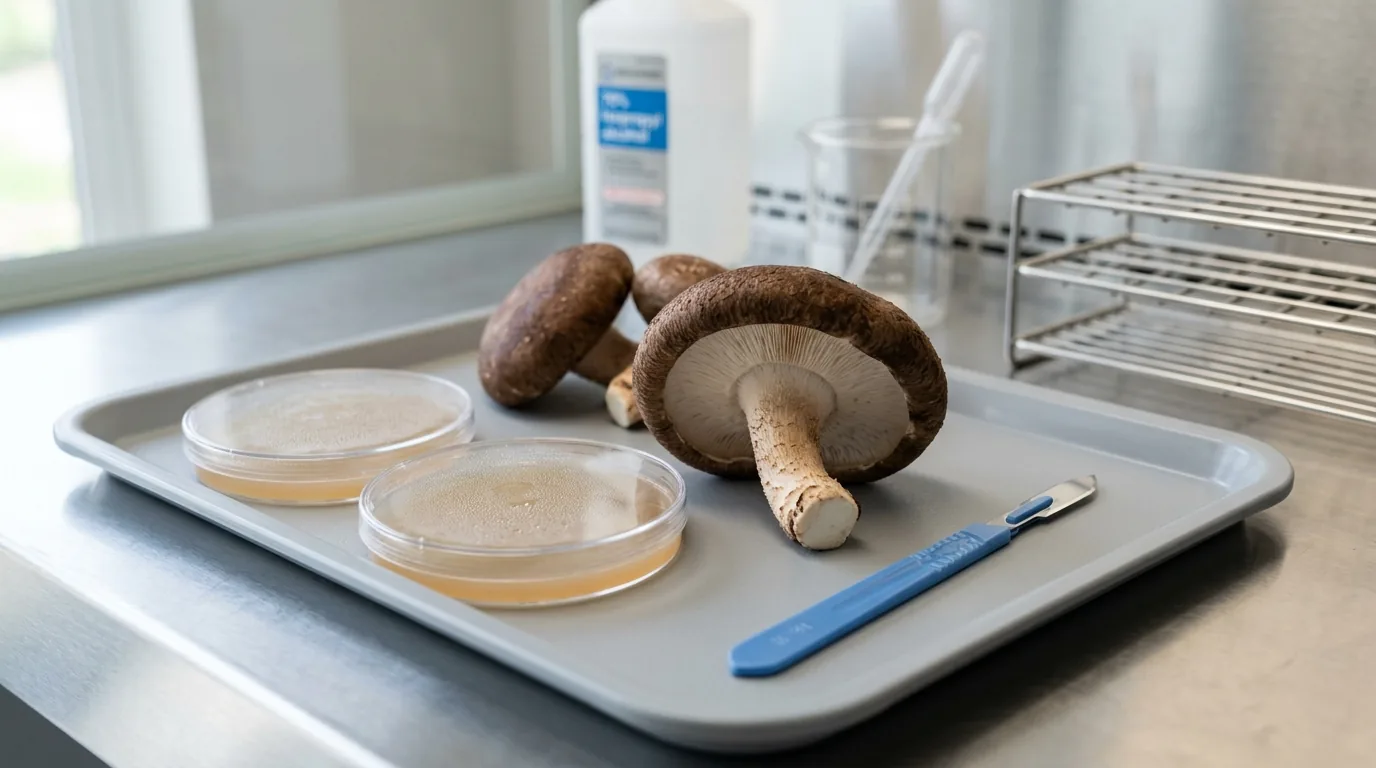
Clone when you have:
- A specimen with exceptional characteristics (fast growth, dense pinning, high yield, unique morphology)
- A specimen you want to preserve exactly (a prized wild collection, a unique isolated phenotype)
- A culture showing genetic drift in undesirable directions that a healthy original specimen can correct
Cloning from a young, fresh specimen (harvested just before the veil tears) produces the most vigorous tissue.
Tissue Cloning Procedure
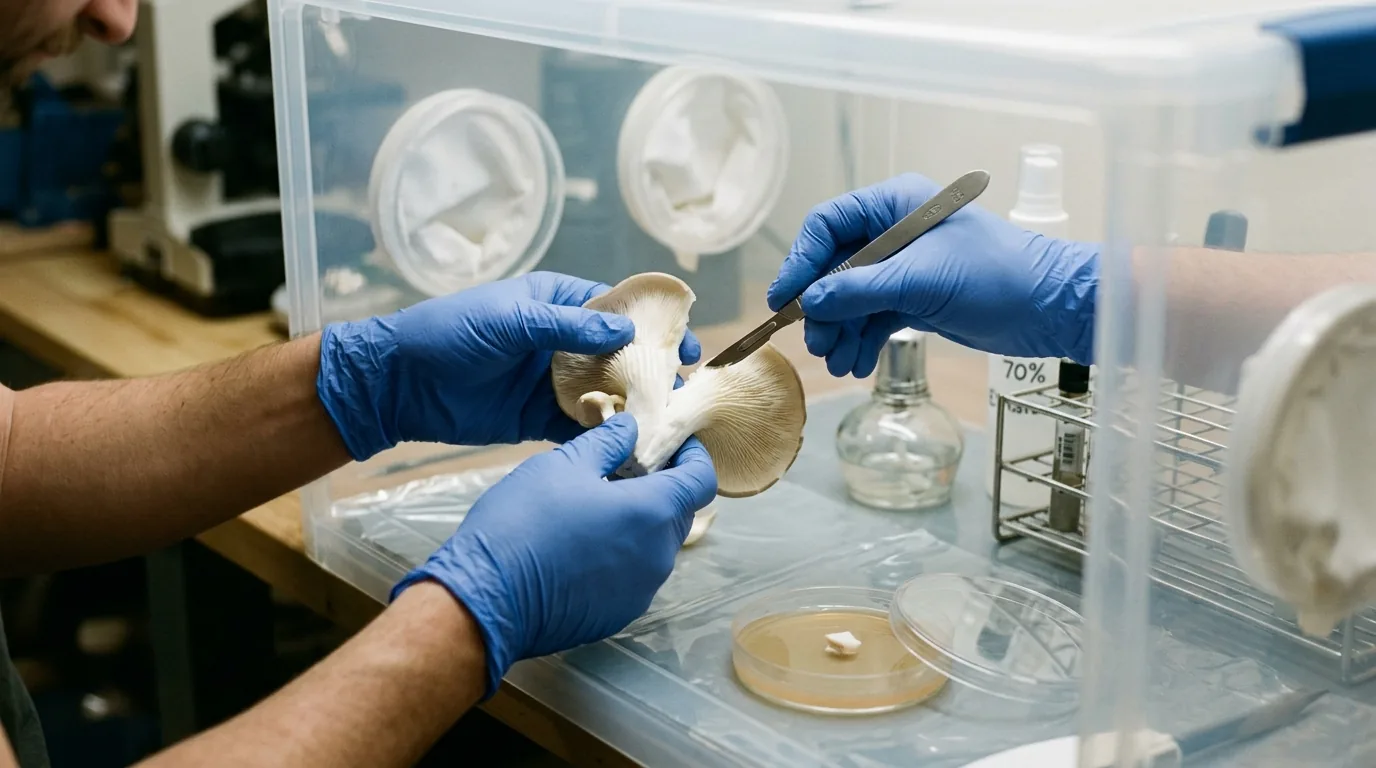
Materials:
- Psilocybin mushroom (fresh, healthy, harvested at prime)
- Malt extract agar (MEA) plates — prepared and cooled
- Scalpel or razor blade
- Alcohol lamp or torch lighter
- Still-air box or flow hood
Procedure:
- Work in still-air box or flow hood
- Flame sterilize scalpel until glowing red, allow to cool 30 seconds
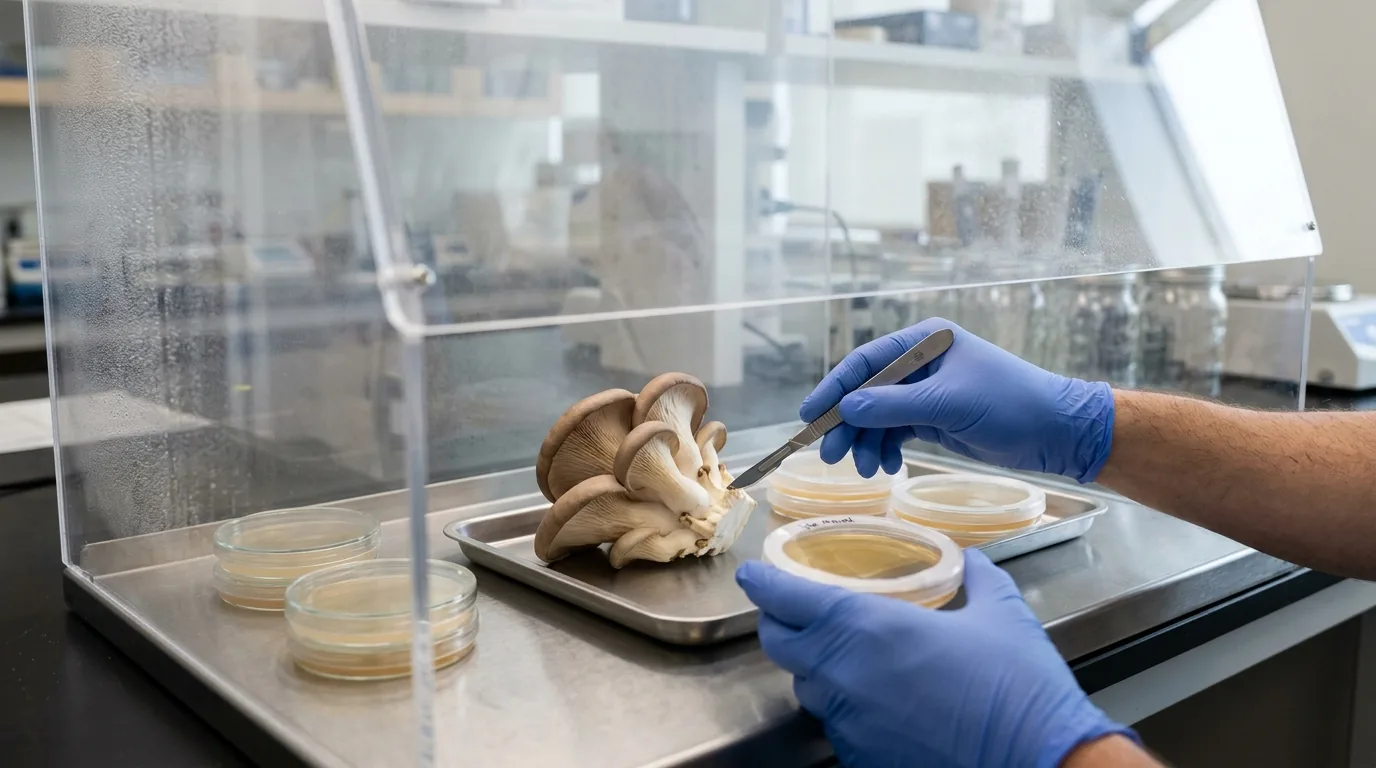
- Tear the mushroom apart (do not cut the outside skin) to expose interior gill tissue or inner stem
- Excise a 2–4mm piece of interior tissue (not outer surface)
- Place tissue on prepared MEA plate at center
- Seal plate with parafilm
- Store at 72–75°F out of direct light
Expect: Mycelium growth from the tissue within 3–7 days. Growth is your clone.
Transfer: When the clone has colonized 30–40% of the plate, transfer the leading edge to fresh plates. This reduces the risk of contamination from the original tissue.
Multi-Spore Germination (Starting Isolation)
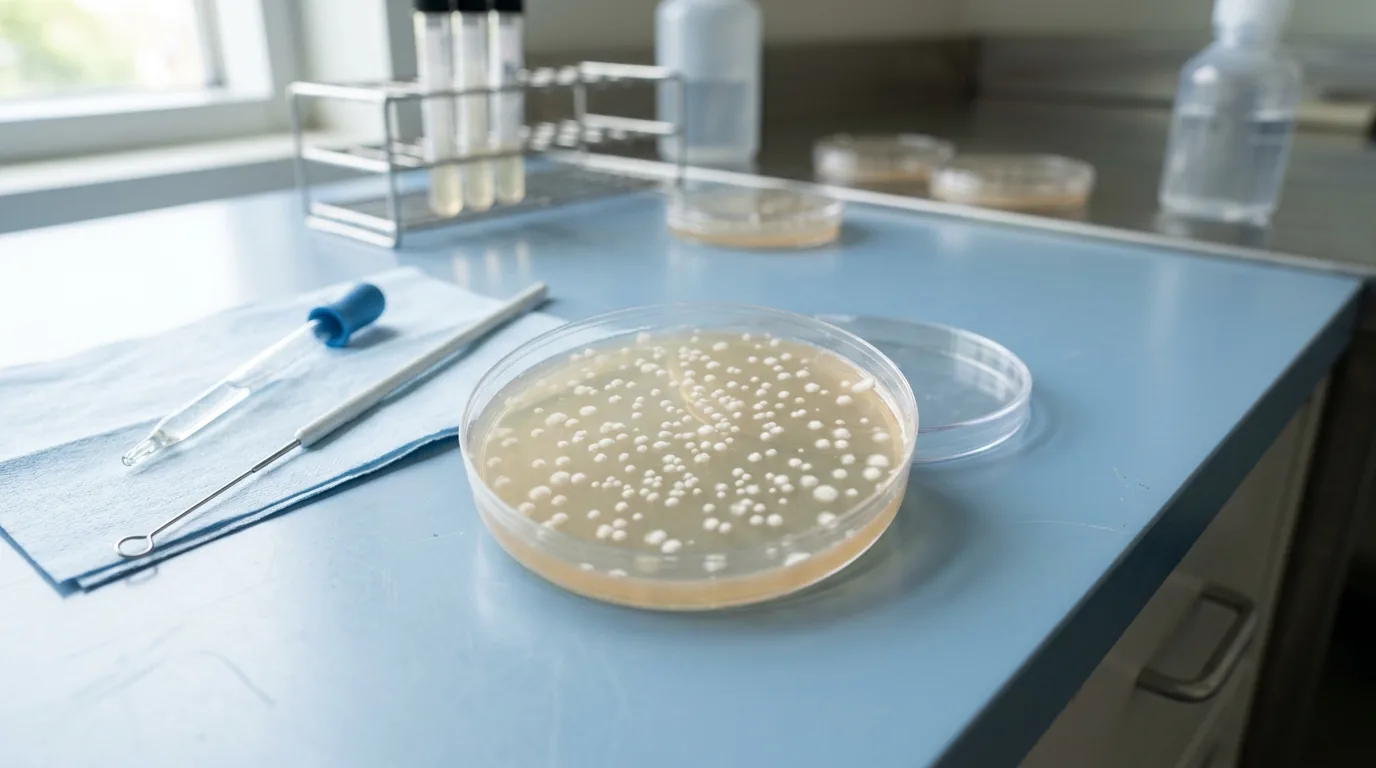
Before isolating, you need a multi-spore plate:
- Make a spore print or use a spore syringe
- Dilute heavily in distilled water (a single drop of syringe water in 10ml distilled water)
- Spread thinly on MEA plate
- Individual spores germinate as tiny points of mycelium within 3–5 days
From this multi-spore plate, you can begin isolation.
Single-Spore Isolation
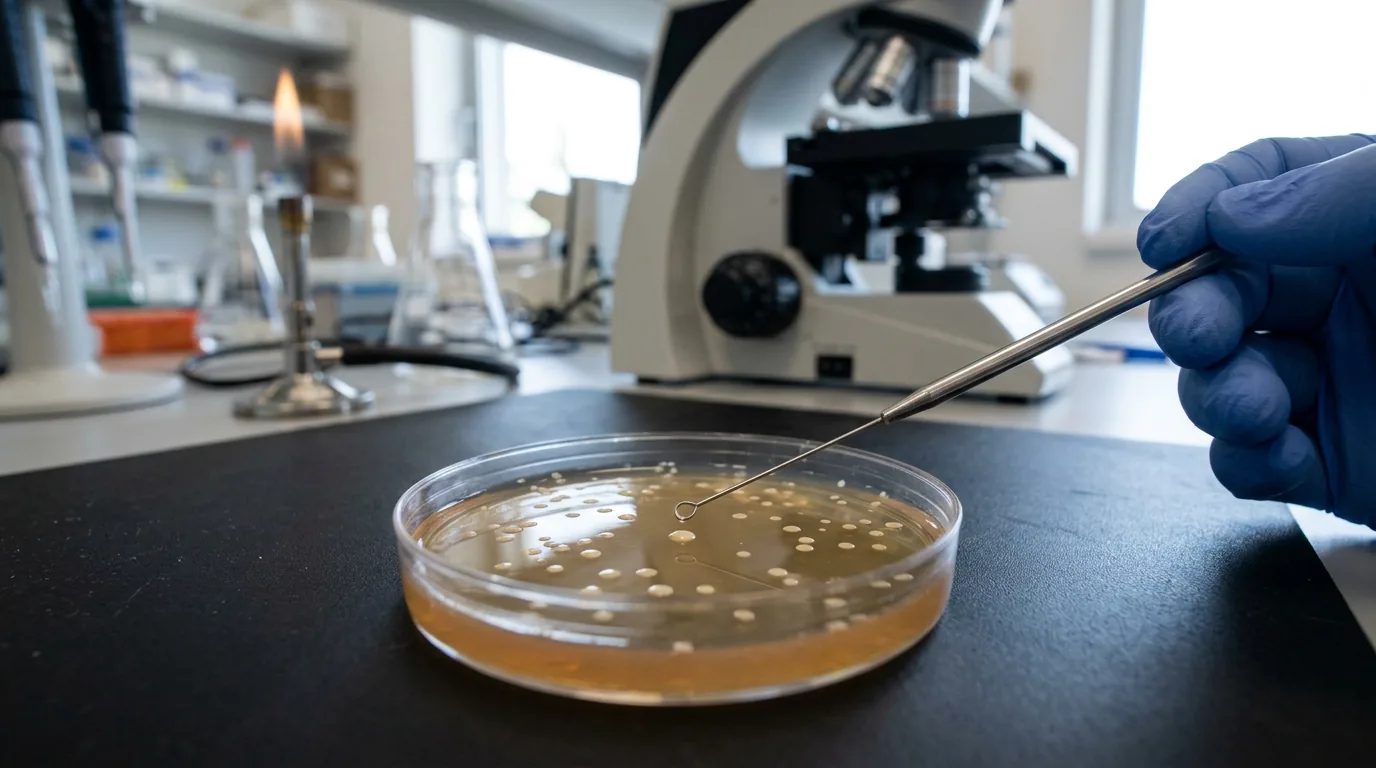
True single-spore isolation (culturing from one individual spore) is very technical and requires microscopy. What most cultivators do is:
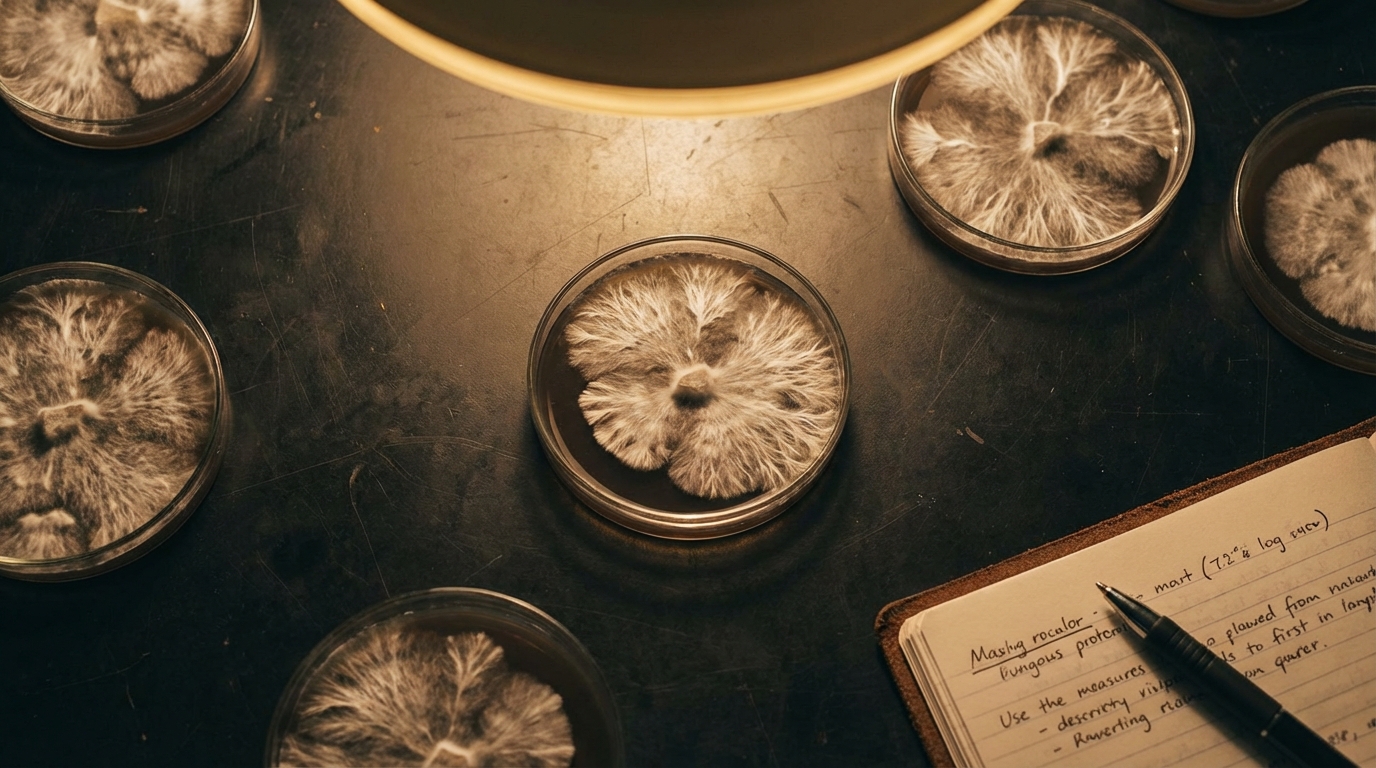
Sectoring from multi-spore plates: After a multi-spore plate has grown, individual sectors of growth often represent genetically distinct isolates. Select a sector with desirable growth characteristics (fast, dense, ropey rhizomorphic growth) and transfer it to a fresh plate.
Fruiting the isolates: After 3–4 generations of selection and transfer, trial the best isolates by fruiting them on grain spawn and bulk substrate. Compare yield, colonization speed, morphology, and potency.
Recognizing Desirable vs. Undesirable Growth
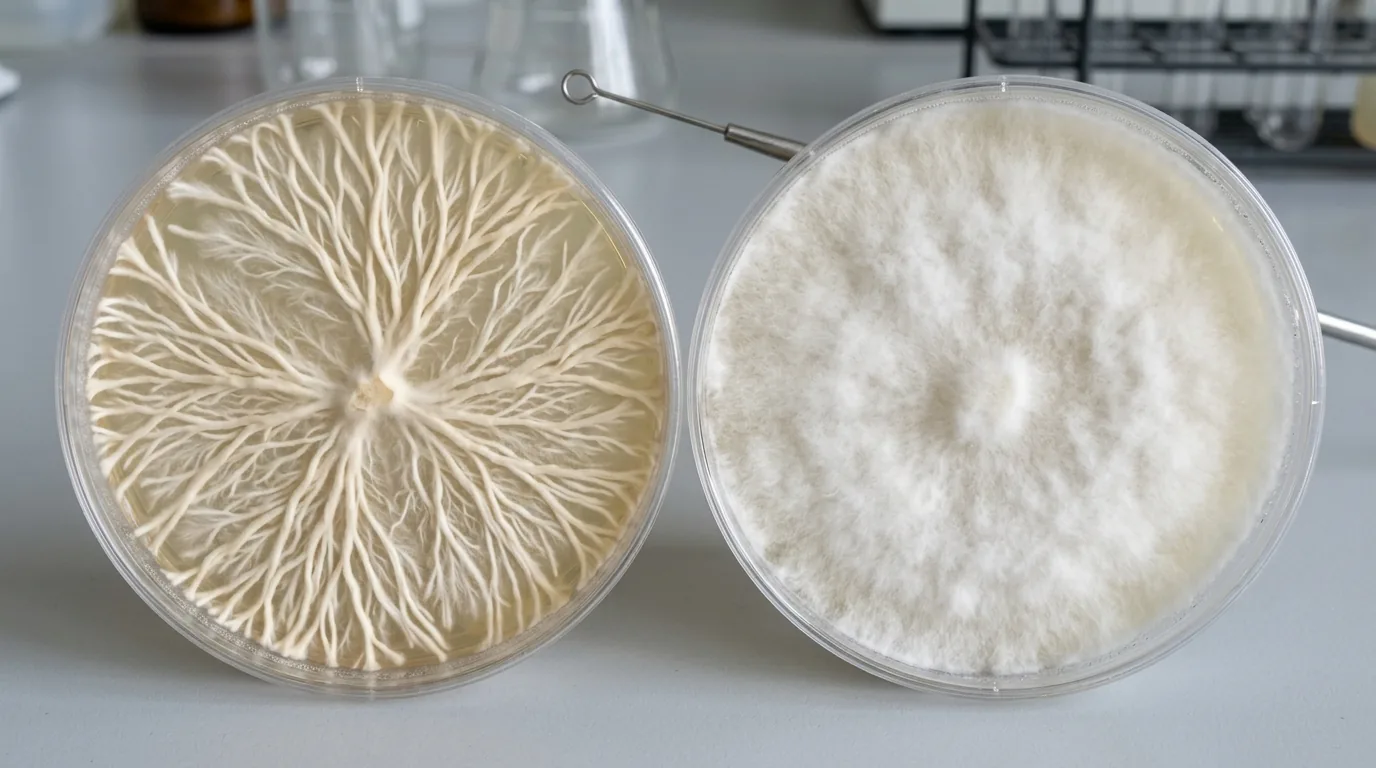
On agar plates:
Desirable (rhizomorphic):
- Dense, rope-like mycelium with well-defined growth front
- Fast growth
- Compact, organized structure
Less desirable (tomentose):
- Fluffy, cotton-like, diffuse growth
- Slower colonization
- Less aggressive in substrate competition
Rhizomorphic isolates typically fruit better than tomentose ones, though this is not universal.
Long-Term Culture Maintenance
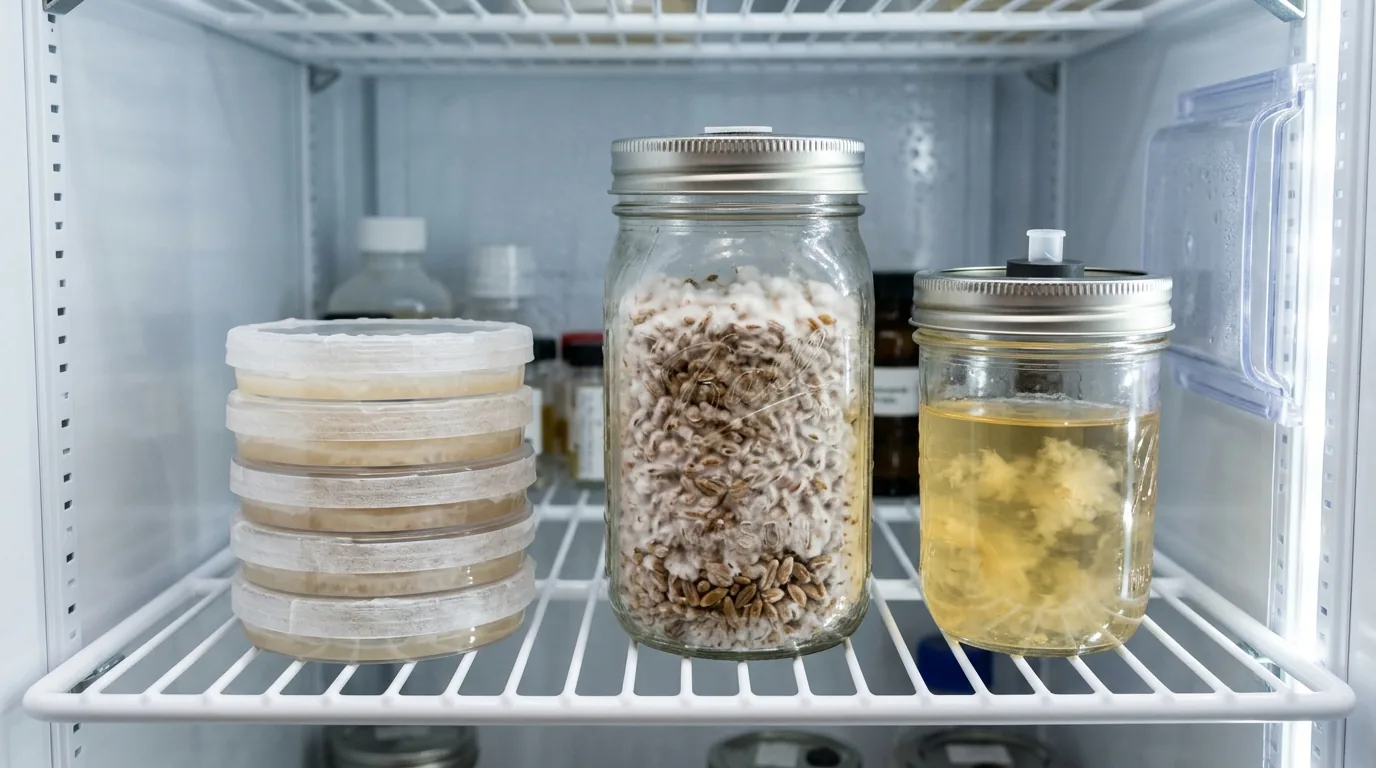
Refrigerated storage: Colonized agar plates can be sealed and refrigerated at 35–40°F for 6–12 months without significant viability loss.
Grain storage: Colonized grain spawn stored in sealed jars at refrigerator temperature maintains viability for 3–6 months.
Liquid culture: Mycelia in liquid media (water + light malt extract) can be stored refrigerated for 6–12 months.
Glycerol stocks (cryogenic): The gold standard for long-term storage. Mix mycelium with 15–20% glycerol solution and store at -80°C or in liquid nitrogen. This preserves cultures indefinitely. Requires ultra-low temperature freezer.
Why Isolation Matters
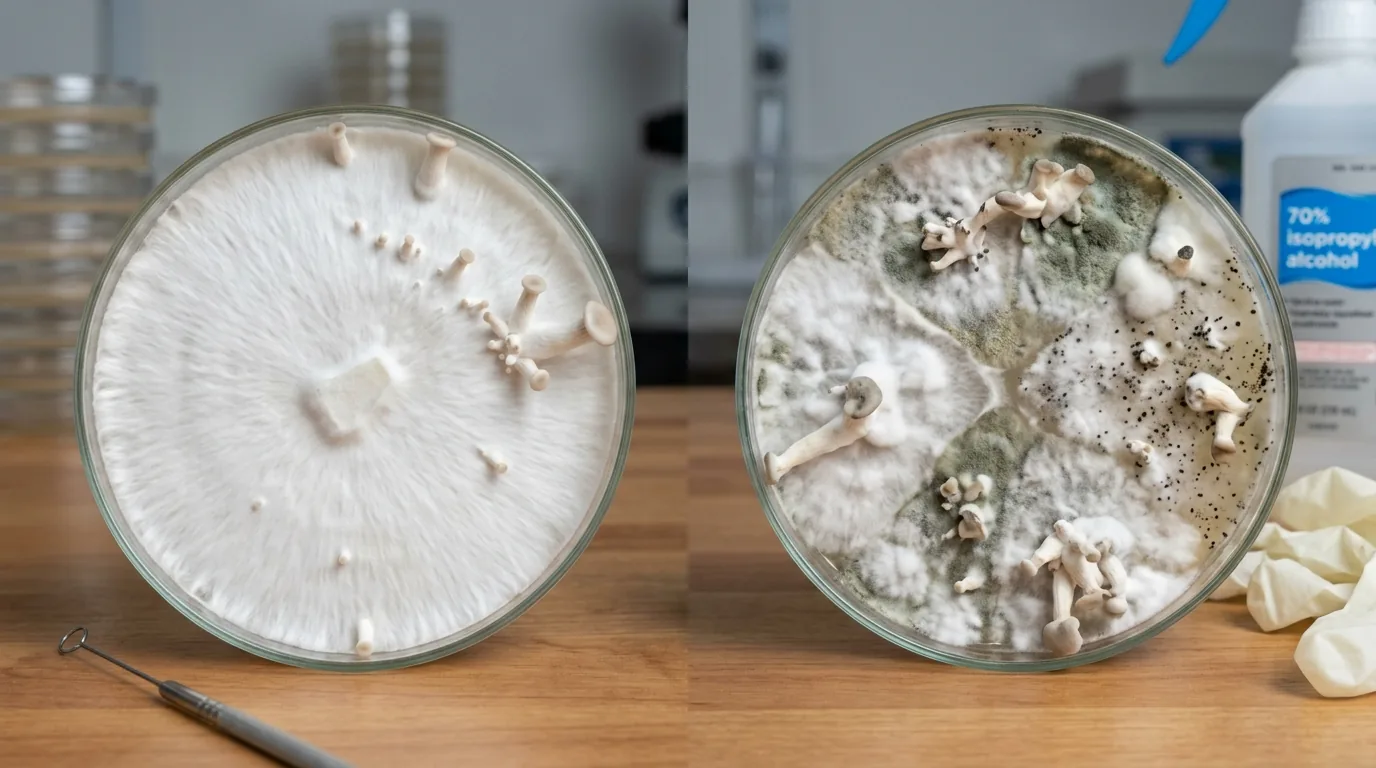
Without isolation, multi-spore cultures degrade across generations — genetic drift produces cultures that are slower, lower-yielding, or more prone to contamination. Isolation stabilizes desirable traits. The growers who produce the community's most sought-after strains are typically skilled isolators working with stable, selected genetics.
Common Problems & Troubleshooting
See the Contamination Guide for common issues.
Tips for Success
Take notes at every stage. Consistency beats perfection.