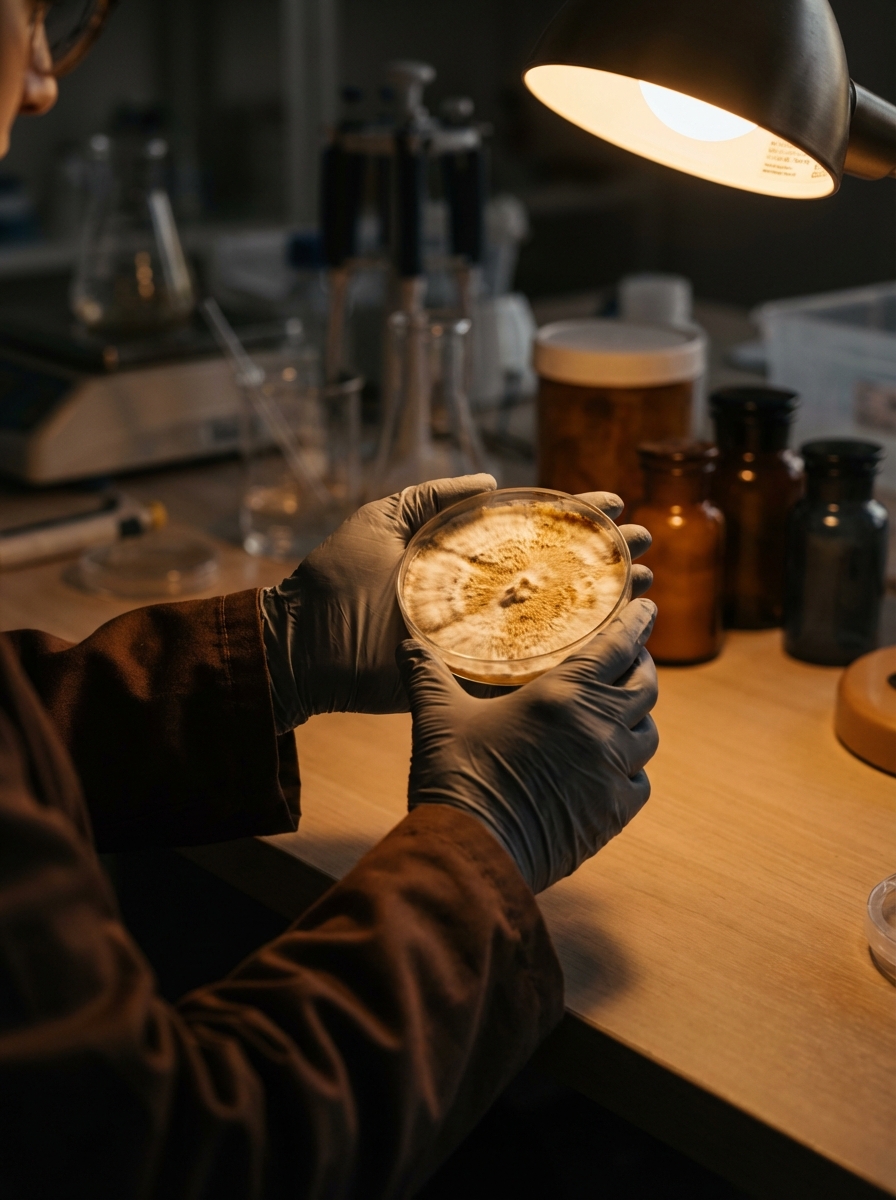
How Psilocybin Rewires the Brain: The Neuroplasticity Science
Psilocybin produces therapeutic effects that outlast its pharmacological presence by weeks or months. Understanding why requires understanding neuroplasticity — the brain's capacity to physically restructure itself — and how psilocybin triggers it.
The BDNF Connection
Brain-Derived Neurotrophic Factor (BDNF) is sometimes called "Miracle-Gro for the brain." It promotes neuronal growth, differentiation, and survival. Depression is associated with chronically low BDNF, particularly in the prefrontal cortex and hippocampus — the regions most involved in emotional regulation and flexible thinking.
Psilocybin rapidly and significantly increases BDNF expression in multiple brain regions. This effect begins within hours of administration and persists for days to weeks. This rapid BDNF upregulation is believed to be the mechanistic link between psilocybin and the rapid antidepressant effects researchers observe — effects that sometimes appear within 24–48 hours of a session, far faster than SSRIs, which require weeks of daily dosing to achieve similar BDNF changes.
Dendritic Spine Growth
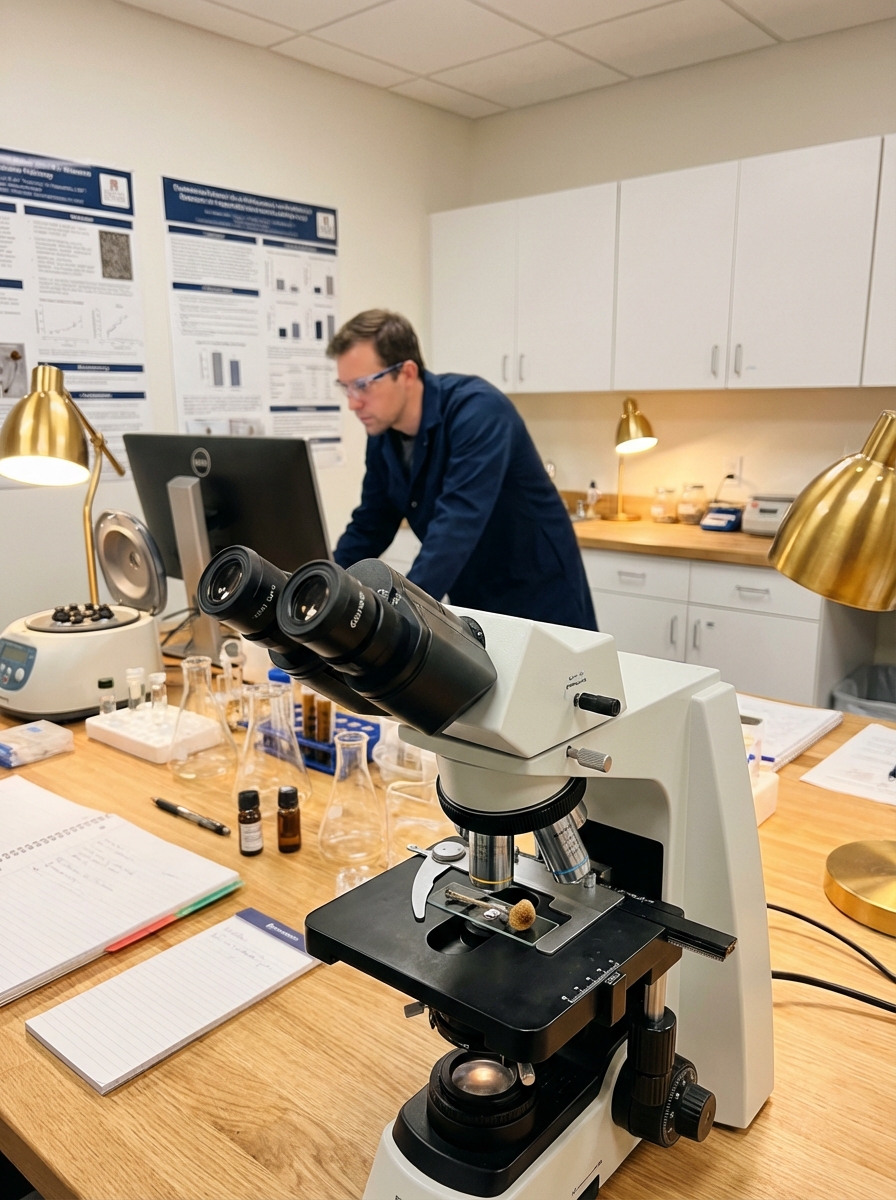
A 2021 Yale study found that psilocybin increased dendritic spine density — the physical synaptic connections between neurons — by up to 10% in the prefrontal cortex within 24 hours. These structural changes persisted at 30-day follow-up. This is remarkable: dendritic spines are the physical substrate of learned behaviors and emotional patterns. Psilocybin appears to literally rebuild connection density in areas that atrophy in depression and PTSD.
Default Mode Network Disruption
The default mode network (DMN) is the brain's self-referential narrative system — most active during rumination, self-evaluation, and mind-wandering. In depression and PTSD, the DMN gets stuck in rigid, negative loops.
Psilocybin acutely suppresses DMN activity and temporarily increases communication between brain networks that don't normally interact. When the DMN comes back online, it appears to reconsolidate in a more flexible, less rigidly negative configuration. This reconsolidation window is believed to be why single psilocybin sessions produce lasting therapeutic change in a way that most other interventions don't.
The Integration Window
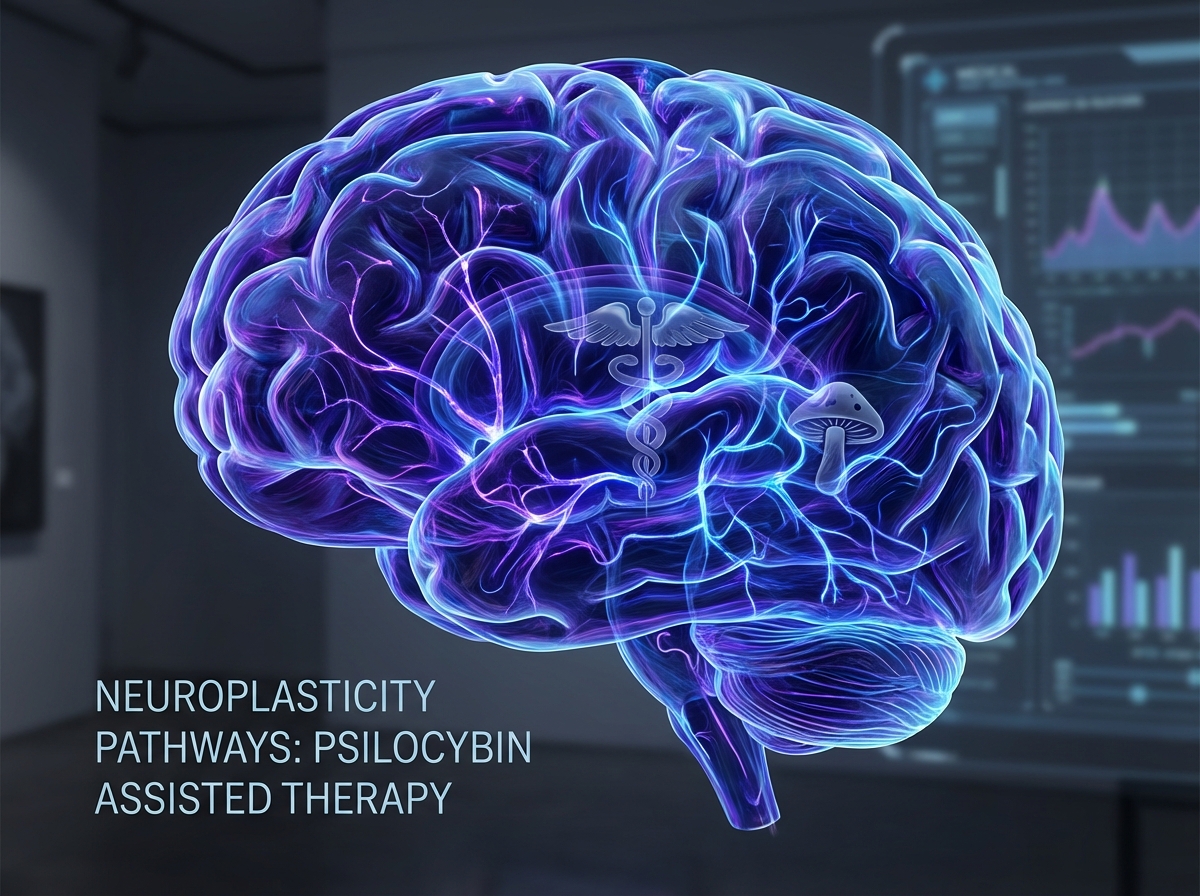
Neuroplasticity following psilocybin is not indefinite. Evidence suggests a window of heightened plasticity lasting approximately 2–4 weeks post-session. During this period, new patterns of thought, behavior, and relationship are more likely to form and persist.
This is why integration timing matters. Therapy sessions, journaling, meaningful conversations, lifestyle changes, and new practices should be front-loaded in the weeks immediately after a session — not scheduled months later as an afterthought.
The Clinical Implication
Psilocybin creates the biological conditions for change. The integration work — therapy, reflection, behavior — directs that change. The two together produce outcomes that neither produces alone.