Group Psilocybin Therapy: What to Expect and When It's Right for You
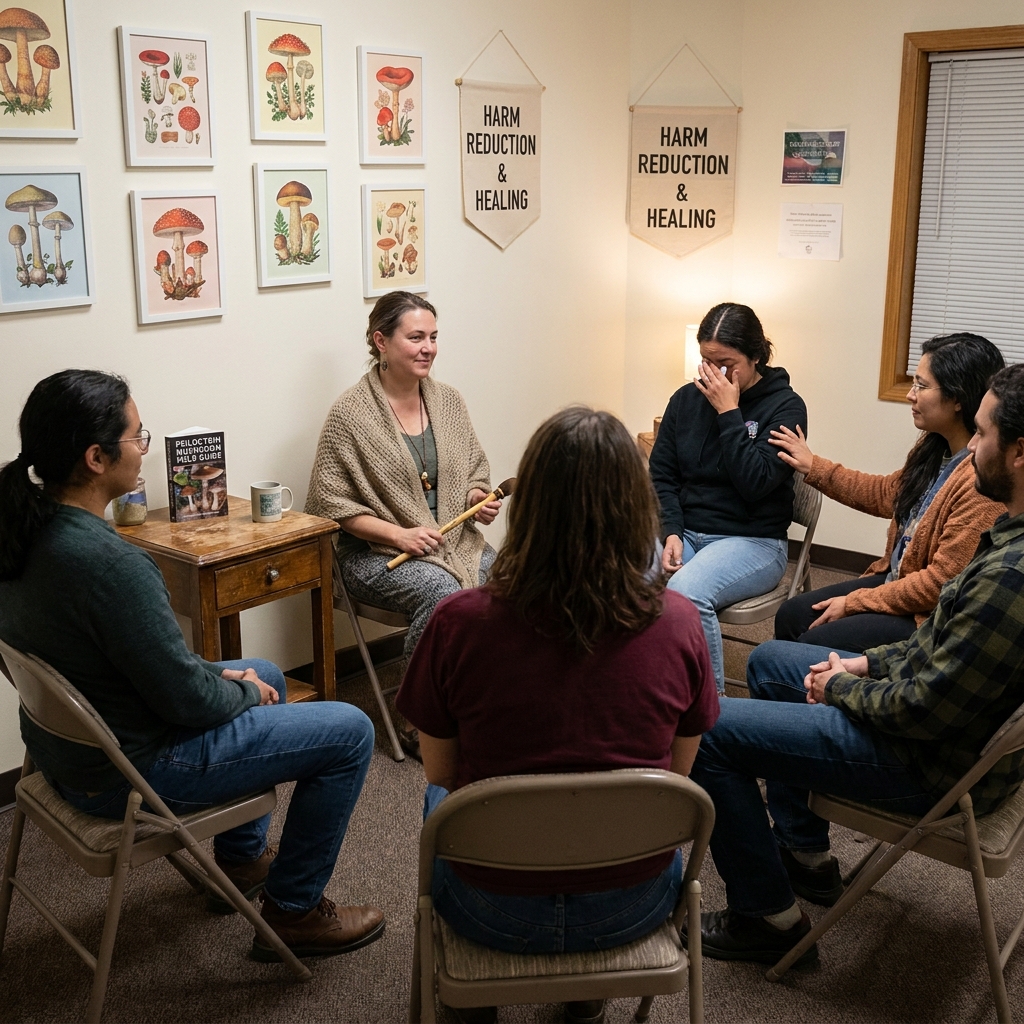
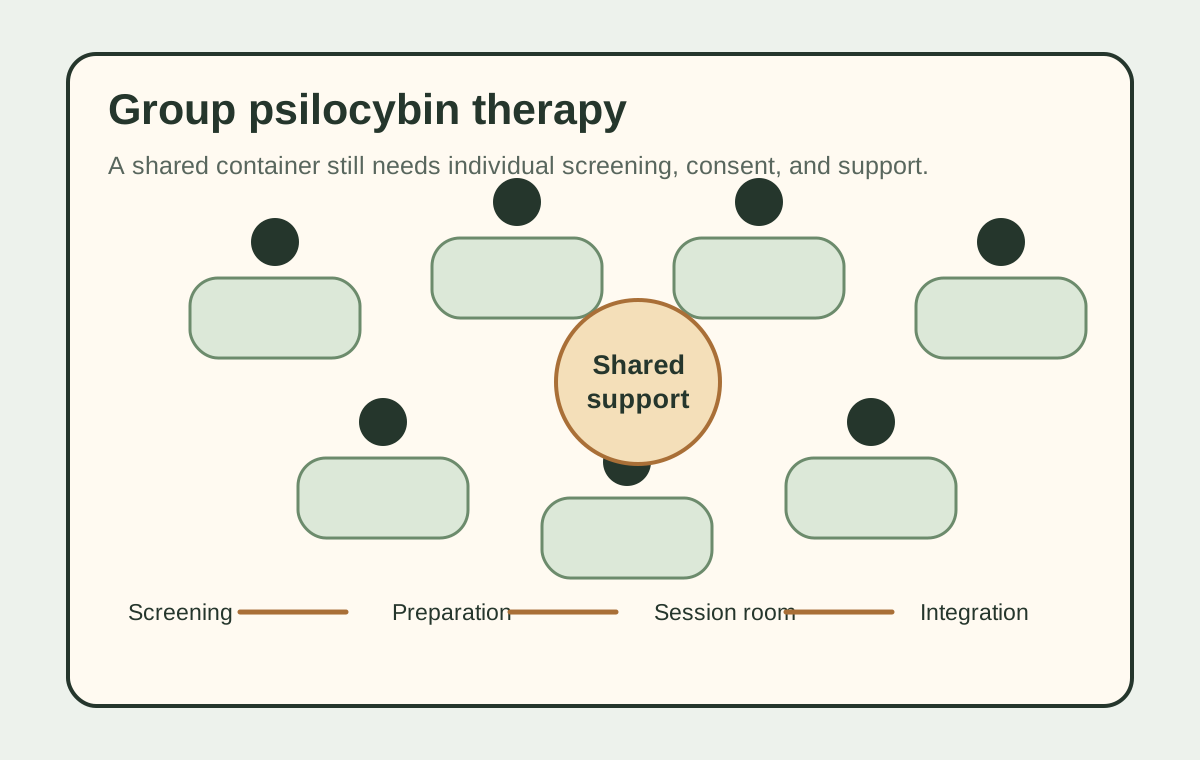
Most people think of psilocybin therapy as a one-on-one experience: one participant, one facilitator, one session room. But group formats are growing rapidly — both in clinical research and in Oregon's regulated service center ecosystem. Understanding when group therapy is appropriate and what to expect can help you make a better decision for your situation.
Why Group Formats Are Growing
Cost: Individual psilocybin sessions at licensed Oregon service centers typically cost $1,000–$3,000 when facilitator time is included. Group sessions, where 4–8 participants share a facilitator's time, often cost $400–$900 per person — a meaningful difference for conditions that may require multiple sessions.
Access: The trained facilitator workforce is small. Group formats multiply the number of people a single facilitator can serve, making legal psilocybin therapy more accessible.
Clinical evidence: Emerging research suggests the shared experience itself may be therapeutic — particularly for conditions characterized by isolation, disconnection, or shame. Knowing that others are simultaneously going through the same profound experience reduces anxiety and may amplify the sense of shared humanity that many people identify as the most healing element.
What a Group Session Looks Like
Oregon group sessions vary by center, but a typical format:
- 4–8 participants arrive together, often after one or two preparation group sessions
- The session room has separate mats, pillows, blankets for each participant
- Participants dose simultaneously or in a close window
- Eye masks and headphones are provided; participants turn inward
- 1–2 facilitators move quietly between participants throughout the 5–6 hour session
- Post-session sharing circle: 60–120 minutes where participants share their experience with each other
- Individual integration session scheduled within the following week
When Group Is Well-Suited
- General wellness and personal growth at moderate doses
- Conditions with a relational component (social isolation, depression related to disconnection, addiction where community is part of recovery)
- Participants who have some prior psilocybin experience and understand what to expect
- Budget-constrained situations where group pricing makes access possible
When Individual Is Better
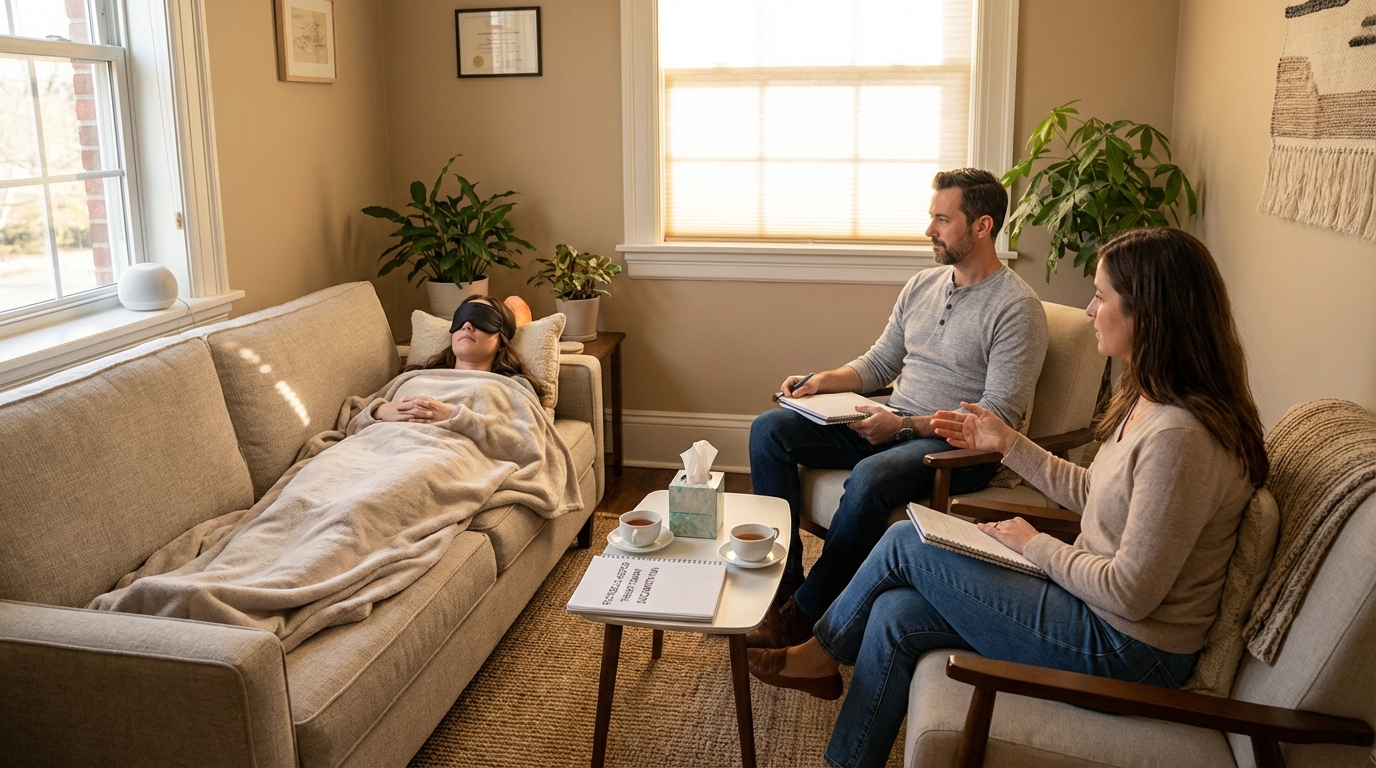
- Working with severe trauma, PTSD, or highly sensitive personal history
- First experience at high doses
- Anyone who would be distracted by or anxious about shared space
- Situations where full facilitator attention is clinically necessary
Questions to Ask When Evaluating a Group Session
- What is the facilitator-to-participant ratio? (1:4 or better is preferable)
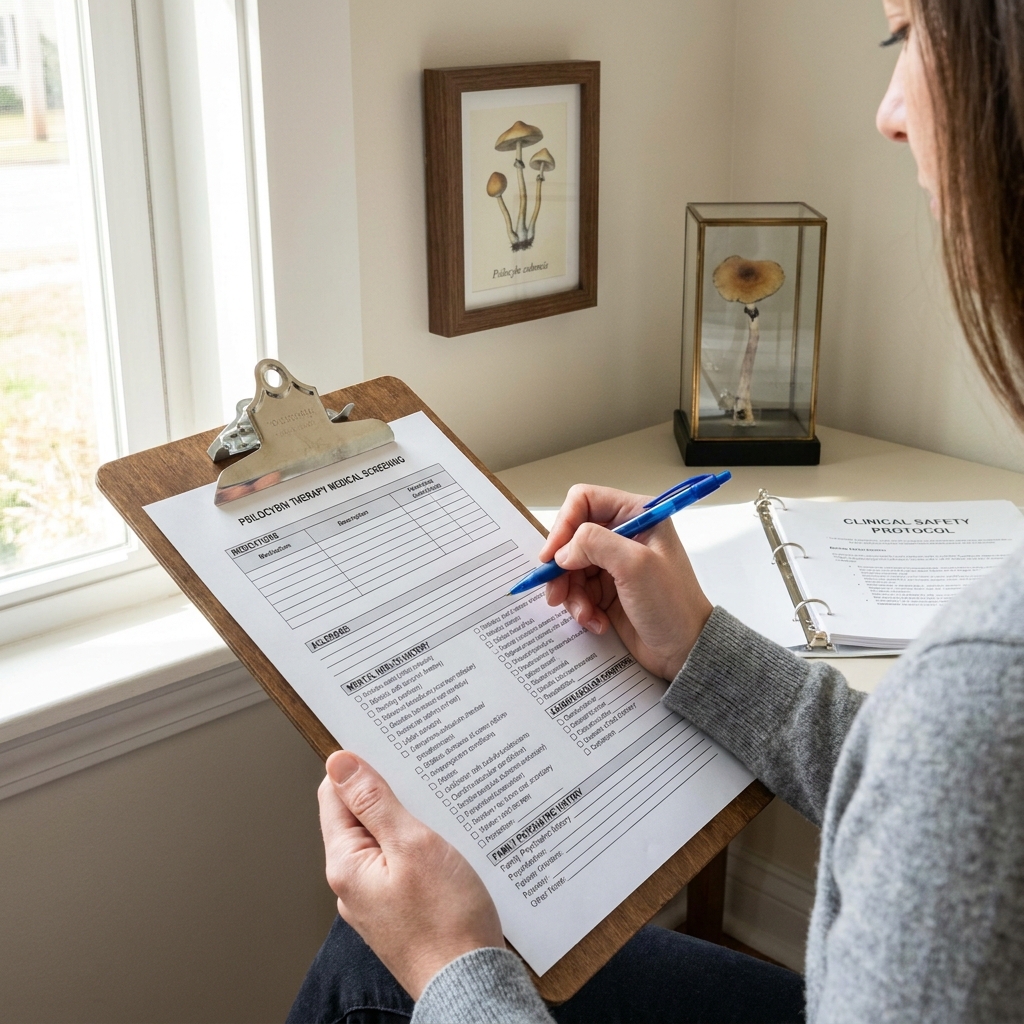
- How are participants vetted for compatibility?
- What is the integration structure — group only, individual only, or both?
- What experience is required — can first-timers participate?
- What is the cancellation and refund policy?