
Psilocybin vs. Ketamine for Depression: A Clinical Comparison
Two compounds have emerged as the most evidence-supported psychedelic-adjacent treatments for depression: ketamine (FDA-approved as esketamine/Spravato in 2019) and psilocybin (Phase 2/3 trials ongoing). They work differently, produce different experiences, have very different access profiles, and are suited to different patient populations. Here's a data-driven comparison.
Mechanism of Action
Ketamine: NMDA receptor antagonist. Rapidly increases glutamate activity, which triggers BDNF release and rapid synaptogenesis (new synaptic connections). The antidepressant effect appears within hours — making it useful for acute suicidality. The mechanism is primarily biological; the subjective experience (dissociative, often disorienting) is considered a side effect rather than a therapeutic mechanism.
Psilocybin: Serotonin 2A agonist. Disrupts the default mode network, promotes serotonin receptor plasticity, and triggers BDNF over a longer timescale. The mechanism is partly biological and partly experiential — the therapeutic effect is correlated with the quality and depth of the subjective psychedelic experience itself. A profound mystical experience predicts better outcomes.
Onset and Duration of Effect
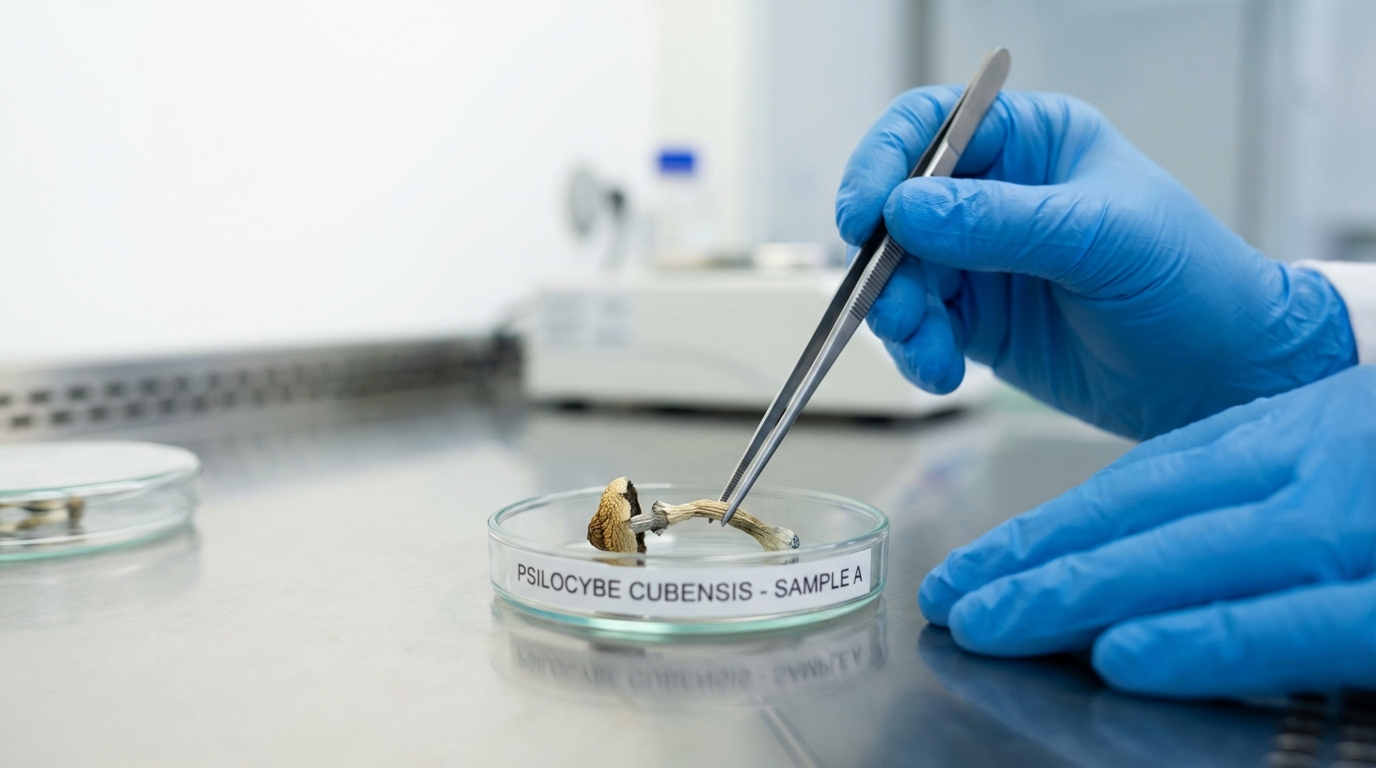
Ketamine: Effects begin within 1–2 hours. Antidepressant effects can last days to weeks per infusion. Standard protocol: 6 infusions over 2–3 weeks (IV) or twice-weekly intranasal doses. Maintenance infusions typically required to sustain remission.
Psilocybin: Effects from clinical sessions can last months to years after 1–2 sessions. Hopkins TRD trial: 71% showed response and 54% showed remission after two sessions; many maintained response at 12 months. The evidence for durable long-term effect is stronger for psilocybin, though the absolute sample sizes are still small.
Access
Ketamine: FDA-approved (esketamine) for treatment-resistant depression. Covered by some insurance. Available at ketamine clinics in most US states. IV ketamine is off-label but widely available. Accessible without enrollment in a research trial.
Psilocybin: Not FDA-approved as of 2026. Access routes: (1) Oregon licensed service centers (expensive, not covered by insurance), (2) Clinical trials (free but highly selective), (3) Colorado's program (developing). Access remains limited compared to ketamine.
The Experience
Ketamine: Dissociative — feeling of disconnection from body and environment. Often described as floating or depersonalization. Some find it pleasant; others find it disorienting or unpleasant. The experience is usually 45–60 minutes per session (IV). Not considered inherently therapeutic in itself.
Psilocybin: Psychedelic — perceptual alterations, emotional amplification, altered sense of time and self. Sessions last 4–6 hours. The experience includes confronting emotional material directly. For those who are prepared, the experience is often described as one of the most meaningful of their lives. For those who are not prepared, it can be frightening.
Patient Suitability
More suited to ketamine:
- Acute depression with suicidality (fast onset critical)
- Patients who cannot tolerate 4–6 hour psychedelic sessions
- Those with no capacity for or interest in psychological work
- Very elderly or medically fragile patients
More suited to psilocybin:
- Patients who want to work psychologically with the depression
- Those who have had limited benefit from conventional medications
- Patients motivated by the transformative potential of the experience
- Addiction comorbidity (psilocybin shows broader spectrum benefit)

Risks
Ketamine: Dissociative effects can be destabilizing for some. Abuse potential exists (ketamine is a Schedule III controlled substance with misuse history). Bladder toxicity with heavy recreational use (less relevant at clinical doses). Blood pressure elevation requires monitoring.
Psilocybin: Acute psychological risk during session (difficult experiences, anxiety). Contraindicated with personal/family history of psychosis. No physiological toxicity at clinical doses. Very low abuse potential.
Bottom Line
For immediate crisis: ketamine's rapid onset is often critical and irreplaceable. For durable long-term change with fewer maintenance doses required: psilocybin's evidence is promising, though access remains the major barrier. The two are not substitutes for each other — they address overlapping but different needs.