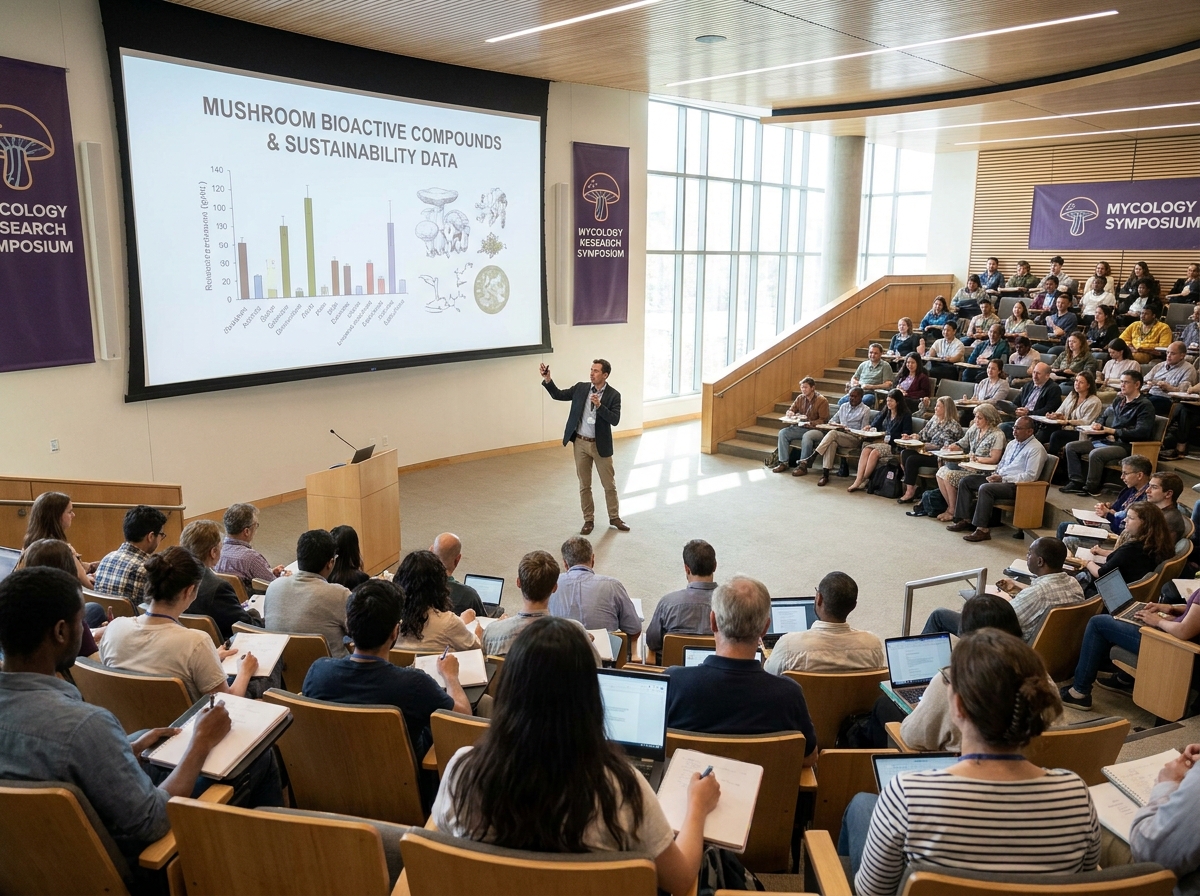
Psilocybin Facilitator Training Programs in 2026: What to Know
Oregon has created the world's first regulated psilocybin facilitator training ecosystem. Colorado's program is developing. If you're considering becoming a facilitator — or want to evaluate the quality of a facilitator you're working with — here's what the training landscape looks like in 2026.
Oregon's OHA-Approved Programs
The Oregon Health Authority (OHA) requires facilitators to complete an approved training program of a minimum 160 hours before sitting for the licensing exam. As of 2026, approximately 20 OHA-approved training programs are active.
Training curriculum requirements (per OHA):
- Psilocybin pharmacology and physiology
- Psychology of altered states
- Trauma-informed care
- Cultural humility and ethics
- Harm reduction
- Client intake and screening
- Session facilitation practicum (supervised hours with real clients or simulation)
- Legal and regulatory requirements
Current notable programs:
- InnerTrek (Portland): One of the first OHA-approved programs; residential intensive format
- Somatics & Psychedelics (Portland): Emphasis on somatic approach to facilitation
- Fluence: National training organization offering OHA-approved curriculum in Oregon
- Embody: Integrates contemplative tradition training with clinical facilitation skills
Cost and Time Commitment
Oregon training programs typically cost $6,000–$12,000 for the full 160-hour curriculum. Most programs run over 6–12 months in a combination of weekend intensives and independent study.
After training, facilitators must:
- Pass the OHA licensing exam
- Complete a background check
- Pay annual licensing fees
Total time from beginning training to first licensed client: approximately 12–18 months.
Colorado's Training Landscape
Colorado's program under Proposition 122 is developing its facilitator training standards through DORA (Department of Regulatory Agencies). Requirements are still being finalized as of early 2026, but are expected to include:
- Minimum 150 hours of training
- Supervised facilitation hours
- Background check and licensing exam
- Annual continuing education requirements
Colorado's broader scope (covering psilocybin, ibogaine, DMT, and mescaline) may produce somewhat different training curricula than Oregon's psilocybin-only program.

What to Look for in a Training Program
If you're evaluating training programs, key quality indicators:
State approval: OHA or DORA approval means the curriculum has met regulatory standards. Unapproved programs may still offer valuable education but don't lead to licensure.
Supervised practicum: Classroom knowledge is not sufficient for facilitation. Programs should include direct supervised experience with participants.
Trauma-informed foundation: Facilitators working with mental health conditions need genuine trauma training, not just familiarity with the concept.
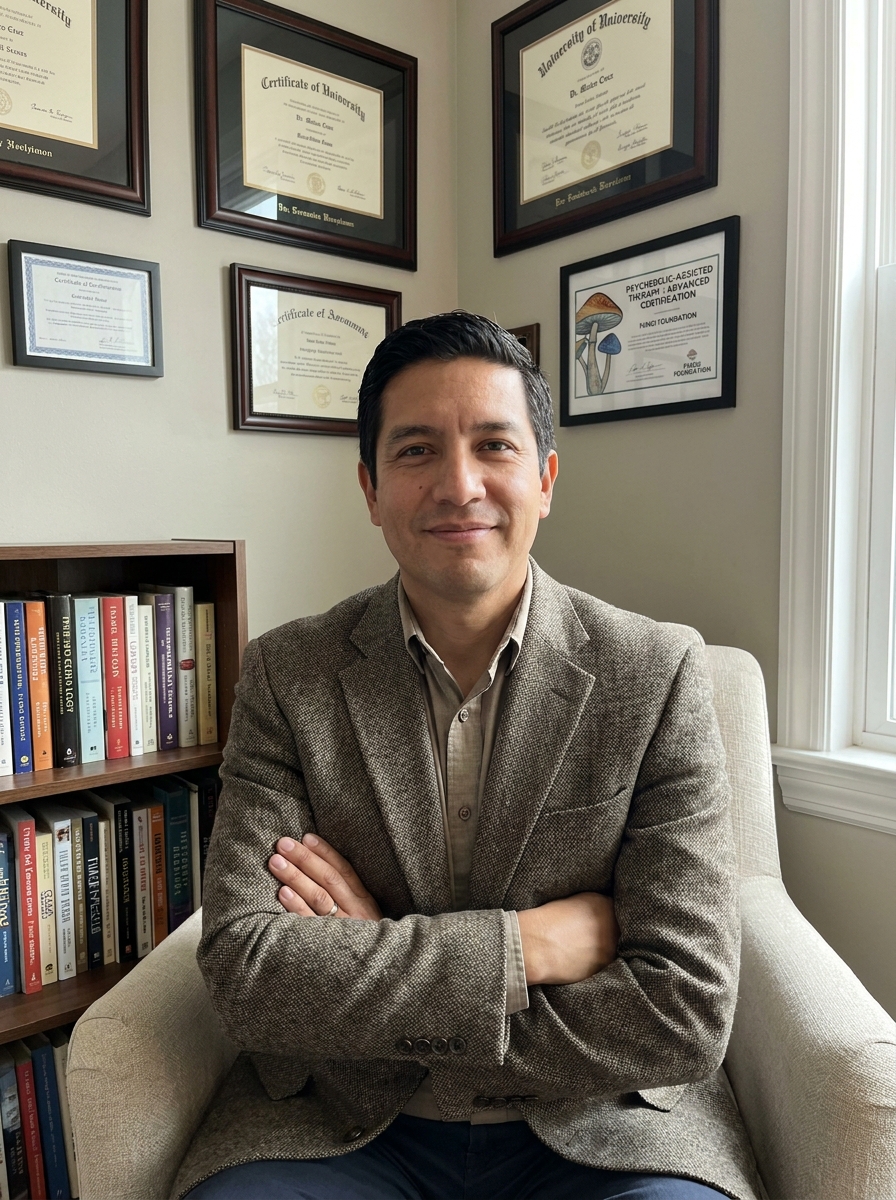
Instructor backgrounds: Look for instructors with licensed mental health backgrounds (LCSW, MFT, MD/DO, PhD in psychology) combined with psilocybin-specific training.
Alumni outcomes: Talk to program graduates. Are they working as facilitators? Did the training prepare them for real sessions?
Is Facilitator Training Right for You?
The growing facilitator workforce is meeting genuine demand. But facilitation is a clinical skill that requires:
- A capacity to sit with difficult human experiences without rescuing or fleeing
- Emotional maturity and personal psychological stability
- Genuine interest in others' wellbeing
- Commitment to ongoing learning and supervision
Most experienced facilitators recommend completing your own psilocybin therapy work before facilitating for others. The personal experience of being a client is not merely helpful — it's considered essential by most practitioners and training programs.