
Self-Tracking Your Microdose: What to Measure and How
Microdosing without tracking is like taking medication without monitoring its effects. Self-tracking is essential for distinguishing real effects from placebo, identifying your optimal dose and schedule, and making evidence-based decisions about continuing, adjusting, or stopping your protocol. This guide provides a systematic approach.
Why Tracking Matters
Microdosing research (including Szigeti et al. 2021 at Imperial College London) has found that a significant portion of self-reported microdosing benefits may be attributable to expectancy effects — people feel better partly because they believe the substance is working. Tracking with structured tools helps you identify which effects are real.
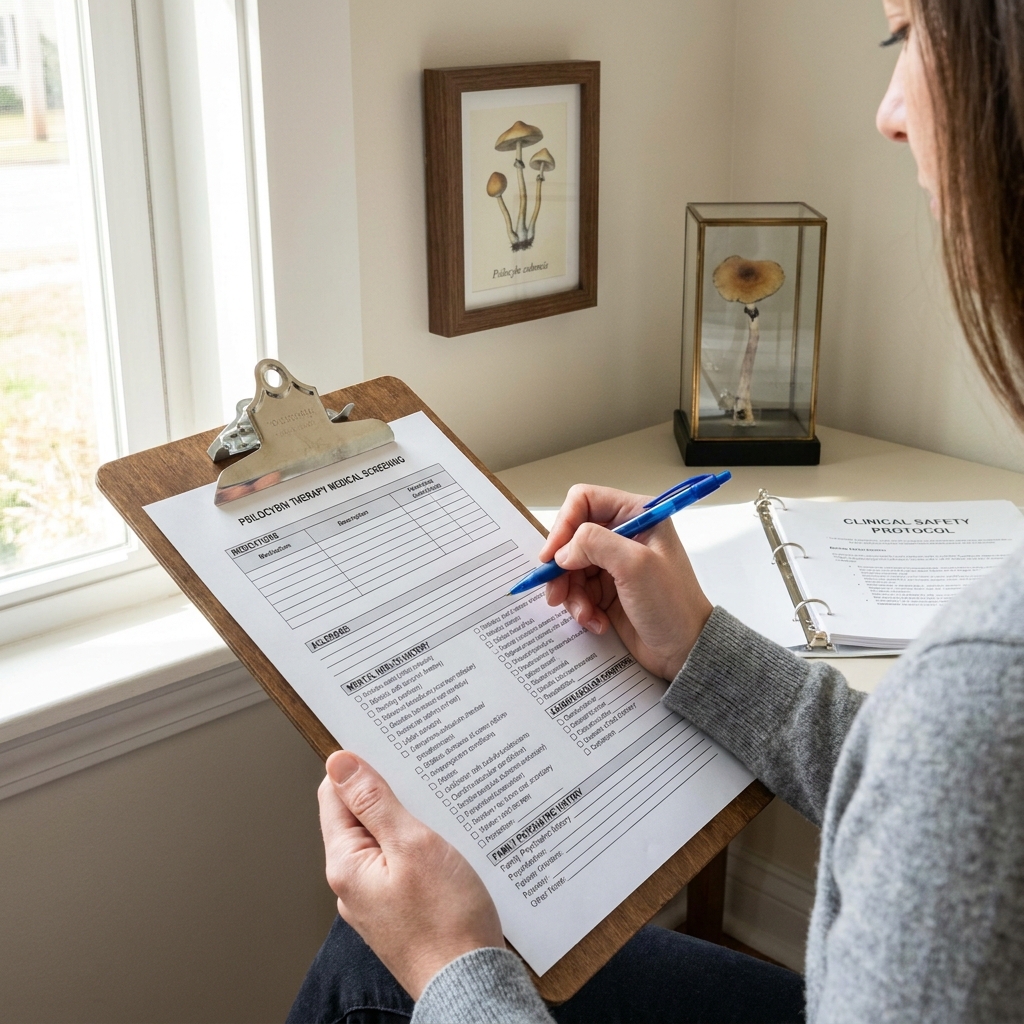
What to Track
Daily measures (takes 2-3 minutes):
- Mood (1-10 scale): Overall emotional tone for the day. Keep the same consistent framing — "how do you feel overall" at a consistent time of day.
- Energy (1-10 scale): Physical and mental energy, capacity for sustained effort.
- Focus / cognitive function (1-10 scale): Ability to direct and maintain attention on tasks.
- Anxiety (1-10 scale): General anxiety level. This is particularly important because microdosing can increase anxiety in some people, particularly at higher doses or when combined with caffeine.
- Dose day? (yes/no): Mark whether it was a dose day.
- Notes (1-2 sentences): Anything notable — unusually good or bad day, specific experiences, external factors (poor sleep, stress, diet) that might explain score variation.
Weekly measures:
- Productivity: How much did you accomplish this week vs. typical?
- Social functioning: How were your interactions with others?
- Overall direction: Are you trending up, stable, or down?
Tracking Tools
Spreadsheet (Google Sheets or Excel): The most flexible option. Create columns for each metric and fill in daily. Can generate simple charts to visualize trends.
Bearable app: A general health tracking app with customizable symptom and mood tracking. Not microdosing-specific but highly adaptable.
Microdose.me app: Built specifically for microdosing self-tracking. Integrates with the Fadiman and Stamets protocols, generates reports, and connects to an anonymized research dataset.
Paper journal: Simple and effective. A small notebook with consistent daily structure is sufficient and has the advantage of being offline/private.

Distinguishing Real Effects from Placebo
The most rigorous approach used in research is the self-blinding protocol (Szigeti et al. 2021): alternate dose capsules and identical placebo capsules in a blind format so you don't know which days you're dosing. This requires:
- Preparing capsules in advance
- Having a trusted person arrange them without telling you the order
- Tracking as normal, then comparing dose days vs. placebo days
This is practical for home use and provides the most honest self-assessment of whether microdosing is actually working for you.
Without blinding, watch for these patterns that suggest real effects:
- Dose-day scores consistently higher than rest-day scores
- Changes that appeared after starting the protocol and would disappear if you stopped
- Effects that feel mechanistic and consistent rather than variable and expectation-driven
Signs that suggest placebo:
- Effects are present on all days equally (including rest days)
- Effects are most pronounced at the beginning of the protocol when novelty is highest
- Effects disappear when you know you forgot to dose
Sample Tracking Log
`
Date: 2026-05-12 | Dose Day: YES (0.12g)
Mood: 7/10
Energy: 8/10
Focus: 8/10
Anxiety: 3/10
Notes: Good productive morning. Afternoon slight distraction, may have had too much coffee.
Date: 2026-05-13 | Dose Day: NO Mood: 6/10 Energy: 6/10 Focus: 6/10 Anxiety: 4/10 Notes: Normal day. Nothing notable.
Date: 2026-05-14 | Dose Day: NO
Mood: 7/10
Energy: 7/10
Focus: 7/10
Anxiety: 3/10
Notes: Better day. Sleep was good last night.
`

When to Stop Tracking (and What It Tells You)
If you're not seeing consistent dose-day elevation: Consider whether the dose is too low, whether you need a full break before resuming, or whether microdosing isn't producing real effects for you.
If you're seeing consistent anxiety increase on dose days: This is important data — your dose may be too high, or this protocol may not be right for you.
After 8-12 weeks: Review your full data and honestly assess: is there a pattern of improvement? Is the effect size meaningful? Is continuing justified based on what the data shows, not what you hoped to see?
Red Flags to Stop Immediately
Stop and reassess if you notice:
- Increasing dose to maintain effect (tolerance without benefit)
- Mood instability between dose and non-dose days
- Any psychiatric symptoms worsening (especially with any psychosis history)
- Significant sleep disruption (particularly from afternoon dosing)
- Relationship or work problems you can attribute to the protocol