Psychedelic Safety Screening: Who Should and Shouldn't Use Psilocybin
Psilocybin has an excellent safety record at clinical doses — it is non-toxic, non-addictive, and produces no known organ damage. But it is not appropriate for everyone. A small subset of people carry risk factors that make psilocybin use potentia...
Psychedelic Safety Screening: Who Should and Shouldn't Use Psilocybin
Psilocybin has an excellent safety record at clinical doses — it is non-toxic, non-addictive, and produces no known organ damage. But it is not appropriate for everyone. A small subset of people carry risk factors that make psilocybin use potentially harmful. Understanding these risk factors — and the screening process designed to identify them — is essential for anyone considering psilocybin therapy.
Absolute Contraindications
These factors represent definitive medical or psychiatric contraindications where the risk of harm is well-established:
Personal history of psychosis: Anyone who has experienced a psychotic episode — including drug-induced psychosis, brief psychotic disorder, or any episode involving loss of reality testing — should not use psilocybin. The serotonin 2A agonism that produces the psychedelic state can trigger or exacerbate psychosis in vulnerable individuals. This risk is real and has been documented.
Schizophrenia or schizoaffective disorder: The same mechanism that underlies the risk with psychotic history applies with full diagnostic criteria for schizophrenia spectrum disorders. This is a hard exclusion in all reputable clinical programs.
First-degree family history of schizophrenia: Not an absolute exclusion in all programs, but a significant risk factor that requires careful evaluation. Family history of schizophrenia indicates elevated genetic vulnerability to psychosis. Most clinical protocols list this as a relative contraindication requiring additional screening.
Bipolar I disorder with manic episodes: The psychostimulatory nature of psychedelic states can trigger manic episodes in people with bipolar I. Bipolar II is a more nuanced situation and is handled differently by different research programs.
Current lithium use: The combination of psilocybin with lithium has been associated with cases of seizure. This is a serious interaction. Anyone on lithium should not use psilocybin without consulting with their prescribing physician, and most protocols exclude lithium users entirely.
Certain cardiovascular conditions: Psilocybin increases heart rate and blood pressure during the acute session. Uncontrolled hypertension, severe cardiovascular disease, and certain cardiac arrhythmias represent contraindications that require medical clearance.
Relative Contraindications and Risk Factors
These factors require careful evaluation but may not preclude psilocybin use with appropriate management:
SSRI or SNRI use: Chronic SSRI use downregulates 5-HT2A receptors, significantly blunting psilocybin response. Many clinical programs ask participants to taper SSRIs before treatment under medical supervision. Never discontinue antidepressants without medical guidance — abrupt SSRI discontinuation produces withdrawal effects and may destabilize mental health.
History of difficult or traumatic psychedelic experiences: Prior frightening experiences with psychedelics are not a contraindication per se, but require careful preparation and may indicate lower optimal doses. The nature and circumstances of prior difficult experiences inform the approach.
Pregnancy or breastfeeding: Research in pregnant populations is absent; the precautionary principle applies. Most programs exclude pregnant or breastfeeding individuals.
Active severe suicidality: Acute suicidality with intent is a contraindication for most outpatient psilocybin programs. The acute session itself carries a small risk of intensifying distress before the therapeutic benefit is realized. Stabilization should precede psychedelic work.
Severe personality disorders with unstable reality testing: Borderline personality disorder with dissociative features, and other conditions involving impaired reality testing, require careful evaluation. Experienced clinical assessment is essential.
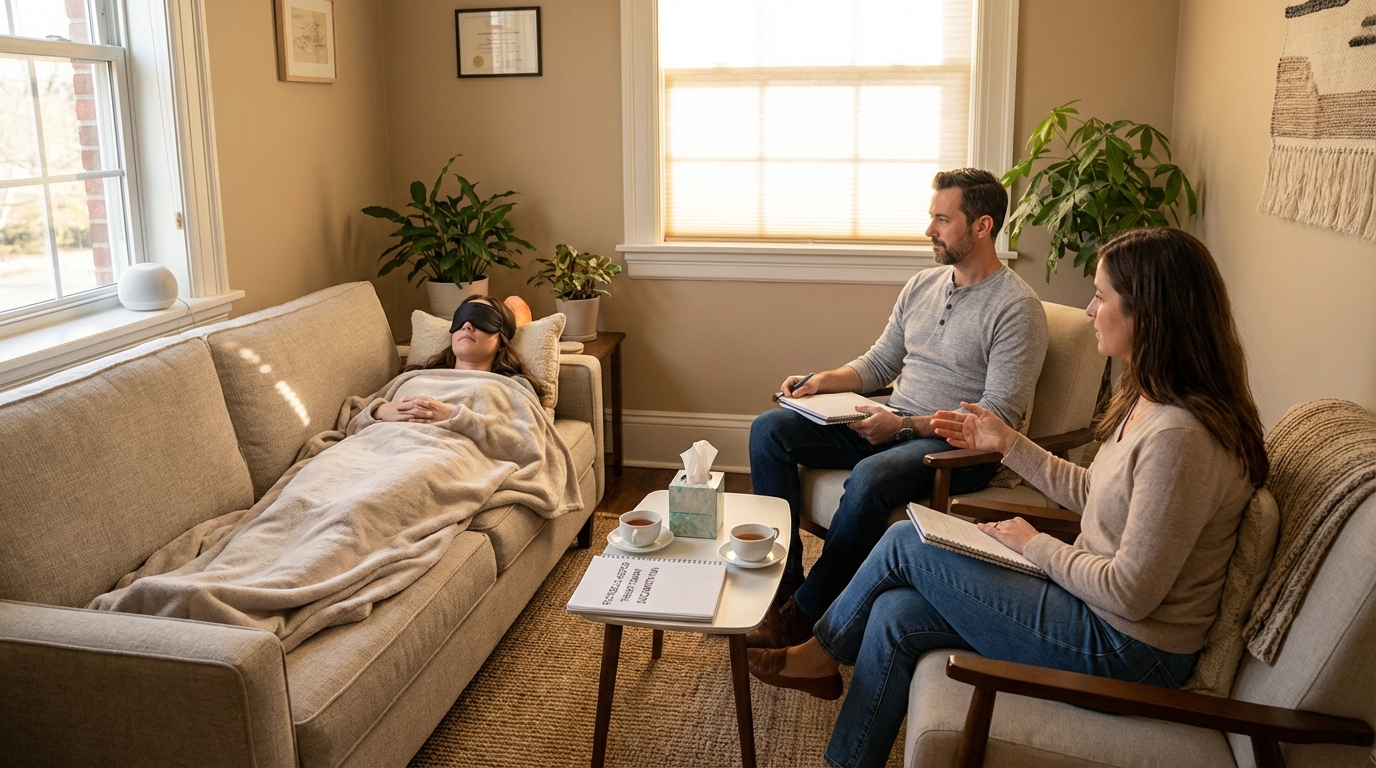
The Screening Process in Clinical Settings
Oregon service centers and research trials use structured intake screening, including:
- Clinical interview: Comprehensive mental health and medical history
- Psychiatric assessment: Current diagnostic status, current medications
- Cardiovascular assessment: Blood pressure, heart rate, relevant cardiac history
- Substance use history: Current and past use patterns
- Family psychiatric history: Particularly first-degree relatives with psychotic disorders
- Discussion of intentions and expectations: Assessing psychological readiness
The screening process is protective, not punitive. Exclusion from a specific program does not mean psilocybin will never be appropriate — it may mean the timing or setting is wrong.
Special Populations
Older adults (65+): Psilocybin has been used safely in older adult research populations. The disorientation of the acute experience may be more significant in older adults, and lower doses may be appropriate. End-of-life anxiety research has included older adults with good outcomes.
Adolescents: Adolescent brain development is ongoing. Psilocybin is not studied or recommended in people under 18 outside of exceptional research contexts.
People with intellectual disabilities: Consent and autonomy assessment is complex. This population has not been included in research trials.
The Bottom Line on Safety
Psilocybin's safety profile at clinical doses — for appropriately screened individuals — is excellent. No organ toxicity, no physiological dependence, very low abuse potential. The risks are primarily psychological: difficult experiences during sessions (manageable with preparation and support) and the rare triggering of psychosis in vulnerable individuals (preventable with proper screening).
The safety of psilocybin is not uniformly distributed. For the appropriately screened and supported person, it is among the safest pharmacological tools in psychiatry. For someone with undisclosed schizophrenia or on lithium, it is contraindicated. Screening exists to distinguish between these populations.