Drug Interactions
Evidence-based guide to psilocybin interactions with SSRIs, lithium, MAOIs, tramadol, and other common medications.
Psilocybin Drug Interactions
Medication review is one of the highest-value harm-reduction steps before any psilocybin session. Psilocybin acts mainly through serotonin 5-HT2A signaling after conversion to psilocin, so interactions can happen through serotonin systems, cardiovascular effects, metabolism, sedation, or psychiatric destabilization.
This page is educational harm reduction, not medical advice, and it does not tell you to stop or change medication. Do not taper SSRIs, lithium, antipsychotics, benzodiazepines, seizure medicines, blood pressure medicines, or any other prescription without the clinician who manages that medication.
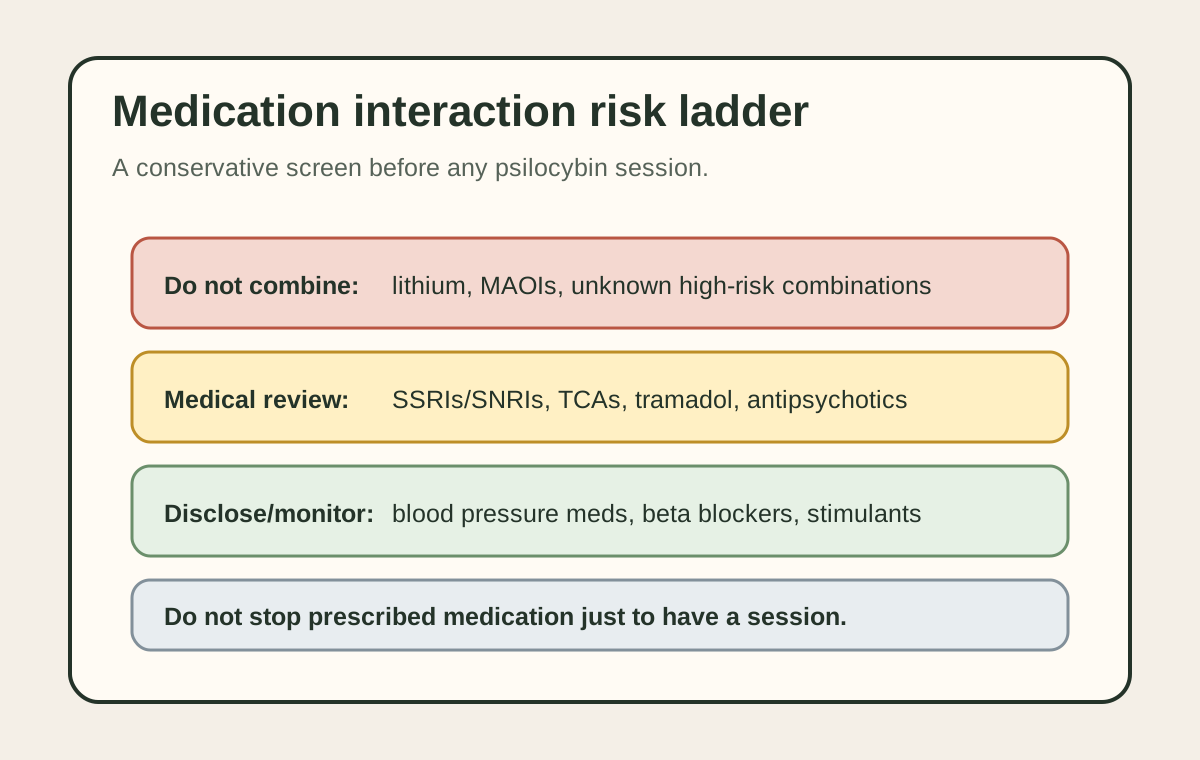
Fast Screen
Treat these as stop-or-review items before proceeding:
- Do not combine: lithium, MAOIs, unknown psychedelic blends, or unverified high-risk combinations.
- Medical review needed: SSRIs, SNRIs, TCAs, tramadol, antipsychotics, seizure medicines, cardiac medications, and complex psychiatric regimens.
- Avoid on session day: alcohol, cannabis/THC, stimulants, other psychedelics, and non-prescribed sedatives.
- Always disclose: prescriptions, over-the-counter drugs, supplements, recent medication changes, and substance use.
Highest-Risk Combinations
Lithium
Lithium plus classic psychedelics is a major red flag because case reports and online-report analyses have repeatedly linked the combination with seizures and severe adverse reactions. The evidence base is imperfect, but the signal is strong enough for conservative guidance: do not combine lithium and psilocybin.
Stopping lithium abruptly can also be dangerous. If a person is prescribed lithium, the harm-reduction answer is not "skip a dose." It is psychiatric consultation.
MAOIs
MAOIs reduce monoamine breakdown and can intensify or prolong psychedelic effects. Traditional irreversible MAOIs include phenelzine, tranylcypromine, and isocarboxazid. Reversible MAO-A inhibitors such as moclobemide may still change risk.
Do not combine MAOIs and psilocybin outside specialist supervision. Any washout question belongs with a physician or pharmacist who knows the specific medication, dose, and indication.
Tramadol and Other Serotonergic Drugs
Tramadol has serotonergic activity in addition to opioid effects. Combining multiple serotonergic agents can raise concern for serotonin toxicity, especially when dose, product identity, or other medications are uncertain.
Urgent signs that need medical attention can include high fever, severe agitation, confusion, tremor, muscle rigidity, clonus, diarrhea, and unstable blood pressure or heart rate.
Antidepressants
SSRIs and SNRIs
SSRIs and SNRIs can blunt psilocybin's subjective effects for some people. That does not make abrupt discontinuation safe. Stopping suddenly can cause discontinuation symptoms, rebound depression or anxiety, and loss of stability.
Practical guidance:
- Do not stop antidepressants just to make psilocybin stronger.
- If considering a taper for any reason, use the prescribing clinician's plan.
- Expect individual variability: some people feel little effect, some feel altered effects, and some still have strong experiences.
- Fluoxetine has a long half-life, so washout conversations are more complex than "wait a few days."
Tricyclics and Other Antidepressants
Tricyclic antidepressants, mirtazapine, trazodone, bupropion, and other antidepressants have different mechanisms. Some may change cardiovascular load, seizure threshold, sedation, or serotonergic tone. A pharmacist review is more useful than internet category matching.
Antipsychotics, Benzodiazepines, and Sedatives
Antipsychotics can reduce or block psychedelic effects and may be prescribed because a person has a condition that itself raises psychedelic risk. Do not stop antipsychotics for a session.
Benzodiazepines can reduce intensity and are sometimes used in clinical protocols as rescue medication. They can also interfere with the intended therapeutic process and carry dependence risks when used regularly. Use only as prescribed.
Alcohol and non-prescribed sedatives add impairment, reduce coordination, and make safety decisions harder.
Cardiovascular and Stimulant Concerns
Psilocybin commonly raises blood pressure and heart rate for part of the session. That matters if a person has uncontrolled hypertension, arrhythmia, coronary artery disease, stroke history, or stimulant use.
- People on blood pressure or heart medications should disclose them and ask whether session-day monitoring is appropriate.
- Stimulants such as amphetamine, methylphenidate, modafinil, cocaine, and high-dose caffeine can increase anxiety and cardiovascular load.
- Chest pain, severe shortness of breath, fainting, signs of stroke, or extreme blood pressure symptoms are emergency signs.
Cannabis and Alcohol
Cannabis is one of the most common reasons an otherwise manageable session becomes chaotic. THC can intensify visuals, body load, paranoia, time distortion, and panic. Avoid it before and during psilocybin sessions unless a qualified clinician has a specific reason to advise otherwise.
Alcohol blunts judgment and coordination, complicates nausea and dehydration, and weakens integration. Avoid it before and during sessions.
What to Bring to a Clinician or Pharmacist
Before asking for advice, make a plain list:
- Drug name, dose, and how often you take it.
- Why it was prescribed.
- How long you have been stable on it.
- Recent dose changes.
- Supplements and non-prescribed substances.
- Cardiac, seizure, psychosis, bipolar, and suicide-risk history.
The goal is not to persuade a clinician to approve psilocybin. The goal is to identify avoidable risk.
Source Links
- Drug-drug interactions involving classic psychedelics: systematic review
- Acute adverse effects of therapeutic doses of psilocybin: systematic review and meta-analysis
- Fireside Project Psychedelic Support Line