Medical Safety Profile
**Cardiovascular effects.** Psilocybin produces modest, transient increases in heart rate and blood pressure, typically peaking 1-2 hours after ingestion and returning to baseline as the experience resolves. In healthy individuals, these changes a...
The Safety Profile of Psilocybin: Medical and Psychological Risks
Psilocybin occupies an unusual position in the landscape of psychoactive substances: it is federally classified as having no accepted medical use and high abuse potential, yet its pharmacological safety profile — when examined objectively — is among the most favorable of any psychoactive compound. Understanding what the actual evidence says about psilocybin's risks is essential for anyone considering participation in a clinical trial, making an informed harm-reduction decision, or evaluating policy claims.
This page covers the medical and psychological risk evidence. It is not a declaration that psilocybin is "safe" without qualification — context, individual factors, and setting profoundly affect outcomes.
Medical Safety Profile
Cardiovascular effects. Psilocybin produces modest, transient increases in heart rate and blood pressure, typically peaking 1-2 hours after ingestion and returning to baseline as the experience resolves. In healthy individuals, these changes are clinically insignificant. In people with pre-existing cardiovascular disease, hypertension, or arrhythmias, they warrant consideration. Clinical protocols routinely exclude individuals with significant cardiovascular conditions as a precaution.
Lethality. No confirmed human death from psilocybin toxicity alone has been documented in the medical literature. Animal studies suggest an extraordinarily wide therapeutic index — the dose required to produce toxicity is many times the dose that produces psychedelic effects. For comparison, acetaminophen (Tylenol), available over-the-counter without restriction, has a far narrower margin between therapeutic and toxic doses.
Drug interactions. Several drug interactions carry clinical significance:
- SSRIs and SNRIs: Chronic SSRI use blunts psilocybin's effects through 5-HT2A receptor downregulation. This does not appear to create a dangerous interaction but does reduce therapeutic efficacy. Some protocols recommend tapering SSRIs prior to psilocybin sessions, which carries its own risks and should only be done under physician supervision.
- MAOIs: Monoamine oxidase inhibitors amplify and extend psilocybin's effects significantly. Combining them is not reliably dangerous at standard doses but produces unpredictable prolonged experiences. Avoid without careful medical supervision.
- Lithium: Case reports document seizures when lithium and serotonergic psychedelics are combined. This combination should be considered contraindicated.
- Tramadol: Serotonin syndrome risk when combined with serotonergic substances. Caution warranted.
Psychological Risks
Acute psychological distress. The most common adverse event in psilocybin research is transient anxiety, panic, or fear during the experience. Rates in research settings are substantially lower than in uncontrolled contexts because of screening, preparation, and sitter support. In naturalistic studies (such as those based on festival surveys), psychological distress rates are higher. This underscores the importance of set and setting.
Psychosis and decompensation. Psilocybin can precipitate or exacerbate psychotic symptoms in vulnerable individuals. People with personal or family history of schizophrenia, schizoaffective disorder, or bipolar I disorder are at meaningfully elevated risk of adverse psychological outcomes. All clinical trials screen out these individuals as a categorical exclusion. This is among the most important safety considerations in psychedelic medicine.
Hallucinogen Persisting Perception Disorder (HPPD). HPPD involves persistent visual disturbances following hallucinogen use — visual snow, tracers, afterimages — that continue after the drug has cleared. True HPPD (as opposed to brief post-experience perceptual novelties) is rare, with prevalence estimates ranging from under 1% to 4% depending on methodology. It is more commonly reported following LSD use than psilocybin. Most cases resolve over months; a small number persist long-term.
Prolonged difficult experiences. A small percentage of participants in psilocybin research report persistent psychological difficulties following sessions — anxiety, emotional instability, difficulty re-engaging with work or relationships — lasting days to weeks. These are not permanent in the research literature but underscore the importance of qualified integration support following sessions.
Contraindications
Based on current clinical evidence, the following represent contraindications or significant caution flags:
- Personal history of psychosis, schizophrenia, or schizoaffective disorder
- First-degree family history of schizophrenia or bipolar I disorder
- Personal history of bipolar I disorder
- Active suicidal ideation with a plan or intent (paradoxically, passive suicidal ideation in depression is a primary treatment target — clinical judgment required)
- Significant cardiovascular disease, uncontrolled hypertension, or arrhythmia
- History of seizure disorder
- Current lithium therapy
- Pregnancy or breastfeeding (safety data absent)
Relative Safety Compared to Other Substances
The Global Drug Survey, which collects annual data from tens of thousands of drug users in multiple countries, consistently ranks psilocybin mushrooms as the substance least likely to require emergency medical treatment per 10,000 user sessions. In 2017 data, 0.2% of psilocybin users sought emergency care — compared to 1.0% for MDMA, 1.1% for LSD, 0.6% for cannabis, and 4.8% for methamphetamine.
This does not mean psilocybin is without risk; it means its absolute risk of medical emergency is low relative to most comparison substances. The primary risks are psychological, not physiological.
Clinical vs. Recreational Safety
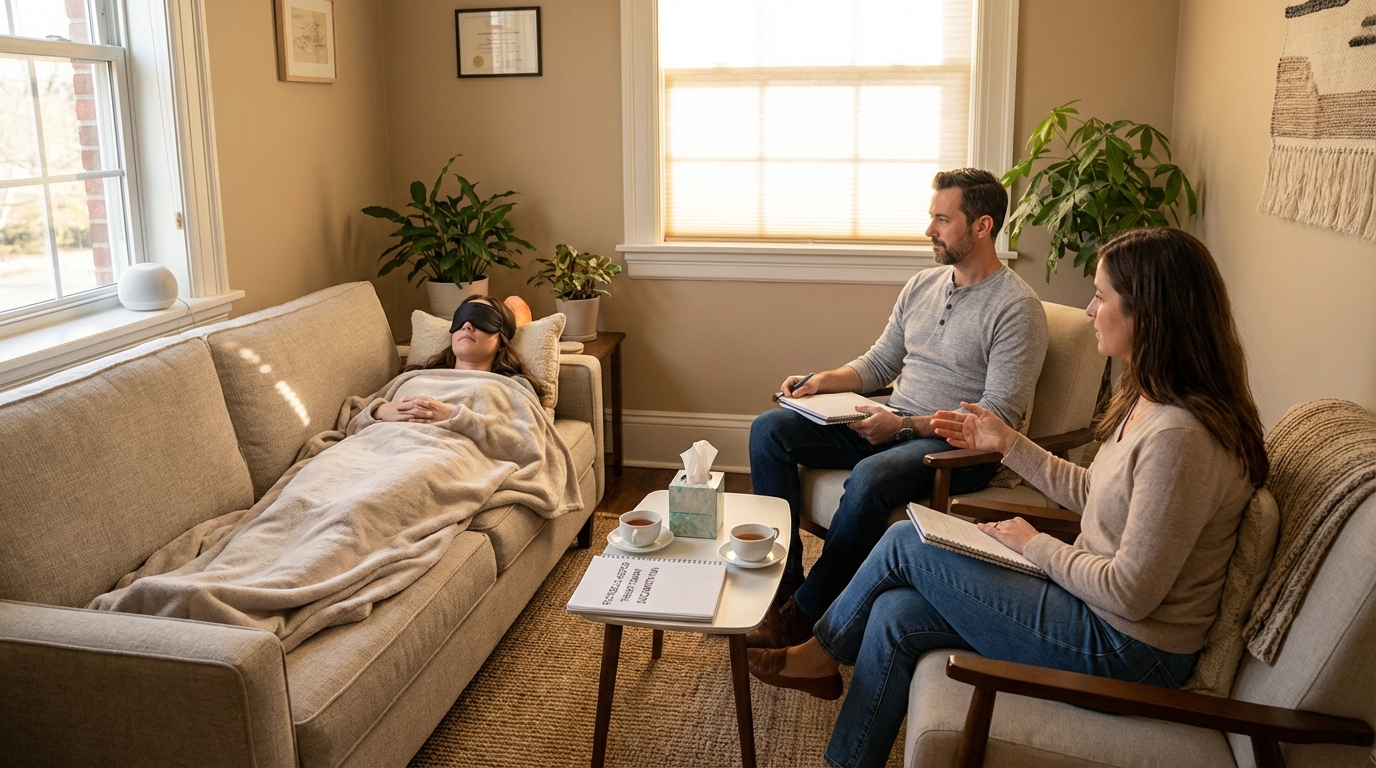
The safety differential between clinical and unsupervised recreational contexts is substantial. Clinical psilocybin research involves:
- Rigorous screening to exclude contraindicated individuals
- Standardized preparation across multiple sessions
- Trained guides present throughout the experience
- Structured integration support following sessions
- Medical oversight and emergency protocols
These elements collectively reduce adverse outcome rates significantly. People considering psilocybin for therapeutic purposes should seek clinical trial participation where possible, both for safety and because the research is needed.
Using This Information
The safety data on psilocybin is genuinely encouraging relative to the substance's Schedule I classification. It should not be interpreted as a declaration that psilocybin is safe for everyone, in any context, at any dose. Individual medical history, psychological vulnerability, drug interactions, set, setting, and dose are all significant variables. Informed decision-making requires engaging honestly with both the favorable safety data and the real, documented risks.