Psilocybin for Lyme Disease and Chronic Illness
Chronic Lyme disease — technically, post-treatment Lyme disease syndrome (PTLDS) — affects an estimated 10-20% of people who have been treated for Lyme disease. Symptoms including fatigue, pain, cognitive impairment, and mood disturbance persist f...
Psilocybin for Lyme Disease and Chronic Illness
Chronic Lyme disease — technically, post-treatment Lyme disease syndrome (PTLDS) — affects an estimated 10-20% of people who have been treated for Lyme disease. Symptoms including fatigue, pain, cognitive impairment, and mood disturbance persist for months to years after antibiotic treatment, with conventional medicine offering limited solutions.
A growing body of patient reports suggests that psilocybin may help manage some aspects of PTLDS and other chronic illness conditions. This article examines what those reports describe, what biological mechanisms might explain the effects, and what the evidence base actually supports.
What Patients Report
Among chronic Lyme patients who have used psilocybin, common reports include:
Pain reduction: The most consistently reported effect. Multiple patients describe significant reductions in chronic pain lasting days to weeks after sessions. Some report longer-lasting improvement.
Cognitive clarity: Many PTLDS patients experience "brain fog" — difficulty concentrating, word-finding problems, memory impairment. A subset of psilocybin users with PTLDS report improved cognitive clarity in the weeks after sessions.
Mood and emotional regulation: Depression and anxiety are extremely prevalent in PTLDS and in chronic illness generally. Psilocybin's evidence for both is relatively strong.
Fatigue: Some reports of reduced fatigue, though this is among the less consistently reported effects and may relate primarily to mood effects rather than direct effects on fatigue mechanisms.
Sleep: Improved sleep quality is frequently mentioned, which may account for some other reported improvements.
Potential Mechanisms
No clinical research has specifically examined psilocybin for PTLDS. The mechanisms below are speculative extrapolations from general psilocybin research.
Anti-Inflammatory Effects
Psilocybin has demonstrated anti-inflammatory properties in preclinical research. 5-HT2A agonism reduces inflammatory signaling in brain microglia (immune cells). PTLDS involves persistent neuroinflammation in a significant subset of patients.
If psilocybin reduces neuroinflammatory activity, this could theoretically address multiple PTLDS symptoms simultaneously — pain, brain fog, mood disturbance.
This is a plausible mechanism but entirely untested in PTLDS specifically.
Neuroplasticity
Psilocybin promotes neuroplasticity through BDNF upregulation and other mechanisms. Persistent Lyme disease can cause neurological changes associated with reduced plasticity — the brain's ability to form new connections and adapt. Restored plasticity could theoretically support recovery.
Default Mode Network
Chronic pain conditions, including PTLDS-associated pain, involve altered default mode network function — particularly the central sensitization patterns that amplify pain signals. Psilocybin's DMN suppression might disrupt these patterns. This is consistent with reports from other chronic pain populations.
Psychological Effects
Chronic illness is profoundly psychologically challenging. PTLDS patients frequently experience depression, demoralization, grief for the life they had before illness, and the trauma of being disbelieved by medical providers. Psilocybin's documented effects on existential distress, grief, and treatment-resistant depression could address these components directly.
Post-COVID Syndrome (Long COVID) Overlap
Long COVID — the post-infection syndrome following COVID-19 — produces symptoms strikingly similar to PTLDS: fatigue, brain fog, pain, cognitive impairment, mood disturbance. Many Long COVID researchers have hypothesized similar mechanisms (persistent immune activation, microglial involvement).
Patient reports from Long COVID communities parallel those from PTLDS communities: some individuals report significant improvement in cognitive and emotional symptoms following psilocybin, though rigorous research is absent.
The two conditions likely share enough mechanistic overlap that findings in one will inform the other.
Other Chronic Conditions With Emerging Reports
Similar patterns of anecdotal reports — with consistent themes of pain reduction, mood improvement, and cognitive benefits — appear across several chronic conditions:
- Fibromyalgia: See the psilocybin and fibromyalgia guide on this site
- Chronic fatigue syndrome (ME/CFS): Reports parallel PTLDS closely, though variable
- Lupus and autoimmune conditions: Limited but emerging case reports
- Ehlers-Danlos syndrome (EDS): Patient community reports, largely anecdotal
Important Caveats
No clinical evidence: To be clear — there are no published clinical trials of psilocybin for PTLDS, Long COVID, or most other chronic illness conditions. The evidence is entirely from patient self-reports.
Chronic illness and mental health: Many chronic illness patients have elevated rates of depression and anxiety. Some apparent symptom improvements may primarily reflect mood benefits rather than direct effects on disease mechanisms.
Interactions with antibiotics and supplements: Chronic Lyme patients are often on complex medical regimens. Interactions between psilocybin and common antibiotics have not been studied. Anyone considering psilocybin should review all current medications with a healthcare provider.
Immunosuppressants: Some autoimmune patients take immunosuppressants. The safety profile of psilocybin in immunocompromised individuals is not established.
Symptom variability: PTLDS symptoms fluctuate significantly. Post-psilocybin improvements may in part reflect natural variation rather than treatment effects.
Practical Guidance for Chronic Illness Patients
If you have PTLDS, Long COVID, or another chronic illness and are considering psilocybin:
- Medical consultation is essential: Especially regarding current medications and any cardiac, neurological, or psychiatric comorbidities
- Start conservatively: The physical demands of a psilocybin session are significant. Fatigue and pain conditions may make the session itself physically challenging. A lower dose (1-2g) trial before higher doses is advisable.
- Plan for recovery time: The day after a session often involves fatigue. For those with chronic fatigue, this requires careful scheduling.
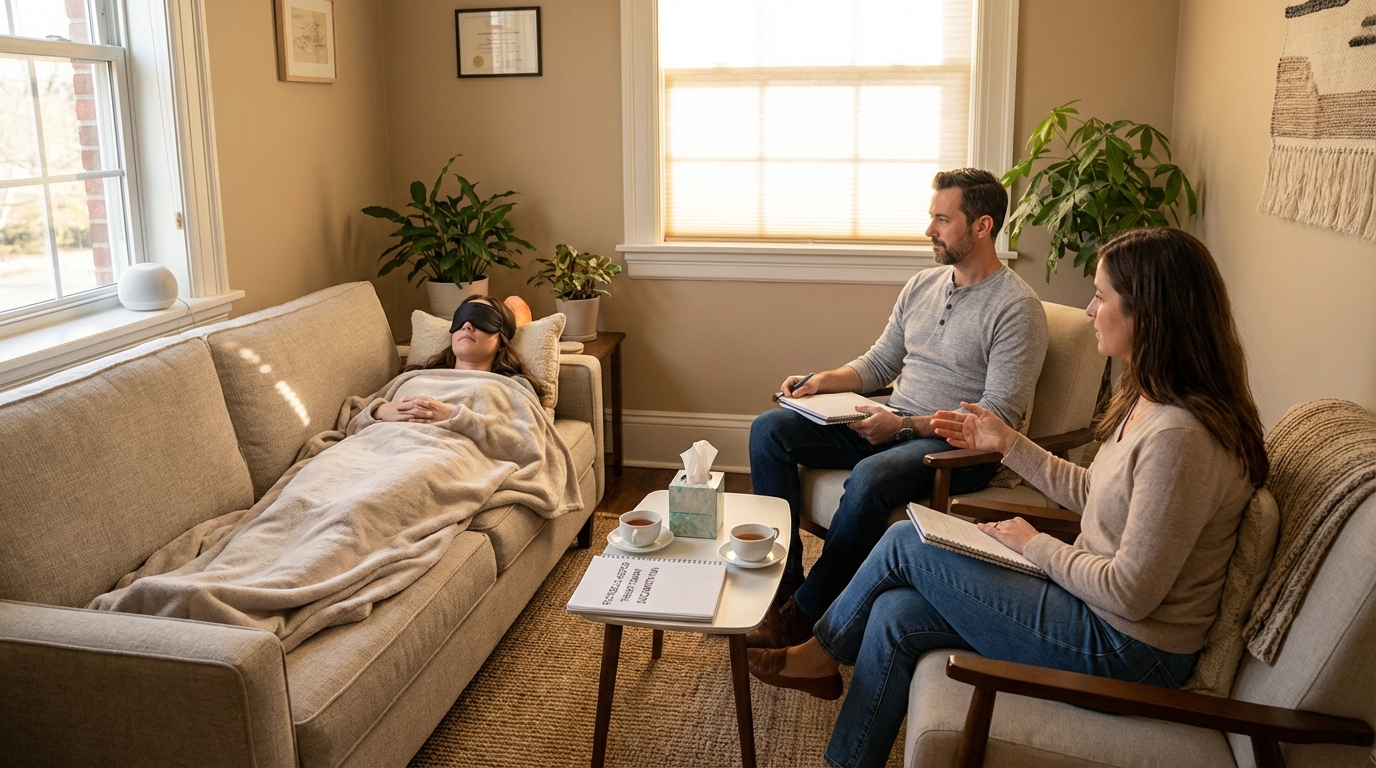
- Integration support: The most documented benefits of psilocybin come when sessions are combined with integration work. A therapist or integration coach familiar with chronic illness is valuable.
- Realistic expectations: Patient reports suggest potential benefit, not guaranteed improvement. The experiences vary widely. Approach with curiosity rather than desperation for a cure — that orientation, paradoxically, tends to produce better outcomes.
- Community: The Lyme and Long COVID communities have active subgroups discussing psilocybin experiences. These communities can provide peer support and practical guidance from others with direct experience.