Psilocybin Adverse Events: What Clinical Trials Show
Psilocybin has a favorable safety profile relative to most psychiatric medications and recreational substances. But 'favorable' does not mean 'risk-free.' Understanding what adverse events actually occur, how frequently, and in what contexts is es...
Psilocybin Adverse Events: What Clinical Trials Show
Psilocybin has a better acute safety profile than many people expect, but "safer than some alternatives" does not mean "safe for everyone." Clinical-trial safety depends on screening, controlled dosing, trained support, monitoring, and integration. Those protections are part of the intervention.
This page summarizes common and serious adverse events in cautious language. It is educational, not medical advice.
Bottom Line
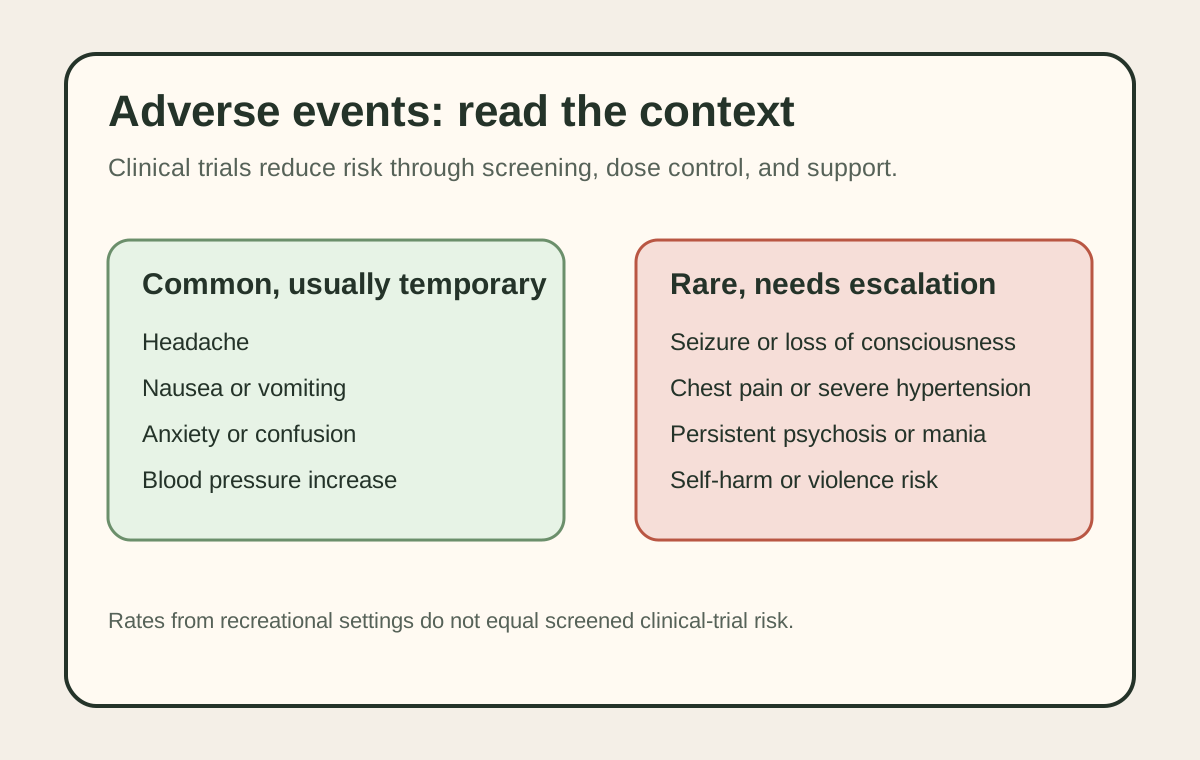
- Common acute effects include headache, nausea, anxiety, dizziness, confusion, and temporary blood pressure or heart-rate increases.
- In screened clinical trials, these events are usually temporary and mild to moderate.
- Serious events are uncommon in controlled trials, but risk rises when screening is absent, dose is uncertain, other substances are mixed in, or the setting is unsafe.
- People with psychosis vulnerability, bipolar I/mania risk, lithium use, MAOI use, uncontrolled hypertension, seizure disorders, or active suicidality need specialist review or should not proceed.
Why Clinical Trial Risk Looks Different
Clinical trials typically use:
- Medical and psychiatric exclusion criteria.
- Known dose and known substance identity.
- Preparation sessions.
- Trained monitors or therapists.
- Blood pressure and safety monitoring.
- Rescue protocols.
- Follow-up and integration support.
Recreational or underground use may lack all of those safeguards, so trial safety data should not be read as proof that any setting is safe.
Common Acute Adverse Events
A systematic review and meta-analysis of therapeutic-dose psilocybin trials found higher risk of several acute effects versus control, including headache, nausea, anxiety, dizziness, and elevated blood pressure. The review reported that the listed adverse events were not considered serious in the included trials.
Practically, that means these symptoms are expected enough to plan for:
- Headache: often session-day or next-day; hydration and rest matter.
- Nausea or vomiting: more common during onset; avoid unsafe positions if vomiting is possible.
- Anxiety or panic: often transient, but it can feel overwhelming without support.
- Confusion or paranoia: usually resolves as effects wear off; escalation is needed if safety cannot be maintained.
- Blood pressure and heart-rate increase: usually temporary, but important for people with cardiovascular risk.
Serious Events to Treat as Urgent
Call emergency services if there is:
- Seizure.
- Loss of consciousness or inability to be roused.
- Chest pain, severe shortness of breath, signs of stroke, or severe cardiovascular distress.
- Active self-harm or violence risk.
- Severe agitation that cannot be safely contained.
- Possible poisoning from unknown wild mushrooms.
For non-emergency distress during or after a psychedelic experience, Fireside Project lists phone/text peer support at 623-473-7433. It is not a replacement for emergency care.
Psychological Destabilization
Some people experience distress after the acute drug effects end. Warning signs include:
- Anxiety, depression, or panic that worsens rather than settles.
- Inability to sleep for multiple nights.
- Grandiosity, pressured speech, impulsive risk-taking, or possible mania.
- Paranoia, delusional thinking, or hallucinations after the expected drug window.
- Suicidal thoughts that intensify.
These signs deserve professional support. Do not frame them as "just integration."
HPPD and Persistent Visual Symptoms
Hallucinogen persisting perception disorder (HPPD) appears uncommon in controlled clinical settings, but persistent visual symptoms are reported in broader psychedelic use. Symptoms can include trails, halos, afterimages, visual snow, or geometric effects after the session is over.
Risk may be higher with frequent use, high doses, cannabis co-use, prior HPPD, and pre-existing visual or anxiety disorders. Persistent or distressing symptoms should be discussed with a clinician.
Risk Reducers
The strongest practical reducers are not exotic:
- Screen honestly.
- Avoid high-risk medication combinations.
- Use a known dose and known substance.
- Do not mix with alcohol, cannabis, stimulants, or other psychedelics.
- Have a sober sitter or trained support.
- Keep the environment physically safe.
- Plan integration and follow-up before the session.
- Postpone if you are in acute crisis or under pressure.
Source Links
- Acute adverse effects of therapeutic doses of psilocybin: systematic review and meta-analysis
- Adverse events in studies of classic psychedelics: systematic review and meta-analysis
- Drug-drug interactions involving classic psychedelics: systematic review
- Fireside Project Psychedelic Support Line